[Guest Post] How Damaging Sexual Scripts Allow Abuse of “Lucky Boys” to Thrive by Poly Lone Ranger

Today’s post by Poly Lone Ranger, AKA James Mosley II (he/him), is an important topic that isn’t talked about anywhere near enough. Heads-up that this one comes with a trigger warning for abuse, rape, and sexual violence. It also discusses sexual scripts and the limiting, gendered, and cisheteronormative societal ideals around sex, bodies, and consent.

Amy x

How Damaging Sexual Scripts Allow Abuse of “Lucky Boys” to Thrive by Poly Lone Ranger

It’s Friday night, and I’m lounging in my room with a beer, fully engrossed in the TV miniseries A Teacher (currently on Hulu). For those who haven’t seen it, the show stars Kate Mara as Claire Wilson, a newly appointed AP high school teacher in her early 30s, and Nick Robinson as Eric Walker, Claire’s 17-year-old student on the cusp of college. What starts as Claire tutoring Eric for the SATs soon turns into an inappropriate intimate relationship between teacher and student.

As I watched, I noticed myself experiencing arousal during Eric and Claire’s interactions—a super unsettling reaction that made me think on how much cultural narratives shape our sexual responses, even when we intellectually recognize something as abusive. So I asked myself why. Why would I feel this way knowing what I was watching was an abuse narrative—a young boy being taken advantage of by someone in power?

Digging deeper, I came across BSc psychology grad Charlotte Houghton’s study Addressing Gender Bias in the Narrative of Teacher-Student Sexual Crimes [2]. Houghton calls out this trope: “Media coverage often portrays abusive female teachers as participants in ‘love affairs’ or ‘romances’ rather than categorizing them as sexual predators, as male teachers are typically labelled.”

That hit me hard. The same thing occurs with pornographic scenes and cultural conditioning. Maybe I wasn’t fantasizing freely on my own, but repeating what society had taught me to see as “desirable” and, in some minds, acceptable.

Why It Matters

According to the CDC as of 2025, one in 20 boys in the U.S. experiences child sexual abuse before adulthood [1]. Yet male victimization is immensely underreported because cultural norms discourage boys and men from seeing themselves as victims of sexual violence.

While most people correctly recognize sexual contact between an adult and a minor as abuse, society often reacts more leniently when the predator is a woman and the victim is a young boy. Dr. Houghton further notes that public perception of adult male teacher/minor female student abuse is overwhelmingly negative, but adult female teacher/minor male student cases are often romanticized or even outright eroticized.

Boys are handed scripts from a young age about what being a man means. These scripts come from the media, family, and peers. These narratives become instructions for how men “should” act in intimate and sexual scenarios, often erasing the acknowledgement of consent, emotional awareness, vulnerability, and the possibility of victimhood.

Let’s unpack seven common sexual scripts that disguise abuse as a normal or even desirable part of male development, silencing young boys while protecting predators.

What Are Sexual Scripts?

So what are sexual scripts? Sexual scripts, a term coined by sociologists John H. Gagnon and William Simon [6] and later expanded by N. Tatiana Masters, Erin Casey, Elizabeth Wells, and Diane Morrison [3], are social manuals teaching people how to conduct themselves intimately and/or sexually. These scripts become performed out on the world stage and are usually enacted subconsciously.

Masters’ study Sexual Scripts Among Young Heterosexually Active Men and Women: Continuity and Change [3] outlines some common male scripts: always desiring sex, initiating it, having strong “sex drives,” being skilled lovers, prioritizing sex over emotional connections, and seeking multiple partners.

Below are seven sexual scripts that help abuse of boys flourish:

  1. Men should always be ready and willing for sex
  2. Men should always initiate sex
  3. Masculinity is synonymous with sexual conquest
  4. Men are supposed to be dominant and in control
  5. Men must be skilled lovers naturally
  6. Men should prioritize penetration and orgasm
  7. Men shouldn’t show emotional intimacy or vulnerability during sex

Script 1: Men Should Always Be Ready and Willing

The assumption that men should always want sex disregards the requirement for them to consent to sex each time. Mark Travers, Ph.D., in Are Men Always Ready & Willing To Have Sex? [7] found that 61% of men reported “mild sexual compliance” in the past year. That is, they said yes to unwanted sexual activity simply because it was expected.

When boys internalize this script, they become easy targets. A teenage boy “going along” with an older woman’s advances may believe he consented, even when his gut said no. Predators can frame abuse as harmless or even generous: she “gave him” a sexual experience he was supposedly lucky to have.

This script primes boys to misinterpret coercion as a natural expectation, and ignores the very power imbalances that enable and normalize abuse.

Script 2: Men Should Always Initiate

From evolutionary “hunter” myths to contemporary media portrayals, boys are told they should pursue and chase everything sexual. When an older woman initiates, the taboo can feel erotic rather than predatory, at least on the surface.

Grooming often disguises itself as a choice. A boy may feel he “chose” the relationship, when in reality he was carefully steered by his abuser. Because society casts men as pursuers, young male victims may convince themselves they always had agency in the dynamic.

This script reinforces the idea that boys can be complicit in their own abuse.

Script 3: Masculinity is Synonymous with Sexual Conquest

When I was in middle school and high school, having sex was the ultimate status symbol among boys. Counting sexual partners became a toxic but common pastime. Masters’ study cites Ethan, a young man who felt it was his “mission” to have sex with “as many girls as I can,” even though it left him feeling unsatisfied. I’ve been there myself.

When masculinity is measured by the number of sexual partners (especially female partners), boys can even be pushed to count sex with a female predator as an accomplishment instead of harmful. Abuse becomes viewed as a trophy rather than a trauma.

Script 4: Men Are Supposed to Be Dominant and in Control

Societal narratives about masculinity conflate it with dominance. The National Sexual Violence Resource Center (NSVRC) notes: “male survivors struggle to label abuse as abuse because vulnerability doesn’t
fit the dominant male role” [4]

Boys may interpret sex with an older woman as “being chosen” or “having power”, or “being the man” (as Eric Walker repeatedly says in A Teacher) as even when the power imbalance is stacked against them.

Sexual scripts that reinforce the idea of being a man alongside “dominance” prevents boys from acknowledging when they are in a situation in which they are overpowered or in danger, normalizing abuse under the guise of masculinity.

Script 5: Men Must Be Skilled Lovers Naturally

From medieval chivalry to modern porn, men are told they should already “know” how to perform sexually. This social expectation leaves no room for learning, confusion, or boundaries.

Boys may believe they naturally have components of intimacy such as consent figured out when they don’t. If an older woman initiates, the boy assumes he’s supposed to rise to the occasion and “perform”. He judges himself on skill instead of reflecting on his short life experience and giving himself space to learn, grow, and get to know himself.

Scripts that enforce performance over agency contribute directly to silenced boy victims.

Script 6: Men Should Prioritize Penetration and Orgasm

This script reduces sex to mechanics. Emotional impact and consent barely factor in.

Research on male sexual assault mentions that men often experience erections or ejaculation during assault. NSVRC adds, “Some men may question that sexual assault could have happened if part of it was enjoyable, or if they became physically aroused” [4].

Physical response isn’t consent. Scripts equating orgasm with pleasure or consent dismiss boys’ abuse as enjoyment, enabling predators.

Script 7: Men Shouldn’t Show Emotional Intimacy or Vulnerability

John Wayne. Gary Cooper. Clint Eastwood. From toxically masculine figures in film to emotionally shut-down fathers, boys are often taught, “don’t cry, don’t feel.” Vulnerability during sex is especially off-limits.

NSVRC explains: “men may feel the need to be silent about their abuse because of the internalized belief that men can’t be victims, or that men should not express weakness” [4].

If an older person crosses a line, there is little space for boys to process trauma. They may brag to peers or stay silent—both strategies that bury real harm. Scripts that enforce emotional suppression keep abuse
hidden and unacknowledged.

Sexual Scripts, Abuse, and a Cultural Double Standard

Reactions to abuse differ starkly by gender. Comment sections of headlines online describing female teacher/male student abuse are full of men saying, “where was she when I was in high school?!” While passed off as jokes such remarks excuse predators and erase boys’ victimhood.

Australian and U.S. studies of Facebook comments executed by Kristan Russell, Ph.D. confirm this: attractive female predators are often excused as “pretty women,” while male victims are framed as “lucky blokes” [5].

In Dr. Russell’s study participants read newspaper articles describing a case of a local teacher who engaged in sexual misconduct with a 17-year-old student. When the scenario was an adult female teacher and underage male student, the relationship was viewed to be less harmful to the student, the student to be more mature and responsible, and the relationship to be more acceptable. Society’s double standard hides abuse and shields perpetrators.

Real-World Consequences

These scripts don’t just warp perception. They leave deep scars. Male survivors of childhood sexual abuse face a higher risk of depression, anxiety, intimacy struggles, and substance abuse. Many disclose their experiences only decades later, if ever.

Society’s insistence that boys “enjoyed it” or were “lucky” leads survivors to gaslight themselves, misinterpreting abuse as consensual. Without validation, trauma festers, negatively impacting relationships, self-worth, and mental health.

Beyond Sexual Scripts: What Can We Do About It?

Now the good news is that sexual scripts aren’t permanent. Since they were learned, they can be unlearned.

First we must shift how we view offenses and stop romanticizing and/or eroticizing young male victimization, especially when the abuser is attractive and female. The “lucky boy” narrative isn’t harmless—it shields abuse.

If we want boys to speak up without shame, we must challenge these scripts. Male victimhood is as real and deserving of compassion as female victimhood. Boys who experience abuse deserve protection, recognition, and empathy. Anything less ensures the abuse continues. Until we rewrite these scripts, abuse will continue to hide in plain sight.

Sources & Further Reading

[1] Centers for Disease Control and Prevention. (2024, May 16). About child sexual abuse.
National Center for Injury Prevention and Control.

[2] Houghton, C. (2024, March 14). Gender bias in teacher-student sexual crimes. The
Academic. Retrieved August 21, 2025

[3] Masters, N. T., Casey, E., Wells, E. A., & Morrison, D. M. (2013). Sexual scripts among
young heterosexually active men and women: Continuity and change
. Journal of Sex
Research, 50(5), 409–420.

[4] National Sexual Violence Resource Center. (n.d.). Understanding male socialization,
stigma, and reactions to sexual violence. National Sexual Violence Resource Center
. Retrieved August 21, 2025

[5] Prairie View A&M University. (2021, April 26). Study: Teachers’ gender, sexuality, age
affect perceptions of sexual misconduct of students
. Prairie View A&M University.
Retrieved August 21, 2025

[6] Gagnon, J. H., & Simon, W. (1973). Sexual conduct: The social sources of human
sexuality
. Aldine Publishing Company.

[7] Travers, M. (2022, May 7). Are men always ready and willing to have sex?
Therapytips.org. Retrieved August 21, 2025

[8] Thomas, J. C., & Kopel, J. (2023). Male victims of sexual assault: A review of the
literature
. Behavioral Sciences, 13(4), 304.

About the Writer

James Mosley II, AKA Poly Lone Ranger, is a writer, aspiring sexuality educator & researcher, and a current graduate student at Widener University, where he’s earning his M.Ed in Human Sexuality. He is passionate about non-monogamy, robust sex education, and helping others find and accept their most authentic selves in the realm of sexuality. James is the author of the children’s coloring book, “Coloring Connection VOL 1.” You can find more of his projects at https://beacons.ai/polyloneranger.

[Guest Post] When Your Antidepressant is Anti-Libido by Destiny Marshall

Remember the fantastic guest post about navigating OCPD and sex back in October? I’m delighted to welcome writer Destiny Marshall (she/her) back again today with another post about depression, antidepressants and libido – a struggle I know all too well!

Over to Destiny!

Amy x

When Your Antidepressant is Anti-Libido by Destiny Marshall

Sometimes, we have experiences but don’t give serious thought to them until something or someone else draws our attention to them. That’s what happened to me when I read Karen Colby’s post about her sex life on Coffee & Kink. When she mentioned coming off certain medications and regaining her sex drive, I suddenly remembered my own experience with psychotropic medication and how those antipsychotics and antidepressants impacted my libido.

For a bit of background, I grew up in purity culture. It wasn’t until I was 20 that I had sex for the first time. Even before then, though, I knew I was really into sex. I had a multitude of crushes, and I was an accomplished flirter. Feeling guilty over my “sins” didn’t stop me from making out with people often.

Sometime after starting university, I broke out of purity culture. That was when I started actively considering having sex. My first time didn’t cause stars to fall from heaven, but it was beautiful and I knew I wanted to do it often. Once I started, there was no stopping me. I was sex-positive before I knew the term existed.

In 2020, I was diagnosed with borderline personality disorder, clinical depression, and generalised anxiety disorder. My psychiatrist wanted to place me on medication. I was hesitant, because of some vaguely negative view of psychotropics. But I was at rock bottom, thanks in part to the COVID-19 pandemic, and I needed help to get myself up. I was prescribed an antidepressant, and soon afterwards, an antipsychotic. And so it began.

What My Antidepressants Did to My Libido

I daresay that no doctor ever hands you a prescription and says, “Here’s to wrecking your sex life!”. In my experience, the only drugs worse for my libido than antidepressants and other mental health medications were hormonal contraceptives, but that’s a whole other blog post.

I lost a great deal of control over my body while on the medication. I no longer had any say over when I wanted to sleep, because I was sleeping most of the time, and I bloated up like a ball. My dreams got weirder and weirder. My already healthy appetite felt like it was on steroids. Worse still, I nearly had an aneurysm thinking I’d got breast cancer when I started secreting breastmilk (a side effect of risperidone that nobody tells you about). But few side effects bothered me more than the loss of my sex drive.

At first, I didn’t notice what was happening. It started as feeling a bit disconnected when sexting with my then-boyfriend. I thought the physical distance between us was the matter, and I’d feel all spicy once I was with him again. But the anticipated spiciness still failed to come through when we got together in person. I couldn’t find my enthusiasm any more. So I admitted to myself that I was having a low libido moment, and assumed things would be better next time.

I started getting worried when the next time was a lot worse. Here I was, with a person I loved and was crazily attracted to, and I didn’t want to kiss him. I didn’t want to be touched by him. I finally had a lightbulb moment and linked my libido dip to the antidepressant drugs I was taking. It felt a bit comforting to know I wasn’t losing my love of sex out of the blues, but that didn’t make it any easier to accept.

What to Do About It?

I tried to fight my way back to being a sex lover. The disconnect between the great sex I’d had in the past and my present, fumbling self was disconcerting. I tried going into a performative mode to keep my reputation alive, but it just wasn’t working. I didn’t feel like sex, and that was that.

Tired out, I surrendered. When sex partners asked what was up, I let them know I was on medication and as a result, was no longer in the mood. I started thinking that, perhaps, I might never like sex again. I started wondering what all the fuss about sex was about. Porn nauseated me. I forgot how it felt to touch myself.

On the flip side, I was feeling better mentally. Trading sexual pleasure for peace of mind seemed like a perfectly good bargain. Despondency soon gave way to acceptance. I had lost my libido to my antidepressants, and that was alright. I settled into my non-desire for sex. It wasn’t the end of the world.

I was on the meds for two years. In that time, I got quite a lot better. But the side effects had still not really worn off, and I was becoming tired of them. After two years, I did some research and weaned myself off the meds, since my psychiatrists wouldn’t listen to my consistent requests to come off them. I can’t remember what I expected, but my desire for sex didn’t come roaring back. For some time, things were as they were. It didn’t help that I was far away from most of my sex partners.

But slowly, my desire was returning. I started off returning to masturbating. I was thrilled to feel horny again, even if only slightly. When I had been enjoying solo sex for a bit, I finally wanted to be with another person again. My hormones were still finicky, so the road to libido restoration was slow and bumpy. But it did happen.

I’m glad I got off the meds. They had done their job when I needed them to, and I was doing well with therapy. Their side effects were beginning to outweigh their benefits. The medical community has a long way to go in listening to patients, so it helps to be in tune with our bodies and minds, to know what they need at each point and to honour that.

Looking back at the experience, I wish I’d given myself more grace and hadn’t felt the need to force a desire that wasn’t there. It’s alright to not want sex all the time (or at all), no matter how sex-positive you are. We needn’t place sex-god/goddess expectations on ourselves, and we have no business shouldering other people’s expectations, either.

Desire isn’t a constant. Libido dips and peaks, based on all kinds of variables including antidepressants and other medications. But what we can make a constant in our lives is being true to how we feel at any given moment. The best sex we’ll ever have is the sex we really want to have.

About the Writer

Destiny Marshall is obsessed with the interconnectedness of mental health and sexuality. When she’s not writing about that, she works on her meme scientist ambitions and gets to know her bed better.

[Guest Post] Navigating Sex When You Have OCPD by Destiny Marshall

I’m sure you all know by now that I am passionate about mental health, destigmatising mental health challenges, and integrating our sex lives with our mental health in positive and sustainable ways. That’s why I was delighted to accept this guest post from writer Destiny Marshall (she/her) all about navigating sex with Obsessive Compulsive Personality Disorder, or OCPD.

Navigating Sex When You Have OCPD by Destiny Marshall

Obsessive Compulsive Personality Disorder (OCPD) is a mental health disorder that causes a chronic preoccupation with orderliness, perfectionism, and control. A person with OCPD is rigid in the way they see life and carry out everyday tasks. Flexibility and compromise are dangerous and hated words. And they often don’t realise that their behaviour and thought patterns are problematic. As far as they’re concerned, their way is THE way, and you lot are just wrong.

OCPD is different from the more familiar Obsessive Compulsive Disorder (OCD). With OCD, unwanted and intrusive thoughts (obsessions) cause one to engage in repetitive behaviours (compulsions) to relieve the distress. People with OCD are usually aware that they have a problem and need professional help. Not so with OCPD folks.

When I got my OCPD diagnosis, my obsession with perfectionism and order and absolute control suddenly made a lot of sense. But I never considered that the disorder might be affecting my sex life. 

That was until one night, a partner texted to say they were in my neighbourhood and what about a quickie in the car? That sounded far from great to me. I’m not a spontaneous person who will just dash out their door to go grab an orgasm, even if they were in the mood and the world was ending in ten. If it’s not in my to-do list, it will have to wait to get pencilled in.

I tried to wiggle out of the proposition from my partner. But in the end, I acknowledged to myself that living a little would not kill me, even if it messed with my precious daily schedule.

The sex wasn’t bad. It could’ve been much more, but I couldn’t shake off the fact that this was deviating from how I thought sex should be. And that’s before we get into how tricky cleanup can be in a space as constricted as a car. I was thoroughly uncomfortable.

That experience made me introspect and realise all the tiny little ways that OCPD was sabotaging sex for me.

A person with OCPD may find themselves having rigid expectations of how sex should play out – which is perfectly. Any deviation from this “ideal” is nothing short of a failure. And because life is life and we can’t guarantee perfection in every situation, OCPD folks find themselves in a pattern of avoidance, dissatisfaction, or both.

In trying to keep up to standard, people with OCPD may turn sex into a performance. You know what I’m talking about – hitting those moan-notes you think you ought to be hitting even when you’re not feeling like it; keeping it going even when your mind is no longer in it, because it’s supposed to be enjoyable and admitting it isn’t is a catastrophe of great magnitude.

Strategies for Navigating Sex and OCPD

Sex usually calls for some level of spontaneity and surrender. But are we really our OCPD selves if we relinquish control? The universe forbid we should let go and enjoy ourselves without inhibition!

It’s stifling. You want to live a little, but you feel like you’re wired not to. What to do?

Having OCPD and having a fun sex life don’t have to be mutually exclusive. In my experience, patience and communication and self-compassion can Make Love Great Again. Below are some strategies that have helped me. Feel free to pick what works for you and trash the rest:

Acknowledge Your Feelings

It’s essential to recognise and accept how you feel about sex. Whether you’re anxious, frustrated, or even ashamed of your struggles, these feelings are valid, and acknowledging them is the first step toward addressing them. Sit with yourself and have that solo TED Talk.

Communicate with Your Partner

One time, right before meeting up with a partner, I got into a depressive bout. I didn’t want to bail out because that would ruin my schedule and all the expectations, which would be unforgivable. At some point, prodded by my partner, I finally opened up about how I was feeling. They were super supportive, and we walked through our feelings to a place that felt good. It ended in the tenderest lovemaking.

Communicating with your partner is key. Let them know about your challenges and how OCPD affects your experience of sex. This builds understanding and a supportive environment where you both feel comfortable. Be honest, and set clear boundaries that make you feel safe. 

Focus on Connection, Not Perfection

Sex, like life, doesn’t have to be perfect to be enjoyable. We all know this, but we usually need to be reminded. 

Mindfully ground yourself in the present. Attune all your senses to the moment. When you find your mind wandering, gently draw yourself back to your body, where it is in space, and what’s happening to it.

Give yourself grace to let yourself go, then let yourself go. If it helps, take away attention from yourself: focus on the person(s) you’re with, and how they’re experiencing the moment with you.  

Develop a Pre-Sex Ritual…

Creating a pre-sex ritual can help you transition from your daily routine to a more relaxed state. Maybe you take a warm bath; practice mindful breathing; say a mantra (you can borrow mine: Right now, in this moment, pleasure, not perfection); or spend time cuddling with your partner. A ritual helps signal to your brain that it’s time to shift gears, which can help reduce anxiety.

…And a Post-Sex Ritual

It’s a lot easier for me to let myself go and get as messy as the situation calls for, when I know I can take all the time I need to clean and organise and get back into routine afterwards.

Personality disorders take time to work on. You’re not going to wave a wand and suddenly banish your desire for order and control. Making provisions for returning to whatever normalcy feels like for you after sex can help you enjoy the moment a lot more.

Seek Help

If OCPD is significantly affecting your sex life, consider seeking help from a mental health professional. Therapy can provide you with tools to manage your symptoms and navigate sexual experiences more effectively.

If trustworthy professional help is something out of your reach (and even if it isn’t), prioritise self care. A therapy skills workbook, which you can work through at your own pace, can also help greatly.

Practise Self-Compassion

Living with OCPD can be challenging. We tend to beat ourselves up for every little failure, real or imagined. Self-compassion, then, is a must. 

Remember to be kind to yourself when things don’t go as planned, and remember that it’s okay to struggle. You’re doing your best, and that’s enough. Paste that everywhere so you don’t forget for a second.

Celebrate small wins when you make progress, and forgive yourself when you fail a little. Everyone falls off sometimes. Even your favourite influencer.

So, yeah, sex can get messy and disorderly. But that’s not going to stop us from channelling our inner Inanna and lusting ourselves out, OCPD be damned. Amen.

About the Writer

Destiny Marshall is obsessed with the interconnectedness of mental health and sexuality. When she’s not writing about that, she works on her meme scientist ambitions and gets to know her bed better.

How Negative Past Experiences Can Impact Your Polyamorous Relationships and 5 Things You Can Do About It [Polyamory Conversation Cards #17]

Unless we have been exceptionally lucky, almost all of us have had at least some negative past experiences in our lives. This can range from the regular “difficult stuff” of life (bad breakups, relationship struggles, work woes, money worries, and so on) through to trauma, abuse, loss and grief, serious illness or injury, and more. We carry these experiences with us and, in many cases, they can continue to harm us long after the original bad thing has passed.

In case you missed it, this post is part of a series inspired by Odder Being’s Polyamory Conversation Cards. As often as I can, I’ll pull a card at random and write a piece of content based on it. There will likely be some essays, advice pieces, personal experiences, rants, and more! You can read the whole series at the dedicated tag. And if you want to support my work and get occasional bonus content, head on over to my Patreon.

This week’s card asks:

“What do your partners need to know about anxieties or bad experiences you’ve had in the past that might influence your relationships?”

So today we’re talking negative past experiences that can impact your polyamorous relationships and how to navigate these challenges successfully.

How Negative Past Experiences Can Impact Current Relationships

We are all a product of the various life experiences we have had, beginning pretty much from birth. There is now good evidence, for example, that our attachment styles are formed in very early childhood in response to our relationships with our primary caregivers. Bad experiences in relationships, in particular – from painful breakups to abuse – can continue to impact us in future relationships.

Has your partner ever done something, even inoccuously or with good intentions, that reminded you of a bad past experience in another relationship? If so, you might be familiar with those awful feelings of your stomach dropping, your nervous system kicking into high gear, or your fight-flight-freeze-fawn impulses jumping to life.

Perhaps you reacted badly, as though you were still living through the bad past experience. Perhaps you got extremely upset or distressed, or fought with your partner. Maybe they were confused, hurt, or angry because they didn’t understand where this extreme reaction had come from.

In a less obvious but no less damaging way, negative past experiences can cause us to put up walls, refuse to make ourselves vulnerable, hold back from trusting even the most trustworthy partners, or even hesitate to form intimate relationships at all.

How This Can Look in Polyamory

In many ways, the manifestation of bad past experiences in present relationships is broadly similar whether you’re monogamous or polyamorous. However, there are particular and specific ways this can manifest in polyamory that aren’t relevant in monogamy. Most commonly, this appears in the context of your feelings about or reactions to your partner(s) having relationships with other people.

For example, past relationship traumas or attachment wounds can manifest in extreme jealousy, possessiveness, insecurity, or anxiety around your partners’ other relationships. Some people will turn these feelings outwards, attempting to control their partners or implement rigid rules in an attempt to keep themselves safe. Others will turn them inwards, convincing themselves that they are unworthy, unloveable, and that their partners are inevitably going to leave them for other people.

You might experience intense feelings such as sadness or rage, or you might feel empty or “numb”. You might experience intense feelings of fear, rejection, abandonment and so on. This can happen even if polyamory is something you genuinely want and are wholeheartedly on board with and consenting to.

…And 5 Positive Things You Can Do About It

So you’ve identified that in some way, your negative past experiences are having a detrimental impact on your current relationship(s.) In this section we’ll look at five things you can do about it.

This is not a recipe to never feel difficult feelings in polyamory again. This also isn’t a substitute for professional support in dealing with your struggles. It’s just a collecton of tools that I and my partners and friends have found helpful, in the hope that some of them might help you too.

1. Take Stock to Make Sure Patterns Aren’t Repeating

Sometimes, triggers or responses to negative past experiences are inaccurate. They are simply your mind trying to protect you and being a little over-vigilant about it (more on this in section 5 below). However, sometimes they’re also on to something real.

Take a moment, once you’ve calmed your immediate nervous system response, to take a critical look at your situation and take stock. What is actually happening? How do you feel about it?

It is possible that your current partner really is doing something similar to you that a past partner did, whether intentionally or accidentally. If so, this might require action, from talking to your partner up to leaving the relationship. It’s also possible that your feelings are revealing an unmet need in your relationships, which you can address with your partner(s) once you’ve identified it.

In other words, before you assume your reaction is irrational or doesn’t reflect your current reality, make sure that’s actually true. Trauma survivors are notoriously good at gaslighting ourselves and convincing ourselves that our valid and rational responses to present harm are simply a manifestation of our past experiences.

2. Talk to Your Partner(s) and Ask For What You Need

Good partners want to love and support you through difficulties. In safe relationships, it is vital that you have a space to tell your partners that you are struggling and ask for support.

Try to have this conversation when you’re calm, not while triggered or in the immediate aftermath. Tell your partner(s) about the negative past experiences that are coming up for you, how you are feeling, what strategies you’ve tried so far if any, and what you think you might need from them.

It’s also okay to not be sure what you need and to ask your partner(s) to help you come up with possible solutions, try things out, and figure it out as you go.

3. Go to Therapy

When it comes to dealing with trauma or bad past experiences, there is really no substitute for professional therapy. If you can possibly afford it (or live in a country with a functioning socialised mental health system!) then get yourself into therapy. Many therapists also offer sliding scale systems to help those on lower incomes to access treatment. Look for a sex-positive and polyamory-informed therapist if you can.

In addition to therapy (not instead of!) some people may find it helpful to work with a polyamorous relationship coach. Coaches are not therapists, and are not qualified to help you through trauma and mental health struggles. However, they can help you to develop skills that will improve your polyamorous relationships, teach you more about yourself, and teach you various tools you can use to manage challenges when they come up.

4. Learn to Identify Your Triggers (and Short-Circuit Them)

Chances are, if you pay attention, you will be able to identify some common themes in the specific negative past experiences that are coming up for you and the ways that they manifest in your relationship(s.) Start identifying your specific triggers, or the things that cause you to feel those intense and painful feelings associated with past trauma.

Once you understand what’s being triggered and why, you can implement strategies to bring yourself out of that place more quickly. What will work for you is deeply personal, but here are a few possibilities you might like to try:

  • Giving yourself reassurance, either out loud or in your head, that you are safe and that your partner is not the person/people who harmed you (my therapist likes the phrase “that was then, and this is now”)
  • Taking some deep, intentional breaths (e.g. breathing in for a count of four, holding, then breathing out for another count of four)
  • Doing something physical such as dancing, running, yoga, or even just a few stretches
  • Pausing to count to 10 before reacting
  • Distracting yourself with reading, TV, a video game, a craft project, or any other activity you enjoy
  • Getting out of your head and into your body by doing something physically pleasurable such as taking a hot bath or masturbating

By learning how to calm your nervous system from the immediate, overwhelming intensity of a triggering incident, you can better self-regulate and then address things from a healthier and calmer place.

5. Give Yourself Time and Grace

Here’s something I want you to understand: in holding on to these negative past experiences, your mind and body are trying to keep you safe. They want to prevent you from further harm and keep you from finding yourself in the same situation again.

That is amazing.

If you can, try to show grace and give thanks to the parts of you that are trying to protect you, even while reminding them that they can dial back their vigilance because you are safe now.

I find the technique of self-parenting helpful here. What would you say to an upset or distressed child who was feeling something like what you’re feeling? How would you treat them? Now offer that support, understanding, and compassion to yourself.

These things take time. Your negative past experiences were real and it’s understandable that they still impact you. But you’ve got this.

Resources

This stuff is complicated and I cannot possibly create a comprehensive guide. These are a few resources that helped me; maybe they’ll help you too.

If you’ve identified that baggage, trauma, or other negative past experiences are impacting your polyamorous relationships, how have you dealt with them?

This post contains affiliate links.

5 Tools & Strategies I Use to Manage Anxiety and Depression

Like so many people, I’ve had mental health challenges since childhood. Anxiety of some kind is my near-constant companion, and fluctuating bouts of depression come and go in waves. Learning to manage anxiety and depression is an every day part of my reality, and something I’ve got pretty good at over the years.

In this post I wanted to share five of the tools and strategies that work for me. The same things may or may not work for you. We’re all different! If anything here resonates, take it. If not, find what works for you and do that.

Disclaimer: I use all these tools alongside support from professionals, including prescription medication and regular therapy.

Crafts

I am not a person who can meditate. Sitting still and trying to “just be with my thoughts” makes me want to crawl out of my own skin. Apparently this is pretty common for people with ADHD. What I do find meditative, though, is doing things with my hands. Crafts are amazing for this because they are just complicated enough to draw my focus, while also allowing me to mull things over in my mind and process.

Fibre crafts such as knitting, crochet and embroidery have played a central role in getting me through the most devastating breakup of my life and pulling me out of the resulting depression-pit these last few months. (You can’t ill-advisedly text the person who broke your heart if your hands are full of yarn, after all!)

Stories

It’s perhaps not surprising that, as a writer, one of the main ways I understand the world is through stories. Absorbing stories – whether through paper books or ebooks, audiobooks, TV, films, or other media – is absolutely essential in keeping my brain relatively healthy and functional.

When I need hope that there is still love out there for me, I reach for sweet sapphic romances. If I need to draw my attention away from spiralling anxious thoughts, an absorbing thriller that keeps me guessing can distract me. Redemption stories remind me that we can bounce back from our worst failures, utopias allow me to believe that the world can get better, and if all else fails it’s just nice to get lost in someone else’s world for a while.

My Weighted Blanket

I just recently tried a weighted blanket for the first time after hearing about them for years. Some studies suggest that the deep pressure provided by weighted blankets might help to promote relaxation, alleviate anxiety, and help people to feel calmer. Extensive anecdotal evidence also suggests their effectiveness.

All weighted blankets are slightly different. Mine is the size of a single quilt and weighs in at 15lb (just under 7kg) and is filled with glass nano-beads that apply pressure evenly across the body.

I have always found touch, pressure, and intense physical sensation to be helpful in pulling me out of my head and grounding me in my body. This is one of the reasons I like to get a massage when I’m feeling really stressed or anxious. I believe it’s also one of the reasons I like BDSM. The weight of the blanket is another way to apply firm, pressured touch to my body. Personally, I’m finding it a highly effective (not to mention cosy!) addition to the array of tools I use to manage anxiety and depression.

Extroversion

Does this sound counter-intuitive? There seems to be a pervasive assumption that people with anxiety, depression and other mental health struggles are always introverts. This just isn’t true. I have found that tapping into my extroversion is amongst my most powerful tools in helping me to manage anxiety and depression.

Extroversion is about craving connection with others and loving social interaction. Getting into extrovert mode and going out, even when part of me just wants to curl up with my cat and a strong gin, helps me to feel like a part of the world again. It reminds me that I can be fun, I can be engaging, I can chat and laugh and dance and flirt and feel happy, even if just for an evening.

Sex & Kink

I’ve probably fallen into the trap of using sex and kink to alleviate mental health challenges in not-very-healthy ways in the past, from attempting to use BDSM as a form of self-harm (FYI, no safe and reputable Top/Dominant will ever knowingly help you to do this!) to sleeping with people I probably shouldn’t have just because I wanted to feel loved and desired.

Fortunately, I’ve come a long way and I can now integrate sex and kink into my mental health toolbox in a much healthier way.

Having an orgasm, whether through masturbation or sex with a partner, can elevate mood and relieve stress. Connecting intimately with a partner can increase feelings of closeness, belonging, and being loved and cared for. Intense sensations from BDSM can be grounding. Getting into subspace can quiet the noise in my head. Getting into the flow of rigging a rope harness can be focused and meditative in much the same way as a craft project. And so on.

How do you manage anxiety and depression or other mental health struggles? Feel free to share your favourite tools and strategies.

Thanks to Simba for gifting me their weighted blanket! All views and writing are my own.

What is Mindful Masturbation and How Can It Benefit Your Sex Life?

It’s no secret that I am a big fan of masturbation in all its forms. I believe it should be promoted, celebrated, taught as part of sex education, and totally destigmatised. There are countless ways to have solo sex, and none of them are better or worse than any others. Are you having fun without harming yourself or anyone else? Congratulations, you’re doing it right.

Today I wanted to introduce you to one possible self-pleasure tool you may not be aware of. Let’s talk mindful masturbation.

What is Mindfulness?

To understand mindful masturbation, we first have to understand mindfulness. In short, mindfulness is all about being present and in the moment.

Many people practice mindfulness meditations, but these don’t work for everyone (they don’t work for me at all, which I think is because I have ADHD.) You can also incorporate it into your day to day life. One of my favourite forms of “meditation” is actually doing something with my hands, such as knitting, colouring, or putting something together and paying attention to how it feels. Simply taking a moment to notice your body, its sensations, your surroundings, and your reaction to those surroundings is a mindfulness practice.

The potential benefits of mindfulness can include stress reduction, improved focus, enhanced self-awareness, and better emotional regulation. It’s not the magic pill some have made it out to be, of course, but it’s a great addition to your mental health and self-care toolbox.

What is Mindful Masturbation and How Do You Do It?

Mindful masturbation, then, is all about being present in your body while you touch yourself. Stay curious and exploratory – it can help to imagine that you’re touching yourself as you’d touch a new lover when you don’t know their body super well yet. You’d experiment, try things out, and stay open to feedback. Do the same thing for yourself and let yourself be surprised.

Mindfulness is also about encouraging your thoughts to stay in the moment. Each time you find your mind wandering, kindly but firmly guide it back. Breathe deeply, ask yourself how you feel, and observe your body and mind’s responses without judgement.

Finally, try to take the focus away from orgasm. If you cum during your session, great! If you don’t, that’s fine, too! The point is to move away from goal-centered masturbation into a more exploratory and pleasure-centric frame of mind.

Whether you choose to use your hands, sex toys, or a mixture of the two is completely your choice. I’m personally an advocate for using both as they can allow you to experience a wide array of different sensations. Why not pick up a new sex toy? For long, slow, luxurious masturbation sessions, I love clit suction toys such as the Flowliper, a new and beginner-friendly clitoral toy with a unique “dynamic pulse” function from Tracy’s Dog.

How Can Mindful Masturbation Benefit Your Sex Life?

No matter your gender, orientation, or relationship status, touching yourself mindfully can help you to tune into your body, get to know your desires, and improve your sex life. Here are just a few of the ways it can benefit you.

Learn More About How You Experience Pleasure

Mindful masturbation isn’t about getting off and getting on with your day as quickly as possible. (Not that there’s anything wrong with that type of masturbation! I’m a big fan, in fact, at times. But that’s not what we’re doing here.) Since you’re chasing pleasure without necessarily having the explicit goal of orgasm in mind, you can take your time to try things out and touch your body in different ways. You might be surprised what you learn!

Stress Reduction

Mindfulness has been shown to reduce stress for many people. Guess what? So has masturbation! So combining the two has the potential to give you a powerful stress-buster. Take the time to touch yourself mindfully even just a few times a week, and you might start feeling calmer and more centered throughout the day.

Better and More Frequent Orgasms

I know I just said that orgasm wasn’t the goal here – and it doesn’t have to be. But if you do want to get off, practicing mindful masturbation can help you to have more frequent, stronger, and easier to reach orgasms. This is because you’re more present in your pleasure and turning away from distractions, and because you’re likely learning new ways to enjoy your body.

Paradoxically, taking the focus off orgasm – particularly if you ever struggle to cum – can be one of the best ways to help you get there.

New Skills to Bring Back to Partnered Sex

Masturbation is wonderful regardless of whether you’re in a relationship. And, of course, not everyone who masturbates has (or wants to have) partnered sex. But if partnered sex is a part of your life, mindful self-pleasure can teach you all kinds of new skills and tricks to bring back to your partner(s.) This can include new ways you like to be touched, but also skills such as staying present in the moment and waving away distracting thoughts that get in the way of your pleasure.

Self-Pleasure as Self-Care

Unfortunately and despite the fact that almost everyone does it at least occasionally, masturbation is still heavily stigmatised, especially for women. However, I firmly believe that masturbation is a form of self-care. It feels great, has no negative repercussions, and doesn’t require much beyond a little time and privacy to explore. If you ever struggle with shame around masturbation – or even if you don’t but have treated it in a perfunctory way until now – then mindfully masturbating can be a great way to shift it towards more of a holistic self-love and self-care practice.

Have you tried mindful masturbation? Will you be giving it a go?

Thanks to Tracy’s Dog for sponsoring this post! All views, as always, are mine.

How to Get Rid of Shame and Guilt After Masturbating

Did you know that May is Masturbation Month? This month, aimed at celebrating all things jerking off, started life with the first National Masturbation Day on 7 May, 1995, declared by sex shop Good Vibrations in honour of Surgeon General Joycelyn Elders (who was fired by President Bill Clinton a year earlier for suggesting that masturbation should be part of the sex education curriculum. Yes, really.)

It will not come as a surprise to anyone who reads my writing that I believe masturbation is a wonderful thing. (What else would the woman who owns over 150 sex toys say!?) Unfortunately, it’s still a highly stigmatised and under-discussed topic in society generally. This is particularly true when it comes to the subject of masturbation for women and people with vulvas, though all genders can be and are impacted.

I couldn’t find any reliable statistics on how many people feel shame and guilt after masturbating. However, based on anecdotal evidence, I am willing to bet it’s a significant number. So what can you do if you’re one of them? I don’t have any easy answers, because this stuff is complicated, but I do have a few suggestions for you. As always, take the ones that work for you and leave the ones that don’t.

Figure Out Where the Shame is Coming From

If you feel shame or guilt after masturbating, those feelings have come from somewhere. None of us are born with an inherent sense of shame about our bodies and our sexuality.

Often, it’s religion. Unfortunately, repressive religious teachings about sexuality have a lot to answer for. These teachings tend to be utterly unrealistic (“never have a single sexual feeling until you get married, then have amazing sex with your spouse right out of the gate”, anyone?) They are often laced with all kinds of factual inaccuracies. They’re also wildly hypocrital, because A) as we’ll see, most people masturbate, including those who rail against it, and B) sexually repressive religion is an absolute hotbed of sexual abuse and sexual violence.

I’m a committed atheist and I’m certainly not going to tell you what your relationship with religion or God should look like. But I invite you to consider this: do you really think that, considering *gestures at the entire world being on fire in all of the ways*, God’s biggest concern is whether you enjoy some self-induced orgasms? Religious sexual shame is primarily a mechanism of control, particularly of women and women’s bodies.

Or perhaps your feelings come from a time when someone else shamed you for touching yourself. This shame might have come from parents or other adults in your life when you were young, from peers and friends, from regressive sex education, or even from sexual partners.

It’s also possible that you have had none of these experiences, and have simply internalised some societal messaging about masturbation. That happens to so many of us. It’s also possible that a collection of experiences have led you to where you are now.

Once you understand where your guilt after masturbating stems from, you can start addressing it. Whatever it was, start by hearing this: you’re not alone, and you’re not broken.

Get Educated

Ask yourself what you learned about masturbation when you were growing up, if anything. Where did those messages come from? Chances are they came from a place of stigma and misinformation, not facts. The absolute best way to combat misinformation you’ve been fed is so arm yourself with accurate info instead. That means it’s time to get educated on all things self-pleasure.

Some of the resources I recommend include the classic Sex For One by Betty Dodson, The Ultimate Guide to Solo Sex by Jenny Block, Getting Off: A Woman’s Guide to Masturbation by Jayme Waxman, Bang!: Masturbation for People of All Genders and Abilities by Vic Liu, and V: An Empowering Celebration of the Vulva and Vagina by Florence Schechter (a more general book about vaginas and vulvas that includes a section on masturbation.)

You know what? Let’s get started right now. Here some facts for you:

  • The vast majority of people of all genders masturbate at some point in their lives, and many do so frequently.
  • There is no “normal” amount to masturbate. Whether you do it multiple times a day, once in a while, or not at all, that’s all healthy and good as long as it is what works for you.
  • It is also normal to go through periods of masturbating more or less frequently. Hormones, physical or mental health and illness, age, disability, stress levels, pregnancy and birth, trauma, body image issues, relationships, living situations, medications, and overall happiness or life satisfaction are just a few of the factors that can impact how often a person masturbates… or if they do at all.
  • Huge numbers of people feel guilt after masturbating, but this is because of societal stigma, not because there is anything wrong with masturbation itself.
  • There is no clinical diagnosis of “masturbation addiction” and it is not recognised as addictive by the American Psychological Association. Some experts believe it can occasionally become “compulsive”, but unless your masturbation habits are seriously impacting other areas of your life, such as work, school, relationships, friends, hobbies, or health, it is highly unlikely that they are in any way problematic. By the way: “vibrator addiction” isn’t real either.
  • Masturbation is not physically harmful in any way. It will not cause you to go blind (do people still believe that one?), cause you to grow more body hair, cause your penis to shrink, or lead to infertility. If you have a vulva, masturbation will not “permanently stretch” your vagina or otherwise damage your genitals.
  • Masturbation is also not emotionally harmful in any way. (Though shame around it can be emotionally damaging – but that’s why we’re working on getting rid of that shame, not getting rid of masturbation!)
  • In fact, masturbation can have some positive health benefits! It can help you to sleep, boost your mood, relieve stress, relieve pain (especially menstrual cramps), and improve your self-esteem. For people with penises, a 2004 study showed that more frequent ejaculation correlated with a decreased risk of prostate cancer!
  • It is still okay, healthy, and perfectly fine to masturbate in a relationship. Any partner who tells you not to isn’t someone you should be with.
  • It is impossible to tell from physical genital appearance whether or not a person masturbates.

Reframe Masturbation in Your Mind

Now that you’ve identified the source of your shame or guilt after masturbating, it’s time to start reframing the act in your mind.

Instead of viewing masturbation as something shameful or dirty, how about seeing it as an expression of self-care and self-love? For many people, it can also be tremendously empowering. Think about it: you’re enjoying your body on your terms, no-one else’s input or participation required, and you can give yourself such incredible pleasure.

You might find your mind drifting back to those thoughts of shame and guilt. That’s totally normal. Reframing your thoughts and feelings takes time! When this happens, try to gently and non-judgementally notice the feelings and consciously guide your mind away from them.

Think about the other things you do to look after and pamper yourself. Perhaps you like to take hot baths, practice yoga, go to the spa, get a massage, eat your favourite foods, or just snuggle under a blanket in your comfiest clothes. Masturbation is no different. It’s a sensual and sensory experience that you do because it makes you feel good.

It can also help to focus on all the positive benefits you get from masturbation. Aside from the obvious – pleasure, perhaps orgasm – it might help you to feel happier and calmer, to be less stressed, or to sleep better.

In other words, this is all about teaching yourself – through repetition, affirmation, and positive reinforcement – that masturbation is normal, good, healthy, and absolutely nothing to feel guilty about.

Touch Yourself in All Kinds of Ways

When we talk about masturbation, we are typically referring to touching your own genitals for the purposes of pleasure and possibly orgasm. While this is wonderful, it can also be pleasurable and healing to touch yourself in all kinds of different ways. Why not try giving some love to your balls, labia, nipples, breasts or chest, or any other erogenous zones you have instead of going straight for your penis, clit, or vagina?

You can also get a lot of pleasure from touching yourself in non-sexual ways. Try stroking your own body, experimenting with different kinds of touch. Do you prefer a lighter or a firmer touch? Do certain areas feel good while other areas feel unpleasant to touch? All of this is such valuable information that you can take forward into both solo or partnered sexual adventures.

You could give yourself a massage (with or without a sexy massage oil), or experiment with solo sensation play toys and techniques such as ice, hot wax, Wartenberg wheels, vampire gloves, clips or clamps, sensory deprivation, or stroking with different textured materials.

Watch Others Masturbate

No, not in a creepy or “peeping Tom” way!

Again: the vast majority of people masturbate. Seeing other people do it, and observing the beauty and sensuality and hotness of it, can help to not only normalise masturbation and shed feelings of shame around it, but also to open up different avenues of pleasure that you may not have thought of.

The easiest way to do this, of course, is porn. If you go down this route, please seek out ethical and consensual content and pay for it. Buying directly from the performers is usually best where possible. Some people suffer from increased guilt after masturbating if they use porn. Please remember, though, that – as long as you are not watching content that is stolen or non-consensual – there’s nothing inherently wrong with it.

If porn isn’t your thing, how about a series of educational videos showcasing real masturbation techniques? I’m really into the content at Climax, particularly the videos about self-pleasure for vulvas. You can subscribe for a monthly fee to get access to the full library of content, or buy and keep the individual programmes you want. OMGYes is another hugely popular resource, though I haven’t tried it myself.

If you live in a location where such things are accessible and legal, you could even attend a hands-on masturbation class such as the world-famous Bodysex series of workshops.

Finally, if you have a partner or partners, you could experiment with masturbating in front of one another. This can be not just extremely hot, but also have that validating and normalising effect I mentioned above.

Visit a Feminist, Pleasure-Positive Sex Shop

If you’ve never visited a sex shop before, take a second to think about your idea of one. Do you envision something seedy, hidden away down a back alley and frequented by creeps? Think again! Many of today’s sex shops are erotic boutiques that are welcoming, inclusive, non-threatening, and pleasure-focused.

Visiting a good sex shop, whether to buy a toy or just to browse, can be a profoundly validating and healing experience if you deal with shame around masturbation. You’ll see a huge variety of toys, apparel, kink gear and more on display, showcasing all the different ways people like to get off and get it on (with themselves and with others.)

Some of my favourite UK-based sex shops are Sh! and Coco de Mer in London and She Said in Brighton. US-based readers have places like Good Vibrations’ nine retail outlets, Portland’s SheBop, and Babeland in Seattle and New York. In Canada, there’s Come As You Are and Good For Her in Toronto, and Venus Envy in Halifax and Ottawa. A quick online search will help you find your nearest feminist sex shop.

Can’t get to one or prefer to shop from the comfort of your couch (or bed)? My favourite online feminist sex shops include The Pleasure Garden, Good Vibes, Babeland, and SheVibe.

Consider Seeing a Sex-Positive Therapist

Shame is an incredibly powerful feeling, and you might be struggling to vanquish it by yourself. If you are struggling to get rid of guilt after masturbating, it’s time to see a sex-positive therapist. You might go down the route of psychosexual therapy (sometimes just called “sex therapy” for short) or seek out a regular psychotherapist who is sex-positive and experienced in supporting clients with issues surrounding sex, masturbation, and sexual shame.

There’s absolutely nothing wrong with getting some professional support. These issues are complex and you don’t have to tackle them alone. Be gentle with yourself and don’t be afraid to ask for help if you need it.

Have you ever suffered from shame or guilt after masturbating? How did you handle it and do you have any tips or strategies to share that may help others dealing with the same thing?

This post contains affiliate links as well as non-affiliated resource recommendations. Image by Deon at Let’sTalkSex.

[Guest Post] Being a Submissive with ADHD by Redridingbrat

While I don’t have an actual diagnosis of ADHD, I’ve long felt that it’s something I very likely have at least to some degree. Whenever I see any ADHD content, from medical information to memes, I find myself going “yep, it me”. So I wasn’t altogether surprised when I also found this piece from my friend Redridingbrat (she/her) deeply relatable.

I feel very strongly that kink is for all consenting adults who want to engage in it. Many of the images we see online and in the media are reductive, exclusionary, and harmful. That’s why it’s so important to me to represent a diversity of experiences on this blog. To that end, I’m thrilled to bring you this piece from RRB on ADHD and submission.

As always, you can help me to pay more lovely guest writers by chipping in via the tip jar.

Amy x

Being a Submissive with ADHD by Redridingbrat

What comes to mind when you think of the perfect submissive?

Perhaps it is someone who is entirely focused on their Dominant, able to follow the rules and pre-emptively do whatever their Dominant might desire.

How does this change when you have ADHD?

ADHD, or attention deficit hyperactivity disorder, is a medical condition that affects the way a person thinks and acts. This often presents as someone being inattentive, hyperactive, and impulsive – three things that can often clash with the pop culture view of submission. As a submissive with ADHD, I have had to work with my Dominant to make sure that my submission isn’t adversely affected by my ADHD.

One of the ways inattention in ADHD can affect a D/s dynamic is forgetfulness. Forgetting rules, forgetting tasks, forgetting where things have been placed… not something that is in the picture-perfect view of a “sub”! Thankfully, this is something this can be easily accommodated. Having the rules written up and displayed somewhere is a straightforward way of not relying on the memory. Having things placed in see through or open containers lets you quickly see where they are. A long-term solution is to have your Dominant help you create habits, so you do not need to remember a thing.

Another annoying symptom of ADHD is being prone to distraction. Sitting in a corner with no stimulation is my personal idea of hell. It isn’t just me who can suffer as a result of this, though; losing interest in an activity halfway through a scene can very quickly make a Dominant feel like they failed at a scene, and make the submissive then feel guilty for not being able to concentrate. This does not have an easy fix but there are things that help. Doing shorter activities can do wonders, as this gives less chances for the brain to wander off. Sensory deprivation can also help as it can force the submissive to focus on their other senses. The biggest things that can help are open communication and being self-aware. By letting your Dominant know when you are having a bad day focusing, you can reassure each other that neither is at fault when focus issues arise.

On the opposite end of the spectrum, another symptom of ADHD is hyperfocus; getting so consumed by a task that everything else is ignored. When a task is interrupted by something else, it can be extremely hard to bring yourself out of the task and into the new thing, regardless of how urgent it may be. In extreme cases, this can lead to ignoring the need to drink or use the toilet for hours on end. One thing my Dominant has found to help with this is simply asking “when will this be done?”, helping me to verbalise what done looks like as well as giving me a subconscious queue to start bringing myself out of the task. Having a set routine and structure also helps with this as it ensures that my body becomes accustomed to performing certain activities at certain time, with an external check (my Dominant) making sure it is adhered to.

Another symptom of ADHD that is often overlooked is internal motivation. I can often sit in “standby mode”, endlessly scrolling social media whilst given tasks go unfulfilled. Part of this is that a larger task can be overwhelming if not broken down into smaller steps, making it physically uncomfortable to get started. Something that can really help prevent situations like this is breaking a large task down into multiple smaller parts, while also being clear about what signifies completion of each part. For example, “make yourself presentable for me” can be broken down into: “Go shower, style your hair into a high ponytail, put on a full face of makeup with red lipstick, and wear the red underwear. I want these tasks to be complete by 5pm”. Rewards-based dynamics are also excellent for those who require the internal motivation to be turned external. Extra orgasms for doing a large task? Yes please!

Whilst I have spoken at length about the challenges of having ADHD, it does come with a number of positives too. Those of us with ADHD often excel when in “crisis mode”, meaning we can be very good if something goes wrong in a scene. ADHD folks are also creative in our problem solving, making us the perfect people to do puzzle-based tasks or mend broken toys. And ADHD people can also be more adventurous, making us the perfect partner for trying new activities in the bedroom.

ADHD can make submission hard. It breaks many of the pre-conceived notions of what a “good submissive” looks like. Someone who is forgetful, distractable, and hard to self-motivate is not the “ideal” that is written about in popular literature. However, there are things that can help overcome the barriers that may come up in a D/s dynamic. The main thing to remember is that D/s is not one size fits all. You can customise and change how your relationship looks. You are not a failure if it does not look like the glamorised novels. Anyone can be a submissive. All you need to do is identify as one and find someone who adores you and your style.

Redridingbrat is a switchy brat who loves nothing more than to engage her submissive side. Her main experiences involve rope, D/s and discussions surrounding disability within the kink community.

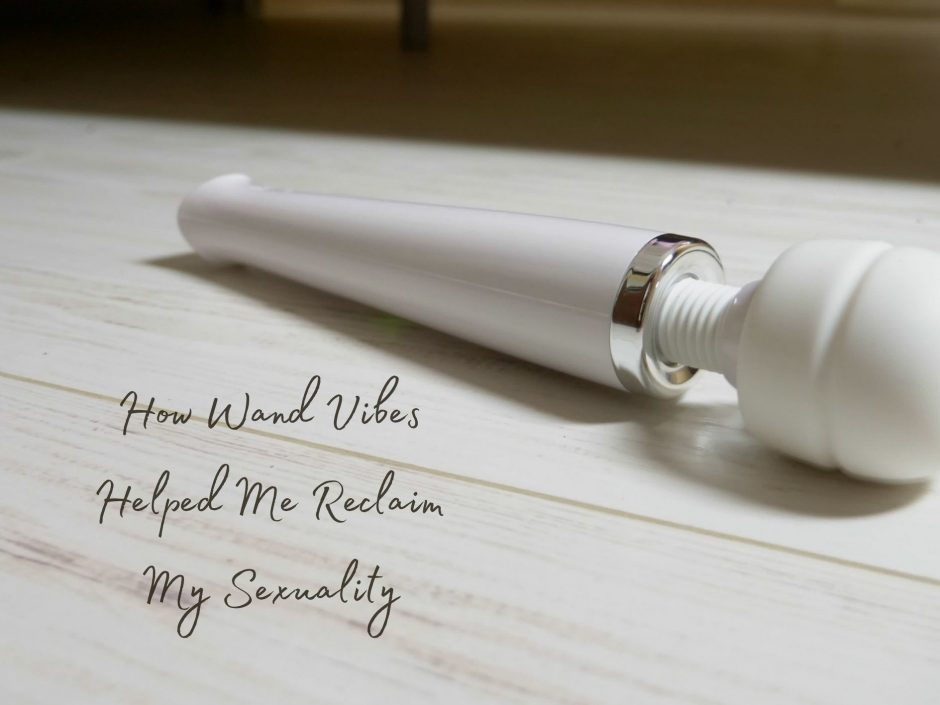
How Wand Vibrators Helped Me Reclaim My Sexuality When Antidepressants Killed It

I’ve been on antidepressants for the majority of my adult life, in three separate stints. I’m very pro medication for those who need it which, at the times I was taking it, I absolutely did. I’m not exaggerating when I say that those meds saved my life on more than one occasion.

Wand vibrators - Honey Wand from Honey Play Box
Honey Wand by Honey Play Box

But like any medications, antidepressants often have side effects, which can range in severity from mildly annoying to seriously debilitating. One of the worst side effects I experienced on two out of the three antidepressants I tried was a significant change to my sexuality. This manifested in different ways on each drug.

On Fluoxetine (Prozac), I pretty much lost my sexual desire entirely for months. Anything that had been pleasurable just felt like… nothing. This wasn’t limited to sex, either – I also lost my appetite and all ability to derive pleasure from food. On Citalopram, I lost my ability to orgasm while my body adjusted to the meds. While this did have some pleasant results (particularly discovering that I have an orgasm denial kink), it was also upsetting and frustrating. Feeling like I had no control over my body and like I’d lost one of my greatest sources of pleasure was so damaging that I seriously considered coming off the meds that were otherwise helping with my depression.

Trying Sex Toys

The first time antidepressants killed my sex life, I was so thoroughly miserable (both from the depression and from the side effects of the meds) that I wasn’t even interested in reclaiming it. I’m pretty sure I didn’t have sex or masturbate for about nine months at one stage. In hindsight, this probably made things even worse, because my sexuality has always been one of the key ways that I access pleasure and joy. At that time, I didn’t own any sex toys, and any touch from either myself or my partner left me cold.

The second time was a different matter, though. This time, the antidepressants actually took the edge off the worst of the sadness and hopelessness, and I still wanted sex. I just couldn’t orgasm, either with my partner or by myself. Though orgasm is not necessarily the goal of sex, this quickly became frustrating and then enraging. I felt like my body was betraying me. Like I had to choose between having a properly functioning brain and a satisfying sex life.

The turning point came when my then-partner pulled out a wand vibrator after about a month of this issue. That thing finally broke through the orgasm block. And, once that dam broke, it became easier and easier to get there again. I invested in a wand for myself pretty quickly after that, and it became my go-to toy.

Breaking Through the Depression-Haze

Even now, when I’m not currently on any psychiatric medication (though I accept I might be again in the future), I’m most likely to reach for my wand vibes when I’m in the middle of a bad depression funk. Contrary to popular belief, it’s still possible to feel horny at the same time as being depressed. Sad people need pleasure and orgasms, too! There have also been times when I haven’t felt horny, but I knew intellectually that an orgasm would make me feel better.

Sometimes, when I’m very very depressed, I feel as though there’s a kind of fog around me. The fog keeps me at least partly disconnected from everything and everyone around me. At its worst, it creates a sense of being somewhat outside and detached from my own body. In this state, many types of touch that would normally be pleasurable struggle to penetrate the fog. When that happens, I need intense stimulation and lots of it. It’s times like this that I might crave certain BDSM activities even more than usual. It’s also times like this when knock-your-socks-off powerful wand vibes are a Godsend. It might be possible to power through to orgasm with a lacklustre, buzzy vibrator but ultimately why bother?

The thing with my favourite wand vibes is that ultimately, they can wrench an orgasm from my body with very little active input from me. This has a lot of fun potential (forced orgasm scenes anyone?) It’s also extremely useful during periods of significant depression. If I want to orgasm at my own or a partner’s hand, or with a lower powered toy, it can be fun but often requires significant effort, mentally if not physically. With a powerful enough wand, I basically just put it in the right spot and wait for the orgasm to happen. In this way, I can access pleasure and the positive physical and mental health benefits of orgasm even when I feel so low I don’t want to leave my bed.

Sexual Pleasure Matters

When someone is dealing with severe health issues, either physical or mental, it’s often tempting to see sexual pleasure as trivial. Certainly when I spoke to my doctor about the side effects of my various medications, they dismissed my concerns. Did I want to be able to orgasm or did I want to not be sad? Because I couldn’t have both.

Except I actually could, and I needed and deserved to have both.

If you’re struggling with pleasure or orgasm due to health issues and medication, I want you to hear this: sexual pleasure matters! It’s not trivial and it’s not unimportant. If it’s important to you, then it matters. And you deserve to have what you need to feel sexually satisfied – whether that’s a change of medication, a super powerful vibrator, or just to change up what you’re doing.

Thanks to Honey Play Box for sponsoring this post. All views and experiences are my own!

Sexual Side Effects: How to Have Sex if Medication is Getting in the Way of Your Pleasure

Unfortunately, sexual side effects are incredibly common with numerous types of medication. Mental health medications including SSRIs and MOAIs, blood pressure medications, ADHD medications, and certain hormonal therapies are just some of the commonly prescribed medical treatments that can affect sexual function.

Sexual side effects can include loss of desire, low arousal, erectile issues, pain during sex, and anorgasmia. Obviously, not everyone who takes medication experiences these issues and not everyone will experience them to the same extent. They can also naturally occur as a result of ageing, stress, physical health issues, and so on. But they are super common. In this post, I’ll share some strategies that can help you to manage them and continue to access sexual pleasure, if you want to.

Note: I am not a medical professional, so I have kept my advice here to sex and relationships advice, not medical advice. If you have any medical concerns or queries, see your doctor.

Talk to Your Doctor About Sexual Side Effects

You shouldn’t have to choose between the right medication and a happy and pleasurable sex life. You should be able to have both! So if you’re suffering from sexual side effects, talk to your doctor.

A good provider will work with you to find a medication solution that helps you without damaging your sex life. This might mean adjusting your dose, trying a different drug, or implementing other strategies to combat the sexual side effects. If your doctor dismisses you or doesn’t think sexual pleasure is important, go to a different doctor.

Sex matters. For many of us, it’s a quality of life issue. You deserve to get medical support and be taken seriously.

Get Creative and Expand Your Definition of Sex

Perhaps you can’t or don’t want to change your medication right now (or ever), but you also want to start enjoying sex again. If so, I invite you to think about your definition of sex. When you think of sex, are you thinking exclusively about penetrative intercourse or another specific activity?

Getting creative, exploring different kinds of touch, and expanding your definition of sex can all be great ways to sidestep sexual side effects and find new ways to access pleasure and sensuality.

What if sex didn’t need to involve penetration? What if there was no pressure for anyone to have an orgasm, and you could just enjoy touch and sensation without racing towards any particular goal? If it didn’t matter whether a cock got hard or a pussy got wet? Paradoxically, removing the focus from things like penetration, erection, or orgasm can actually make those things easier. Don’t underestimate the power of taking the pressure off.

Intimate connection doesn’t even need to involve your genitals! What if you spent an entire session just kissing and making out, focusing on nipple play, trading massages? What if a kink scene, whether that involves flogging or shibari or candle wax or sensation play or power exchange, was the main event rather than an appetiser? When you step away from what you assume sex is, you discover all the things pleasure can be.

Experiment with Toys

Sex toys are amazing for so many reasons! (That’s why I turned talking about them into a career.) One of the ways they’re amazing? They can help to overcome or navigate sexual side effects by offering different kinds and intensities of sensation.

If you’re struggling with a loss of sensation, powerful vibrators can help. When I suffered from anorgasmia due to antidepressant medication, a wand vibrator helped me to break through the block. Some people with a clitoris find that the focused intensity of suction toys works well when sensitivity is low. If you have a penis and your medication makes it difficult to get or stay hard, a toy like the Hot Octopuss Pulse – which can be used from either erect or flaccid – can be a great choice. If you want to have penetrative sex, a strap-on, fucking machine, thrusting toy, or dildo can facilitate it.

If pain during sex is an issue, toys and accessories can also help. The OhNut is an amazing invention that limits the depth of penetration with a penis or dildo, and dilators can help to gently stretch and relax your vaginal tissue.

Explore Self-Touch

Learning to navigate sexual side effects and adjusting to your body’s new normal can be a process. Whether or not you have a partner, this is a great time to explore self-touch. You might want to experiment with masturbating in different ways (such as in a new position or with toys), experiment with mindful masturbation, or perhaps just touch your body in whatever ways feel good to you.

Talk About Your Sexual Side Effects with Your Lover(s)

Too many of us have, at some point, struggled through sex that was not pleasurable or even sex that was painful. Perhaps we felt pressured, perhaps we didn’t want to let our partner down, or perhaps we believed that maybe we’d “get into it” if we just kept going. I understand the urge, but you deserve so much more than suffering through uncomfortable or painful sex.

A partner who loves and respects you will want to understand your experience and support you. Great sex with a partner is a collaborative process. It begins with honesty and vulnerability, so – as long as you’re in a safe and trusting relationship – talk to your partner(s) about how you’re feeling, what’s going on for you, and how you’d like to address it. If you want them to do or not to something specific, ask for it. If you just want their patience and understanding while you adjust, ask for that.

Fight Shame and Self-Blame

Sexual side effects often bring a lot of shame. You might feel as though there’s something wrong with you, or worry that you’re letting your partner(s) down. Some people even feel as though their masculinity, femininity, or sense of sexual identity is threatened.

There is absolutely no shame in what you’re going through right now. Sexual problems are still hugely stigmatised and, unfortunately, so are certain types of medication (such as antidepressants). However, please try to avoid getting into a shame cycle or blaming yourself. But sexual side effects are incredibly normal, and most of us will be on medication that will impact our sexuality at some point in our lives.

If you’re struggling with shame, reach out to others who have had similar experiences, ask your partner(s) for reassurance and support, or talk to a therapist.

Check Out These Resources to Help You Navigate Sexual Side Effects

Wherever you are in your journey with medication and navigating sexual side effects, these are a few resources I recommend. As always, pick the ones that sound most useful to you!

If you find my work useful, you can help me keep doing this by buying me a coffee! This post contains affiliate links.