[Guest Post] Am I Ready to Have Sex? Questions to Ask Yourself by Tina Evans

“Am I ready to have sex?” It’s a question many of us have probably asked ourselves at one time or another, whether we came to sexuality in our teens, 20s, 30s, or later in life. You might have also wondered if you’re ready to have sex in a particular way or with a particular person.

These are very personal questions, and no-one can answer them for you. We all know that virginity is a social construct, but having sex for the first time (or the 1000th!) can still be a big deal for many of us. I know it was for me! There are, though, questions you can ask yourself to help you figure out whether you’re ready or not. That’s what this guest post by Tina Evans is all about.

Tina offers tips for folks of any age, gender, or orientation who are considering having sex for the first time. I hope you find them useful!

Amy x

Am I Ready to Have Sex? Questions to Ask Yourself by Tina Evans

So you think you’re ready for sex?

It’s natural to feel a mix of excitement and nerves. Whether you’re 18, 35, 73 or any age in between, the basics of preparation for sex are pretty similar. It’s all about respect, understanding, and care for both you and your partner. What really matters is that you feel ready and confident in your decision, without any external pressure, and that everything is consensual and respectful.

Whether you decide to explore your sexuality early or wait until later, your choice is completely valid. It’s important to honor your feelings and move at your own pace. Embracing your own timeline can lead to more meaningful and fulfilling experiences that truly match your values and readiness.

In this post, we will consider some of the different aspects of readiness for sex and invite you to ask yourself some important questions.

Emotional Readiness

Understanding Your Motivations

Reflecting on your motivations is crucial. Are you seeking to express love, explore pleasure, or deepen a connection, or are you feeling pressured by peers, media, or your partner? It’s important to ensure that your desire for sex comes from a place of genuine interest and readiness rather than external influences.

Ask yourself:

  • Am I doing this because I genuinely want to?
  • Am I trying to meet someone else’s expectations?
  • Am I trying to fit in with friends or societal norms?

Comfort with Your Body

Being comfortable with your body means accepting and understanding your physical self. This includes being familiar with your own anatomy, knowing what feels good for you (which you can learn about through self-touch), and being able to communicate this to your partner. It’s also about body confidence—feeling good about how you look and embracing your body as it is.

Ask yourself:

  • Do I know what I like and dislike sexually?
  • Am I comfortable being naked in front of someone else?
  • Do I feel positive about my body and its sensations?

Emotional Stability

Sex can trigger a range of emotions, from joy and excitement to vulnerability and anxiety. It’s important to be in a stable emotional state where you can handle these emotions. Emotional stability also means being able to process and discuss any feelings that arise afterward, whether they are positive or negative.

Ask yourself:

  • Am I generally emotionally balanced and secure?
  • Can I handle potential emotional ups and downs?
  • Am I prepared to discuss my feelings openly with my partner?

Maturity to Handle Consequences

Sex has potential emotional, physical, and relational consequences. Being mature enough to understand and deal with these consequences is key to readiness. This includes being prepared for the responsibilities of contraception, the risk of STIs, and the emotional impact of sexual intimacy.

Ask yourself:

  • Do I understand the potential risks involved in sex?
  • Am I prepared to take responsibility for contraception and STI prevention?
  • Can I handle the possible emotional outcomes?

Open Communication

Being able to discuss your feelings, desires, and boundaries openly and honestly with your partner is essential. Honest communication ensures mutual understanding and respect, and it helps build a foundation of trust. This means having conversations about what you’re comfortable with, what you’re curious about, and what your boundaries are.

Ask yourself:

  • Can I talk openly with my partner about sex?
  • Do we have mutual respect and understanding?
  • Are we comfortable discussing our boundaries and desires?

Consent must be clear, informed, enthusiastic, and ongoing. Both you and your partner should freely agree to the sexual activity without any coercion or pressure. Consent is about mutual agreement and respect for each other’s boundaries and comfort levels.

Ask yourself:

  • Do I fully understand what consent means?
  • Am I able to give and receive enthusiastic consent?
  • Do I respect my partner’s right to withdraw consent at any time?

Physical Readiness

Safer Sex Practices

Understanding and practicing safer sex is essential to protect yourself and your partner from STIs and unintended pregnancies. This might involve using condoms, using other barriers such as dental dams and gloves, discussing contraception options, and getting tested for STIs. It’s important to have this knowledge and to be prepared to implement it.

Ask yourself:

  • Do I know how to safely use condoms and other forms of contraception?
  • Have I discussed STI testing with my partner?
  • Am I committed to practicing safer sex every time?

Comfort with the Setting

The environment where you have sex should feel safe and comfortable. This helps reduce anxiety and create a positive experience. It should be a private space where you feel secure and relaxed, free from interruptions and distractions.

Ask yourself:

  • Is the location private and comfortable?
  • Do I feel safe and relaxed in this setting?
  • Have I made sure there will be no interruptions?

Personal Considerations

No Pressure

Your decision to have sex should be entirely your own, without any external pressure from partners, friends, or societal expectations. It’s important to make this choice based on your own readiness and desire, not because you feel you should or need to.

Ask yourself:

  • Am I making this decision for myself?
  • Do I feel pressured by anyone to have sex?
  • Am I confident in my own desire to have sex?

Positive Feelings

You should feel positive and excited about the prospect of having sex, rather than anxious or uncertain. It’s normal to feel a bit nervous, but the overall feeling should be one of anticipation and readiness.

Ask yourself:

  • Am I more excited than nervous about having sex?
  • Do I have positive feelings about the potential experience?
  • Is my excitement outweighing any anxiety?

Support System

Having a support system of trusted friends, family, or mentors can provide valuable guidance and reassurance. They can offer a safe space to discuss your feelings and any questions you might have, and they can help you navigate this new experience with confidence.

Ask yourself:

  • Do I have people I can talk to about my feelings and questions?
  • Can I rely on my support system for guidance and reassurance?
  • Do I feel supported in my decisions?

Am I Ready to Have Sex? Further Self-Reflection Questions

Here are some expanded questions for self-reflection to help determine if you are ready:

Why do I want to have sex?

Ensure your motivations are based on your own desires and readiness, not external pressures.

Do I feel pressured in any way?

Reflect on whether you’re feeling any pressure from your partner, peers, or societal norms.

Do I feel emotionally ready and stable?

Assess your emotional state and readiness to manage the potential emotional impact of sex.

Am I comfortable discussing sex, desires, and boundaries with my partner?

Ensure you can have open, honest conversations about your boundaries, desires, and consent.

Make sure you have a clear understanding of consent and the practices of safe sex.

Am I prepared for the possible emotional and physical consequences of sex?

Be ready to handle the potential emotional and physical outcomes of sexual activity.

Ultimately, “am I ready to have sex?” is a question only you can answer. Deciding when you’re ready for your first sexual experience is a deeply personal choice that involves introspection and self-awareness. It’s essential to feel confident and secure in your decision, ensuring that it aligns with your genuine desires and readiness.

This journey is unique for everyone, and there’s no right or wrong timeline. Embrace your individuality, prioritise your comfort and well-being, and respect your own pace. When the time feels right for you, approach the experience with an open heart and mind, fostering a positive and meaningful connection with your partner.

The act of experiencing sex for the first time can be as big a deal as you want it to be. For me, it was something I chose to get over and done with. I didn’t think about if I was ready, I didn’t prepare myself. And while I wouldn’t go back and change any of my life experiences, I would have liked to be more prepared emotionally.

About Tina:

I’m a cynical yet hopelessly hopeful romantic. I fell in love with reading as a child who wrote poetry as an angst filled teenager. As an adult, I’ve immersed myself in all genres of romance fiction but I enjoy the occasional biography and psychological thriller too. I currently write contemporary romance with a feminist edge, featuring relatable characters and situations. When I’m not writing, I can be found spoiling my fur family, trying to bake the perfect loaf of bread, or ignoring all my adult problems by losing myself in a good book.

6 Things Not to Do If You Want to Have Anal Sex Successfully

I think I’ve said before that I have a complicated relationship with anal sex. I was pressured to engage in it at a young age, long before I was ready. As a result, I pretty much shut it down and made it a hard limit in subsequent relationships. I did eventually explore it again, and even discovered that I quite liked it!

Nowadays, anal sex is only an occasional part of my sex life. I have to be really in the mood, and my body and brain have to be cooperating at the same time. But when the stars align enough for me to want to do it, I typically really enjoy it. Apart from the obvious and huge factor of being with safe and respectful partners, there are a few things I’ve learned along the way that have improved my relationship with anal sex enormously.

I recently learned that “Anal August” is apparently a thing. So in recognition of that, here are six things to be aware of – and six mistakes not to make – if you want to have anal sex of any kind successfully. (Note: my definition of “successful” anal sex is anything that is consensual, pleasurable, and safe for all parties involved. Beyond that, you do you. We don’t do prescriptive around here.)

Don’t Skimp on the Lube

We all know that we need to use tonnes and tonnes of lube to have anal sex successfully, right? Well, you probably need even more lube than you think. No, add a bit more. No, more than that. Okay, now you’re good. If things don’t feel slippery wet, you’re probably not using enough. If anything is hurting, catching, or you can feel a lot of friction, you’re definitely not using enough.

It’s also a good idea to keep adding lube regularly, particularly if you’re using water-based as it will dry up after a while. I like silicone lube for anal sex because it’s so slippery and lasts ages (but remember it’s not a good idea to use silicone lube with silicone toys.)

A bonus tip: please never, ever use “numbing” or “desensitising” lube. Pain is your body’s way of letting you know that something is wrong. If you can’t feel it, you may not notice if you’re being harmed until it’s too late. Plus, anal sex is supposed to be pleasurable! If you’re numbing your body to get through it, please consider whether it’s something you are even truly desiring or consenting to. Seriously, these products should not exist and can get in the fucking bin.

Don’t Rush

Apart from lube, the number one key to enjoying anal play is to go slowly. This means not rushing into it before or unless you’re ready. It also means exploring one step at a time, with no pressure.

You probably won’t get an entire penis or dildo in your butt the first time you try anal sex. That’s totally normal. Even if you only get the tip of one finger inside, that’s a success as long as you had a good time. I say this all the time with kink, but it’s true for any kind of sex: it is always better to end a session thinking “I’d like to do more next time” than to end it thinking “fuck, I went too far.”

Don’t forget about exploring externally, too. Anal play isn’t all about penetration! There’s a reason rimming (oral sex performed on the anus) is so popular. That entire area is really sensitive and having it stroked, licked, or teased can feel really good. Even just running a lubed-up finger across the anal opening can provide an intensely erotic sensation.

Don’t Restrict Yourself to Hands and Dicks

Anal sex toys are often erroneously categorised as “for men.” This is problematic in a couple of ways. First, “sex toys for men” is usually used synonymously with “for people with dicks.” And by now we all know that not everyone with a penis is a man, don’t we? Aside from this, everyone has a butt! Some anal toys are designed specifically to stimulate the prostate. And it’s true that if you were assigned female at birth, you don’t have a prostate. However, no matter what type of genitals you have, the butt is packed with nerve endings and sensitive spots that feel really good when stimulated.

What I’m really saying is: get yourself some butt toys! They can be a great way to start out, explore anal play solo, or expand your repertoire with a partner.

If you’ve never done anal play before, start with a mini butt plug (I like Godemiche’s Plug B in small) and work your way up. After that, you can try a larger plug or a small slimline dildo. I like the Godemiche Peg for a beginner anal dildo or just as a great option for those who prefer smaller and slimmer toys. And if you’d like to fuck your partner anally but don’t have (or don’t want to use) a bio-cock, a good strap-on harness should be on your shopping list.

Don’t forget vibrating toys, too! The OhMiBod Lumen and B-Vibe’s rimming plugs are great choices.

Don’t Put Pressure on Yourself or Your Partner

Pressure, whether self-imposed or placed upon you by someone else, is one of the ultimate libido killers. It also erodes consent, since a person who is being pressured may not feel able to say yes or no to an activity freely.

If you’d like to have anal sex with your partner, raise it and see how they feel about it. They may say no, in which case you need to respect that. You might decide to explore on your own to scratch that itch, using anal toys such as butt plugs, dildos, or butt strokers. They might be enthusiastic and all for it. Or they might be open to it but nervous or hesitant. Wherever they are, meet them there with love and acceptance.

Treat yourself in the same way. You don’t need to feel any pressure to have anal sex for any reason. Some people feel pressured because a partner really wants to try anal, because they worry they will be seen as prudish or uptight if they don’t, or because they think it is a “standard” part of their sexual orientation (fun fact: according to a 2011 survey of men who have sex with men, less than 40% reported engaging in anal sex with their last sexual partner. Many never do it at all.)

For any kind of sexual exploration, a safe and pressure-free environment is vital as a base from which to explore.

Don’t Forget Sexual Health

Like all kinds of sex, anal sex carries a risk of passing on a sexually transmitted infection (STI.) Current data also indicates that it is a higher risk activity than vaginal, oral, toy, or hand sex. The best ways to keep yourself and your partner safe are to get tested regularly, negotiate your safer sex boundaries clearly, and use a condom for penetrative anal sex.

Don’t forget that rimming, like any other forms of oral sex, can carry an STI risk. Depending on your safer sex boundaries, you may wish to use a dam (or cut up condom) for rimming.

Hand sex is low risk for STI transmission, but it is still possible. Being diligent with hand washing, and using gloves if you like, can lower the risk further (and using gloves is essential if you have any open cuts on your hands.)

Anal sex with hands can also facilitate a transfer of bacteria even if you are both/all STI-negative. If you’re switching between anal and genital stimulation with hands, change gloves or wash your hands in between. Even a freshly washed butt can transmit bacteria that can cause urinary tract infections and other complications, particularly for people with vaginas.

For the same reasons, never go from anal to vaginal penetration with the same penis or dildo without having a thorough wash or sterilising the toy in between.

Don’t Stress If It’s Not For You

Like anything else, anal sex isn’t for everyone. You might reflect and decide that you have no interest in trying it, now or possibly ever. That’s cool! You might try it and realise you don’t like it. That’s fine, too! You’ve learned valuable information about yourself!

What do you wish you’d known before you tried to have anal sex?

This post contains affiliate links.

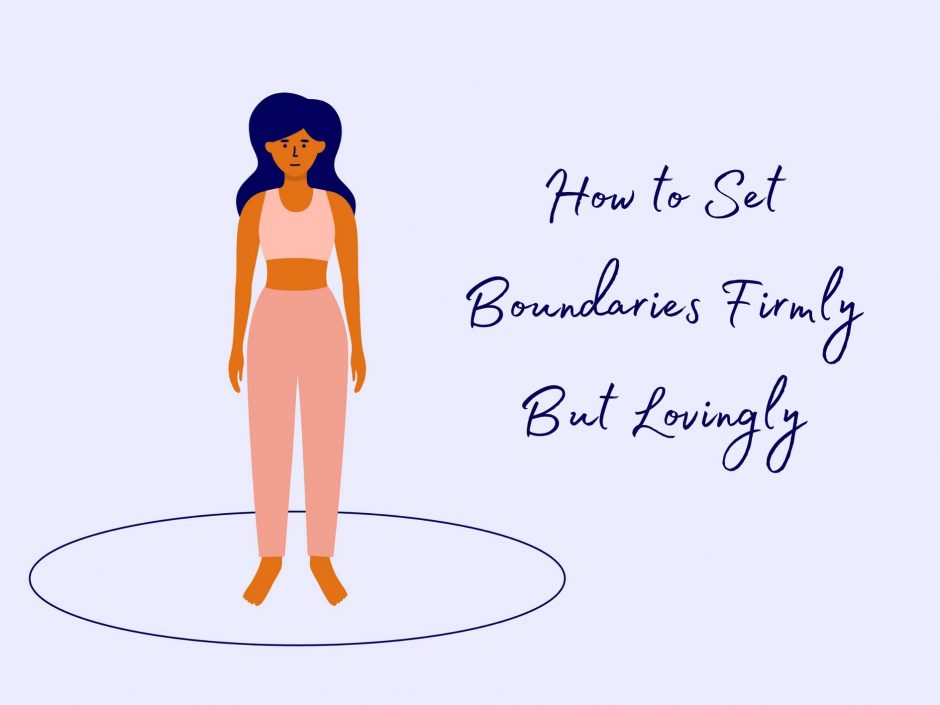
How to Set Boundaries Firmly But Lovingly

As I’ve got older, I’ve realised more and more that when it comes to healthy relationships (romantic, professional, platonic, or otherwise), good boundaries are everything. But what are boundaries, why are boundaries important, and how do you set boundaries firmly but lovingly?

I’ve been thinking about, and setting, boundaries a lot lately. This post will have somewhat of a focus on romantic/sexual relationships, since that’s the focus of this blog, but many of these tips for setting boundaries can apply to any type of relationship.

What Are Boundaries?

Love is Respect (a fantastic resource on healthy relationships aimed at young people) has this to say:

Boundaries are really about your relationship with yourself; they help you honor your needs, goals, feelings and values. Boundaries can be emotional, physical or even digital.

Love is Respect

In other words, boundaries are about the things that are yours and over which you have ultimate say. Access to your body, your time, your home, and emotional or physical intimacy with you, are all areas where boundaries are essential.

Your boundaries state the things you will and will not do, and will and will not accept, when it comes to those things that are yours. Boundaries are not weapons, rules under another name, or things you wield to punish your partner.

Why Are Boundaries Important?

Good boundaries are a crucial component of taking care of yourself. Without strong boundaries, you are likely to end up feeling used, burned out, or taken advantage of. This can happen even if no-one has any ill intent towards you! And if someone does have less than positive intentions towards you, a lack of good boundaries may help them to get their claws in.

This is not to say that being abused or harmed is ever the victim’s fault. It absolutely isn’t and no-one, no matter how good or poor their boundaries, deserves to have that happen. But in a world where some people sadly do have bad intentions and operate in bad faith, good boundaries are one tool we can use to help protect ourselves.

Good boundaries also help you to keep a strong sense of self. A boundary that I have now is “I will support my loved ones when they need it, but I will not take on someone else’s problems or emotions as my own”. This has helped prevent me from losing myself in a relationship or making myself solely responsible for someone else’s feelings, which is definitely a mistake I’ve made in the past.

Finally, good boundaries enable true consent to exist. I firmly believe that a person can only give a meaningful yes (to sex, a date, a new project or responsibility, or even just a conversation) if they also have the ability to say no. Good boundaries allow us to say yes when we mean it, and no when we need to.

How to Set Boundaries (Firmly But Lovingly) in a Relationship

If you’ve historically been bad at setting and maintaining boundaries, it can be difficult to know where to start. You might worry that people will be upset, angry, or disappointed when you start to set boundaries with them. You might even be right! But that just makes those boundaries even more important.

The thing people often miss is this: you can set boundaries in a loving way! Here are seven ideas and strategies I’ve found useful when it comes to setting firm boundaries and keeping my relationships intact.

Use “I” Statements

Boundaries are about you, so use “I” statements when you set them as far as possible. This can help prevent the other person from getting defensive or pushing back against what you’re saying (it’s harder to argue with someone about their own feelings, thoughts, or needs!)

Here are a couple of examples:

“I’d love to cuddle with you but I don’t want to have sex tonight.”

“If I’m in my office with the door closed, I’m working and only want to be interrupted if it’s an emergency.”

Use a Calm Tone of Voice

If you can, communicate your boundary calmly. It might sometimes be necessary but in general, the middle of an argument isn’t a great time to discuss your boundaries respectfully. A neutral tone allows the other person to be receptive to what you’re saying. Raised voices, name calling, or an accusatory tone are all likely to make them defensive before you’ve had chance to make your point.

Assume the Other Person is On Your Side

Unless you have very clear evidence to the contrary, assume that the other person – your partner, friend, family member, or even coworker – is on your side and cares about you. This means that they wouldn’t WANT you to overextend yourself or say yes when you really mean no.

This will help you approach the boundary as a necessary self-care step for yourself, and not as something you’re doing to the other person. It’s also a clever conversational trick – if you signal to the person that you expect them to be understanding and respectful, they’re more likely to want to live up to that expectation by responding appropriately.

Consider When to Compromise (and When Not To)

Compromise is essential in healthy relationships. This means you might not get 100% of what you want in every situation. If your needs conflict with your partner’s, it can be useful to have a frank conversation and try to come to a compromise.

However, you should never compromise on a firm boundary. If you’re someone who (like me) tends towards people-pleasing, what the other person thinks is “compromise” can look like you conceding your boundaries in favour of keeping the peace. Don’t do that.

Directness is Kindness

One of the biggest headfucks for me in past relationships has been not knowing where I stand or what the other person needs. By making someone guess at your needs or hiding your true feelings, you’re not doing them any favours. People who care about you would rather know what’s going on with you.

Being direct gives the other person the gift of knowing you better and having clear information about what you need. Being vague helps no-one. Clarity, specificity, and directness are the name of the game when it comes to boundaries.

Model Respect for Others’ Boundaries

In a healthy relationship, both (/all) people have their boundaries heard and respected. So as well as setting your own boundaries, you need to listen to and adhere to theirs.

Their Feelings Aren’t Your Problem

You might do everything right when you set your boundaries, and the other person might still be upset. At this point, it’s not your problem. While you can sympathise and work with them to get both your needs met, their feelings about your boundaries are ultimately not your job to solve.

If someone becomes very angry or upset about a reasonable boundary, it might be because they felt (consciously or subconsciously) that they were owed a certain level of access to you. This is a huge sign that the boundary was necessary!

Stand firm and resist the urge to compromise your boundaries in the face of yelling, guilt trips, sulking, or other manipulative behaviour.

Do you have any tips for lovingly setting boundaries? Share them in the comments!

If you’d like to help me keep the blog going and writing things like this, you can buy me a coffee or shop with my affiliates using the links in the right-hand sidebar.

A Dom Ignored My Safeword. Now What?

No, the title of this post isn’t something that has happened to me recently, so please don’t worry! But it’s something I see shockingly frequently, from Fetlife to Reddit’s r/BDSM and many other places on the internet. “My Dom ignored my safeword. What do I do now?”

I hate how common this question is, and I wanted to address it.

For anyone who doesn’t know, a safeword is an agreed-upon word that clearly and unambiguously means “stop immediately”. They’re often employed in kink and BDSM situations, particularly those where words like “no” and “stop” not being taken at face value is part of the game.

“Red” is a common safeword (with the accompanying “orange”/”amber” meaning pause and check in). But your safeword can be whatever you want it to be. My first one was “canary”.

A safeword is an absolute. You should never play without one, no matter how long you’ve been together, and you should never, ever ignore one. Oh, and by the way? If you haven’t explicitly agreed otherwise, “no” and “stop” are the ultimate safewords in every context.

First: no, you’re not overreacting

When a Dom has ignored your safeword, you might feel a range of different emotions. You might feel angry, sad, betrayed, frightened, numb, or something else entirely. When a Dom ignored my safeword in a scene years ago, I felt scared first, sad second, and angry much later. Your experience might look very different.

Whatever you feel, and whether the harm is physical or psychological or both, your feelings are valid. You are not overreacting.

Seek support if you need it

Do you need to talk to a kinky friend or another partner, see your therapist, or yell into the void of an anonymous online forum? You get to seek support, whatever that looks like for you.

If the consent violation occured in a public or semi-public location such as a dungeon, sex club, munch, or even a private kink party, consider telling an organiser, team member, or dungeon monitor. They should make sure you’re okay and help get you the support you need in the moment. They may also remove the perpetrator from the space and perhaps even issue a (temporary or permanent) ban.

You might also have been physically harmed. If you have been physically injured or been sexually assaulted in a way that leaves you vulnerable to an STI or an unwanted pregnancy, please seek medical attention immediately.

You don’t have to confront them (though you can)

Your only job is to take care of yourself. You don’t have to confront the person who ignored your safeword and call them out on it. But if you want to, you’re also within your rights to do so.

If telling them that what they did was fucked up and not okay, have at it. If you’d rather stay far away from them, you get to do that, too.

You don’t have to decide immediately if you’ll ever play with them again

If you ask me if I think you should give a Dom a second chance after they violate your safeword, I will always say absolutely not. I can forgive a lot of things, but this is such a complete and total annihilation of trust that I would never let that person near me ever again.

But your mileage may vary. If you feel conflicted, you don’t have to decide straight away. You get to take all the time you need and you’re allowed

Also: you’re not obligated to give them a second chance, no matter how apologetic and contrite they seem. Don’t let them guilt you into it if you don’t want to.

Their reputation is not your concern

Choosing whether to speak out publicly in the community about your experience is a very personal decision. There are good arguments on both sides and ultimately, the best choice is the one that’s right for you.

Either way, remember that their reputation is not your problem. You do not have to keep silent to protect them. You also do not have to make excuses for them or downplay what happened if you do choose to share.

Sadly, when someone speaks up and says “this Dom ignored my safeword”, some people will accuse them of exaggerating or instigating a witch-hunt. You’re not. Keep speaking your truth if you want to.

Don’t blame yourself

You might be tempted to blame yourself. You might be wondering if you didn’t say your safeword loudly or forcefully enough[1], if you should have put up more of a physical fight when the Dom continued, or if you just safeworded when it wasn’t “necessary.”

Sometimes, the D-type in question will seek to blame you, too. One common tactic amongst abusive Doms is to say something like “I knew you could take more”, “I know what you need better than you do”, or “I told you I played hard so you should have known what to expect”.

No. All of this is bullshit. The only person to blame for ignoring your safeword is the person who did it, and there is never any excuse. Kink is about consent and without ongoing, active consent, it is abuse. You get to safeword at any point for any reason and have that respected.

If you take nothing else away from this piece, please take this: it is not your fault.


[1] I want to acknowledge that there might be rare incidents where a Dom genuinely does not hear a safeword. This might happen in a loud environment like a play club. But in those circumstances, they will be mortified and apologetic and go out of their way to take care of you the moment they realise what has happened. It is also the Dom’s responsibility to ensure consent is ongoing in those environments, whether through clear non-verbal safe signals, regular check-ins, or even just choosing to play somewhere a little quieter.

If you find my work valuable, you can support the site by buying me a coffee to say thanks!

What is Ethical Porn and How Can It Enhance Your Sex Life?

I think porn can be a wonderful thing. 

People are often surprised when I say that. As an outspoken and unapologetic feminist, surely pornography would be against everything I stand for? Well, not exactly.

It’s true that the mainstream porn industry has a lot to answer for. Too often, the large “tube” sites profit from stolen content or non consensual content, including revenge porn and child abuse material. 

But there’s an alternative. If you’ve never explored ethical porn, you’re missing out on something that can be a wonderful addition to your sex life. 

Bellesa Plus ethical porn streaming platform

Today I’m spotlighting Bellesa Plus, a porn streaming platform that calls itself “The Netflix of Porn” and offers a “pay what you can” model costing from as little as $1 per month. The higher prices offer special perks, such as free sex toys and gift cards to the Bellesa Boutique (BBoutique), but the low entry point means you can enjoy more ethical adult content even if you’re on a budget. 

But What is Ethical Porn?

As with many of the things we consume, from food to media, people are becoming more and more concerned about the ethics behind their porn. Untangling exactly what constitutes ethical porn can be a minefield, especially given that the porn industry is still often defending its right to exist at all. 

Here are four things that I believe go into making porn ethical. 

Consent

This might seem like a bare minimum standard, but it’s missing from a shocking amount of mainstream porn. 100% of Bellesa’s content features consenting adults having consensual sex that has been consensually filmed. 

Performers have the opportunity to negotiate with their partner before filming starts, exploring their likes and dislikes. If a scene involves roleplay, performers will be briefed on their role in plenty of time to ensure they’re comfortable with it. 

And if, like me, you’re squicked by all the pseudo-incest (think: “step sister”) content that pops up on mainstream sites, you’ll be pleased to know Bellesa doesn’t do any of that. 

Chemistry and Connection

When I watch porn, I often gravitate towards amateur content because it feels so much more authentic. Whatever the specific acts that they’re engaging in, ultimately I want to watch people who truly like (or even love) each other, having hot sex that they’re genuinely enjoying. 

Many mainstream porn studios don’t give performers much choice who they work with. Bellesa pairs performers who truly have chemistry and actually want to have sex with each other. Because real connection and attraction makes for much hotter content and a much better working environment for the performers. 

Women as Subjects, Not Objects 

One of the things that will turn me off the fastest in any porn scene is seeing women being objectified. This is apparent in everything from the naming of scenes to the ways in which female pleasure is explored (or, often, ignored.) 

Ethical porn puts the pleasure of all participants front and center. In ethical porn, the women being depicted are full human beings with their own desires and erotic agency. In other words, subjects of pleasure, not objects to be acted upon. Bellesa porn is directed and produced by women, headed up by the inimitable Jacky St. James. 

A Safe and Respectful Working Environment

Making pornography is work, and performers deserve a safe working environment just as much as employees in any other industry. 

This can be as simple as prioritizing their comfort on set, such as making sure they’re well fed and hydrated. Sexual safety is important too, whether that’s ensuring plenty of lube is used or carrying out rigorous STI (and now also Covid-19) testing. And, of course, performers must retain the right to say no or to call “cut” on a scene for any reason. This goes back to consent. 

Performers should also be fairly compensated for the work they do. Many porn performers say they love their job, but it can also be physically and emotionally taxing at times. Performers are workers and deserve to be paid a fair rate. 

How Ethical Porn Can Enhance Your Sex Life 

Despite what naysayers might say about it, I believe that porn can be an extremely healthy and positive addition to your sex life, whether you’re single or partnered. When you make a point of consuming ethical porn, you can feel good about your viewing habits.

Here are three ways ethical porn can enhance your sex life. 

Get New Ideas

I recently experimented with a new kink activity with my partner. Why? Because I saw this specific act in a porn clip, thought it looked hot, and asked him if he’d be willing to try it with me.

Good porn has the potential to introduce you to new kinks, activities, and ways of having sex that you might never have thought of before. While you might not want to try everything you see, some things are sure to resonate. 

One of the things I love most about human sexuality is its infinite variety. Every single day, people are having sex in endlessly creative ways, many of which I’m sure I’ve never even thought of – and you probably haven’t, either! Ethical porn gives you a consensual window into other people’s bedrooms and allows you to draw inspiration from what you see. 

Enjoy Things You Can’t Do in Real Life

Perhaps there are things you fantasize about but can’t (or don’t want to) do in real life. For example, you might be a bisexual person in a monogamous relationship with a different-gender partner. Watching porn can allow you to express your attraction to same-gendered people without changing the relationship you have with your partner. 

Or maybe you have a particular fetish that your partner doesn’t share. If your relationship agreements don’t allow for getting that itch scratched with others, porn featuring your kink is another ethical and safe sexual outlet. 

It’s also valid to enjoy things in fantasy that you don’t want to do in real life. Let’s say you fantasize about gangbangs but consider the idea too risky to carry out in reality. Ethical porn is a wonderful way to enjoy your fantasies in a safe way that doesn’t carry any of the real-world risk that might come with realising them. 

Boost Your Desire

For many people, including me, arousal begets arousal. In other words, the more you masturbate, have sex, or consume erotic media, the more you’ll want to. The anti-porn crowd would say this is a bad thing, but I believe it can be just the opposite! After all, sexual pleasure is healthy and orgasms are good for us. Why not seek a little more of both in your life? 

So if you’re looking to get in the mood more often or more easily, pulling up your favourite steamy scene can help make that happen. Whether you watch alone or with a partner, the right porn can help to fire up your libido when it needs a little extra help. 

Want to Explore Ethical Porn?

If so, grab yourself a Bellesa Plus subscription. You’ll get access to top content from 50+ premium porn channels, unlimited 4K streaming, access to interactive sex education content, and unlimited access to over 600 erotic stories. You’ll also enjoy 24/7 support, discreet and secure billing, and an ad-free viewing experience. 

Best of all, you can get off to some of the hottest content you’ll find anywhere, and know that you’re supporting a company doing good in this industry. 

Bellesa Plus ethical porn logo

FYI: this post was sponsored by the good folks at Bellesa. All views, as ever, are my own. 

What is Consent? 10 Fundamentals Everyone Needs to Understand

Most of us think we know what consent is. But when you start to look at it more closely, the “what is consent?” question becomes murkier and far more complex.

Today I want to share ten basic but essential fundamentals that I wish everybody understood.

Content note: this one contains discussion of sexual violence and a reference to murder.

It’s not just about sex

Consent is vital when it comes to sex, of course. But if we only apply consent to sex, we’re missing out a whole bunch of really vital steps.

Instead, I’d like us to conceptualise consent as something we apply in all areas of our lives. If your child doesn’t want to hug or kiss a relative, don’t make them. When your partner tells you they HATE being tickled, don’t take it as a challenge. If your friend has decided to quit alcohol, don’t push them to drink. And so on and so on.

If we normalise respecting people’s choices and autonomy in all areas of life, it becomes easier to normalise informed consent as a minimum standard for sex.

It’s contextual

Consent to something in one context doesn’t imply consent to it in another. I might love my partner casually grabbing my ass in the kitchen while we’re cooking dinner. It doesn’t mean I want them to do it when I’m on a work call!

Never assume that consent in Context A implies consent in Context B. Always ask if you’re not sure.

It’s not transferable

Consent is inherently person-specific. In other words, consenting to something with one person doesn’t mean you’ll agree to it with someone else. This one should really be self-evident. Unfortunately, in a world where prior consensual sexual activity with someone else is still widely used to discredit survivors of sexual violence, it still needs reiterating.

It’s reversible

Consent is not meaningful if it cannot be revoked. In other words, all parties must be able to stop the activity at any point. That might mean ending an interaction, changing up the activity, or even walking away from a relationship entirely.

I don’t care if you’re the most Twue Real D/s Couple that ever existed. Consent is never, ever, ever irreversible. If it can’t be revoked, you don’t have a relationship, you have a hostage situation.

It must be informed

Consent without all pertinent information isn’t really consent.

Years ago, I saw a new-ish submissive agree to engage in a particular kink with a Dominant who said they had years of experience. It later came out that the Dominant had lied and had hardly any experience at all. This rendered the consent the submissive had given meaningless, because it was given under false pretences.

In other words, lying or deliberately omitting information in order to obtain someone’s consent makes it meaningless.

It’s specific

Consent to Activity A doesn’t imply consent to Activity B. If I’ve consented to kiss you, that doesn’t mean you can stick your hand down my pants without asking. If I say you can tie me up, that doesn’t mean you also get to spank me unless I say you can. And so on.

Never assume that someone is up for something based on their having consented to something different. If there’s any doubt, ask or check in.

It’s about much more than just “not saying no”

Sadly, I still hear “but she/he/they didn’t say no” as a defence when consent has been violated. Here’s the thing: consent is about much more than just the absence of a “no”.

Is the other person actively engaged in what you’re doing together? Are they responding positively? If not, pause and check in. If they shrug, say something non-committal, or otherwise seem uncomfortable, stop.

It’s everyone’s responsibility

Standard sex education is too often based on a “boys push, girls say no” model. But this is a gross over-simplification of what consent is and how it works.

Bottom line? It’s everyone’s responsibility. Never make assumptions about what someone might be “up for” based on their gender or any other characteristic.

It has limits

As a general rule, I’m a proponent of allowing informed, consenting adults to make the best decisions for themselves. However, this principle has its limits. Following the murder of Grace Millane, the UK outlawed use of the so-called “rough sex defence” in murder trials.

Here’s a great article from my friend Franki Cookney on why the rough sex defence is an antithesis to what consensual kink is all about. The bottom line? Fun, consensual kink play doesn’t cause serious harm. People cannot consent to GBH or death.

You’ll mess it up sometimes

This is the hardest one to swallow, and yet the most essential. We are, all of us, human and imperfect. I’ve made consent mistakes in the past, and I’m sure you have too.

Here’s the thing: making a mistake or fucking up in good faith doesn’t make you a garbage person. It makes you human. Apologise, change your behaviour, and learn from the incident so you don’t cause the same harm again.

What we can do is to do our best in all circumstances. This way, when we make a mistake it’s likely to be relatively minor, rather than an enormous violation that will cause someone else untold damage.

What do you wish someone had taught you about consent?

The Sex Ed September banner, featuring colourful condoms

This post is part of my Sex Ed September series, where I’ll be sharing educational content all month long. If you find my work valuable, buying me a coffee help keeps the lights on at C&K HQ.

[Guest Blog] What Cats Can Teach Us About Boundaries by Quenby

It’s a rare gem of a guest pitch that can say something incredibly important and make me giggle my ass off at the same time. That’s why this idea from Quenby went into the instant “yes!” pile. As a consent nerd and self-confessed cat lady, I love the way they manage to nail the essence of both cats and boundaries in this piece. Let’s dive in…

What Cats Can Teach Us About Boundaries

Recently I was discussing boundaries with my datemate AJ and they said something that stuck with me. “When it comes to physical affection, I’m a bit like a cat!” (no, this isn’t a piece about kitten play!). This was a cute moment between the two of us, but the more I think about it, the more I think cats actually can teach us a few important things about setting boundaries.

It can take time.

You don’t walk straight up to a cat and pet them, you give them space and let the cat come to you. Whether it’s your first time meeting someone, or you’ve been dating for a while, sometimes you need to give your partner space. As someone who tends towards physical affection, this took me some time to get used to, and it’s something I still try to check myself on. But I try to come in without expectations, and give a partner time to relax and adjust to my presence. Letting them come to me can help ensure they’re comfortable and helps build the trust needed for us to feel safe lowering our inhibitions and exploring different forms of affection. And otherwise you’re just chasing a disgruntled cat around the house.

If a cat wants to be stroked, they will let you know.

If they want a belly rub they will let you know, and if they want food they will definitely let you know! Affection must be given and received on terms that everyone enjoys. You have to pay attention to your partners verbal and non-verbal signals, and take cues from them. As part of this we can also draw in the idea of love languages (the different ways in which people show that they care for each other.) Ultimately you need to communicate with a partner and find the ways you can express affection in a way that everyone appreciates. Because otherwise it’s not about your partner, it’s not about sharing a connection, its just about taking what you want from the other person.

Sometimes when you’re petting a cat they’ll suddenly stand up and walk away, because they’ve decided that they’ve had enough.

For consent to be meaningful, it must be continuous. Consent is not a singular moment, it doesn’t mean agreeing to something and then being obliged to stick with it. If you stop enjoying something, it’s always ok to stop. It can be hard to remember this when you’re in the moment. When your partner is right in front of you, excited for something that you also really wanted moments before, it can be hard to speak up. But (and lets say it together this time) if you stop enjoying something, it’s always okay to stop! And if your partner doesn’t respect that, they are in the wrong. And that leads us neatly to the final lesson.

Cats aren’t generally aggressive unless provoked first

But if you don’t follow these rules they will lash out, and those claw marks on your face will be your own fucking fault. If somebody fails to respect your boundaries, then you are entitled to be pissed off at them. Whether or not they crossed that boundary intentionally, they’ve fucked up and must take responsibility for pushing those boundaries. You have a right to establish boundaries and you have a right to enforce those boundaries.

This is intended as a light-hearted take on a serious topic – obviously human relationships are too complex and nuanced to be comprehensively explained by cats. But I think that the core lessons I’ve drawn out in this piece are a good starting point. Make time and space to develop trust, listen to what each person is saying. Above all respect the right to boundaries, respect that those boundaries might change, and set and maintain your own boundaries in good faith.

However, it is also important to recognise that cats are not perfect models for consent practices. Below is a non-comprehensive list of lessons my partner’s cat really needs to learn on this subject.

– You should ask before showing someone your asshole, I’m sure it’s lovely, but that’s not a dynamic I want to explore with you.

– Stabbing someones thighs should be discussed ahead of time. There are nicer ways to ask for attention, you vicious little cutie.

– Climbing into bed while a couple are having sex is considered rude. Yes, we both love you, but in a very different way to how we love one another.

Quenby is a queer perfomer, writer, and activist. If you liked this post you can check out their blog, or follow them on FB and Twitter @QuenbyCreatives.

Threesome Tips: How to Be a Good Couple to Have a Threesome With

Threesomes are amongst the most common sexual fantasies, but threesome tips often focus on how to find a third person to play with as an established couple. I wanted to take things in a slightly different direction with this threesome guide and instead focus on how, once you’ve found that person, you can be a good couple to have a threesome with.

In other words, how can you give them a great experience, treat your special guest star well, and end the night with everyone feeling good?

The Absolute Most Important Threesome Tip Of All: No Pressure

Pressure is the ultimate desire- and pleasure-killer. It’s a really bad idea to go into a threesome (or indeed any sexual experience) with an overly rigid idea of how you want it to go. This puts undue pressure on everyone. It’s especially unfair on an incoming third party, who may well be at a power disadvantage when playing with an established couple.

Don’t rush things. Don’t invite a potential playmate over with the goal that you must have a threesome and that anything else is a failure. Spend time getting to know the person, learn about what they’re into, ask what they’re hoping to get out of the experience, and talk about what kind of ongoing dynamic you all want to have, if any.

If things do progress to a sexy place, don’t make it a rush to tick off sex acts like you’re trying to round all the “bases” as quickly as possible. Making out, touching, groping, massage, hand sex, oral sex, and kinky play can all be amazing in and of themselves. Don’t rush to penetrative sex, or even assume that penetrative sex is on the table at all.

Before You Have a Threesome, Get Your House In Order

No, I don’t mean your physical house, though tidying up before you have a date over is a nice and courteous thing to do. I’m talking about the house of your relationship.

What’s the only thing more awkward than being in the middle of a couple having a fight? Being in bed with a couple having a fight. It is tremendously unfair to bring another person into your dynamic, even casually, if your relationship is on rocky ground. My top threesome tip to couples having problems? Don’t do it. Wait until things have stabilised.

Before you take your threesome plans to reality, discuss your feelings in depth with your partner. Talk about any insecurities or jealousies that might come up, and plan for how you’ll handle it if they do. Your plan should focus on kindness and compassion towards everyone, including the third person. “Well we can just kick her out if one of us gets jealous” is neither a solid plan nor an ethical way to treat a human being.

“Relationship broken, add more people” is a cliche because so many couples try to do it… and it never, ever ends well.

Good Threesome Sex Tip: Approach It As a Collaboration, Not a Service

Too many threesome guides focus exclusively on the couple and seem to forget that there are three humans involved, not two humans and a toy. Good sex is a collaboration, a dance between equals. Everyone should be free to both give and receive pleasure The goal should always be mutual enjoyment satisfaction for all parties, not just the established couple.

Your threesome buddy may not be a fully fledged member of your ongoing relationship, but they are a fully fledged member of whatever dynamic the three of you are creating together. Even if the sex is casual, they are not a life-size sex doll! They’re a person with their own wants, needs, desires and feelings, and those deserve to be honoured.

Check in with everyone involved early and often, and make enthusiastic and ongoing consent your minimum standard. If you’re not absolutely 1000% sure you have consent for something, always ask. “Ruining the mood” is a myth. A good time will never be ruined by checking on consent, but it can easily be ruined by overstepping someone’s boundaries.

I hope it goes without saying that no means no, and you should never push someone to do something if they don’t want to.

Safer Sex Tips for Threesomes

Safer sex is essential, and you should never go into a threesome (or any sexual encounter) without thinking about and discussing it.

Ideally, this discussion should happen while clothes are still on, long before any sex happens, but it can happen in the moment if necessary (for example, if your threesome evolves spontaneously.)

Everyone should disclose their testing status, their safer-sex protocols, the method(s) of birth control they’re using if relevant, and any other relevant information such as allergies.

Safer sex is at least as much your responsibility as a couple as it is the third party’s responsibility! Everyone is responsible for looking out for their own and their intimate partners’ sexual health.

By the way: if you’re using toys in your threesome, read my guide to sex toys, STIs, and sharing toys safely.

What Do You Need? Have It On Hand

Ensure that your stash of condoms, lube, gloves, dams and any other relevant safer sex supplies is well-stocked and easily reachable. If you might want to use toys, make sure they’re close by (and charged, if applicable!)

Water, snacks, blankets, extra pillows, and towels are also useful things to have on hand.

Make An Aftercare Plan

Most threesome tips forget this part: what happens afterwards?

Will your threesome buddy stay over, or would they prefer to go home afterwards? How will they get home safely? If they do stay, would they prefer to sleep with you both or in a separate bed? What do they like to eat and drink in the morning? If they’re going home, would they like you to check in the following day?

Make sure there’s time to cuddle, debrief if necessary, and make sure everyone is okay and has everything they need after sex. Offer, and ask for, reassurance and affection freely as needed.

And that’s it! I can’t guarantee you’ll have an amazing threesome if you follow the tips in this guide, but you’ll be safe in the knowledge that you’re treating your very special guest star with the respect, compassion and consideration they deserve.

If you enjoyed this post, you can buy me a coffee to say thanks.

Beyond Safewords: 8 BDSM Safety Tools You Can Use

There are very few things in kink that I take an unshakeable hard line on. But as someone who is passionate about BDSM safety and more ethical ways of practicing kink, one of them is this: BDSM safewords are essential.

What Are Safewords?

Safewords are simple code words used in kink scenes that mean “stop.” They’re particularly useful for scenes in which words like “no” and “stop” may not be taken at face value as part of the game, but I recommend having one in place regardless of what type of kink you’re doing.

The best safeword is something that you can easily remember and wouldn’t otherwise say in a kink scene. The most commonly used safewords these days seem to be the traffic light system:

  • Red = “stop everything right now”
  • Orange/Yellow/Amber = “pause and check in”
  • Green = “everything is good, keep going”

Use these if they work for you, or come up with your own. Safewords I’ve used include canary, aardvark, and banana.

Beyond Safewords: Other BDSM Safety Tools

Safewords are vital but they are not the be-all/end-all of BDSM safety. That’s why I wanted to suggest a few other tools, tricks, and pieces of wisdom you might want to keep in your kink safety toolkit.

“No”: The Ultimate Safeword

In the absence of very explicit negotiation to the contrary, “no” is the ultimate BDSM safeword. Unless you and your partner have agreed that (for the duration of a scene, or during kinky play in general) “a ‘no’ is not to be taken at face value”, guess what?

No means fucking no.

A “Check In” or “Adjust” Word

I touched on this above as it forms part of the increasingly popular traffic light safewords system. If you need to pause, check in with your partner, or adjust something, a check-in word can help to facilitate this without bringing the entire scene to a screeching halt.

A check-in word is useful for moments when (for example) your leg has gone to sleep, you need to change positions but want to keep going, or you need to grab some more lube.

Really Robust Negotiation

BDSM negotiation is all about what happens before you start playing. It can be a long and involved process where you both fill in Yes/No/Maybe lists and compare your answers, a quick conversation before you begin, or anything in between. This all depends on your experience level, your existing dynamic or relationship if there is one, and the types of play you’ll be engaging in.

Of course, things can still go wrong. There’s no shame in that as long as everyone was operating in good faith. BDSM safewords are vital, but negotiating thoroughly reduces the chances you’ll need to use one and increases the likelihood of enjoying a fun scene where everything goes well.

A 1-10 Pain/Sensation Scale

This tool is particularly useful if you’re engaging in pain play of any kind, though it can be useful for any type of play that involves intense sensations. It’s a quick way to check in with a bottom or receiving partner and see how they’re feeling. As a general guideline, 1 means “I can barely feel that” and 10 means “I am at or very close to my limit and may safeword soon.”

As well as asking your partner what level they’re at, it’s also useful to ask them what level they want to be at. A hardcore masochist might want to get up to a 9 or 10 and stay there, while a lighter player may be happier staying at a much lower number. Of course, the desired level can also vary day to day and scene to scene.

Body Language and Non-Verbal Communication

If you and your partner know each other well, you probably know each other’s body language and non-verbal cues pretty well. Body-language is far from foolproof, and even people who have known their lovers for decades can get it wrong. But it’s also a major part of human communication and can be a valuable tool if you take the time to tune in.

Does he go silent when something is wrong? Do deep, guttural moans mean she’s having fun, but high-pitched squeaks mean she’s reaching her limit? Do they clench their fists when they’re having a tough time with something? Is crying good or bad?

References

If you want to play with a new person, it’s a good idea to scope out what their reputation is. Are they known to push boundaries or disregard safewords, or are they highly respected for their ethical and risk-aware play style? You can ask around your local kink scene or check with the organisers of events they go to. References, vetting, and community safeguarding are essential parts of enhancing BDSM safety for everyone.

Sadly, this method has its problems. How useful it actually is will likely depend a lot on your local scene politics. Unfortunately, some kink communities have a problem with protecting abusers, especially if the abuser is popular, charming, or good at throwing parties. Ask several people and if in doubt, seek a second opinion.

Safe Calls

Sadly, some people can be perfectly charming and seemingly safe players in public, but behave very differently behind closed doors. That’s why I recommend implementing a safe call if you’re going on a play-date or into a private space with a new person.

Agree to call, text, or otherwise contact someone (a friend, another partner, or a trusted person in your community) at a prearranged time to let them know you’re safe, and agree on what they will do if you fail to check in.

Aside from the obvious benefits of someone knowing where you are, who you’re with, and what to do if something goes wrong, setting up a safe call and informing your date about it can also tell you a lot about them. If you say “I need to call my friend by 4pm to let her know I’m safe,” a good play partner will say “sure, maybe set an alarm to remind yourself?” and not “what the fuck!? Don’t you trust me!? I’M A NICE GUY!!!”

A Spotter

Finally, we have a BDSM safety tool that I feel is underutilised but tremendously valuable. A spotter is a person who watches a play scene but is not directly involved unless they’re needed. For example, a more experienced rigger might observe a rope scene to make sure the tie is safe.

Using spotters is a brilliant way to minimise risk when you’re learning and trying new skills, but their usefulness extends beyond beginners. If you’re playing with someone new or someone you don’t know very well, having a trusted third party there can help to keep you safe. They can step in if boundaries are overstepped or safewords not adhered to. Someone who knows you, your body, and your reactions well is ideal. At a play party, a Dungeon Monitor (DM) may also be able to take on this role.

If you enjoy my content, please consider buying me a coffee, sharing this post on Bluesky or Fetlife, or shopping with my affiliate retailers to show your appreciation!

BDSM Negotiation: 4 Valuable Tools to Help You

One of the coolest things about kink is that it’s almost infinitely varied. Everyone’s interests, experience, and reality are completely different and there is more to explore than any of us will get to in a lifetime. This variety is also why BDSM negotiation is important.

Just because two people are kinky, you can’t assume that they’ll have many (or any) kinks in common. Kink negotiation is the process of figuring out what you want to do together, what’s off the table, and how you want to feel during your scene. Negotiation is a vital component of BDSM safety.

If you’re new to BDSM negotiation, it can feel forced or awkward at first. You might not be sure what to say or how to communicate your needs. If so, these tools should help you.

BDSM Negotiation Tool #1: A Comprehensive Yes/No/Maybe List

A Yes/No/Maybe list is a worksheet listing various kinky activities on which you can indicate whether you’re a yes, a no, or a maybe for engaging in each activity.There are hundreds of variations of the Yes/No/Maybe list available online. I like this one, which is pretty thorough and includes spaces to indicate your experience and level of interest.

You can either go through the together with your partner or prospective partner, or complete them separately and then swap lists to compare. Either way it’s a brilliant tool to get discussion flowing, figure out what kinks you have in common, and maybe discover some activities you didn’t know existed. (Ask me how I learned what “figging” and “rimming” are back in the day.)

BDSM Negotiation Tool #2: Pervocracy’s Concise Kink Worksheet

Yes/No/Maybe lists are great, but the good ones are also long. That’s why Cliff Pervocracy (one of the OG sex bloggers!) put together this “Concise Kink Worksheet“.

When you’ve established you have some compatible kinks and are wanting to get down to playtime, this sheet suggests some essential talking points to help you establish desires, limits, health and safety precautions, and what you want to get out of a scene.

BDSM Negotiation Tool #3: A BDSM Test

A BDSM test is an online quiz that asks you a series of questions to determine what kinky archetypes or roles you might be drawn to. I like this one from Fetish.com. If you’re not sure where to start, why not complete a quiz like this one and ask your partner to do the same, then compare your results and talk about what they mean for your kinky connection?

Remember not to take your results too seriously. It’s a guide, not a command. If the quiz tells you you’re a Mommy Domme but you identify more as a Mistress with a nurturing streak, that’s fine! If the quiz says you’re a masochist but you prefer the term “bottom”, you get to choose the terminology that works for you.

BDSM Negotiation Tool #4: Erotic Content

If you like to consume kinky content such as ethical porn, audio porn, or written erotica, it can be a great starting point for your real-life kink negotiations. Consume content together with your partner if you’re comfortable with that, talking about what appeals to you and what doesn’t. If you can’t or don’t want to do this together, consider sending each other clips or links that do it for you and use them as a jumping-off point.

Remember, of course, that porn is not reality. Real-life BDSM is unlikely to look exactly like a beautifully-shot professional scene or play out exactly like your favourite erotic story. Erotic content is entertainment, not education. But it can still inspire you, give you ideas, and spark conversations that can help with your BDSM negotiation process.

If you enjoyed this post and would like to support me, please consider sharing it on Bluesky or Fetlife, buying me a virtual coffee, or shopping with my affiliates in the right hand sidebar.