How to Vet a Dom Before You Play

I meet a lot of new and curious submissives through this blog and events in my local kink community. The question they ask me most often? How to find a Dom. But finding someone is just the first step. It’s also essential to understand how to vet a Dom before you play with them or begin any kind of kinky relationship. Vetting is a process of getting to know someone and establishing that they are who they say they are and that they’re safe to date or do BDSM play with.

How to Vet a Dom: 5 Ways

The kink community is not a utopia. It consists of people. Some of those people will be wonderful, others will be awful, and most will be somewhere between those two extremes. Submitting to someone, sexually or in a kink scene, is vulnerable and requires a lot of trust. That’s why vetting is essential; it allows you to understand who someone really is before you get too invested in a romantic, sexual, or BDSM relationship.

Always Meet in a Public Place First When You’re Vetting a Potential BDSM Partner

If you’re meeting someone in person for the first time (say, if you’ve met them online) then always have your first meeting in a public place like a bar, restaurant, or coffee shop. Even if you’ve met at an event such as a BDSM munch or rope bondage workshop, having a date in a public place the first time you meet one-to-one is a good idea.

This lets you get to know them as a person in a safe and low-pressure environment. It also ensures you can leave relatively easily and have other people around if things go sideways.

If a prospective Dom balks at meeting in public, that’s a glaring red flag in a kinky relationship. It can indicate anything from not wanting to be seen in public because they’re cheating on a spouse to wanting to get you alone so they can cause you harm.

Ask for References to Help You Vet a Dom

If your prospective Dominant has been in the kink community for a while, others will know them and probably have an opinion on them. Try asking some regulars in your local scene to see what they can tell you about this person. If in doubt, the organiser of a munch they attend regularly is a good place to start.

When vetting, it’s best to get a range of opinions if you can. One person’s view can be clouded either positively or negatively, but patterns of data are far more useful. Of course, if you hear anything really damning (such as that the person has a history of behaving abusively), pay very close attention to that.

Kinksters are used to people vetting potential Doms (and submissives) and generally support it. Your local community leaders won’t think it’s weird if you say “hey, I’m thinking of playing with X and I wondered if you have any insight on what they’re like as a person or a player?”

Pay Attention to Small Signs

When you’re trying to vet a Dom, one of the best things you can do is simply pay attention. If you look closely, you can learn a lot about a person from the ways they interact with you, other people, and the world around them. Remember that a BDSM relationship is still a relationship first and foremost.

For example, do they generally speak to others at the munch with respect and courtesy, or do they assume that all submissives are fair game to be degraded and spoken down to? If you go out for coffee or a meal, how do they treat the waitstaff? Do they have hobbies, interests, and friends that they can talk about? Do they seek consent as a matter of course (for example, by asking before touching or hugging you for the first time?)

Here’s a useful BDSM vetting trick a friend taught me: set a small boundary early on. This can be anything from “I’m not comfortable with pet names” to “I have to leave by six to get to work.” Do they respect and honour it? How a Dominant responds to a clearly stated boundary tells you an enormous amount about them and how they’ll treat you if you continue in a relationship.

Introduce a Prospective Dom to Your Friends and Ask Them to Help You Vet Them

Friends can sometimes spot things that we’re oblivious to when we have a crush on someone (or are deep in sub frenzy). If you’re not sure how to vet a Dom or if your perceptions are accurate, introduce them some of your trusted friends when you can. Don’t be afraid to ask your friends for their honest opinions. And then listen to them!

I’ve had friends introduce me to their new partner or prospective partner and immediately had a feeling of “urgh, no, there’s something off about this person”, even if I couldn’t put my finger on exactly what the problem was. I call this sense The Vibes and it’s accurate a shocking percentage of the time. Other times, I’ve thought how happy and relaxed my friend seems around their new sweetie.

Play At An Event First

So you’ve vetted your potential Dom, they seem okay and you’re wanting to get kinky. My recommendation at this stage? Play at an event first. Not everyone likes events or has access to them due to finances or geography. But if this is an option for you, it can be safer to wplay with a new Dom for the first time at a kink party.

Reputable kinky play events usually have staff, such as organisers and Dungeon Monitors (DMs), who will keep an eye on what’s happening and step in if necessary. For example, many events have “house safewords” but in practice, a DM will pay attention to anything that sounds like a withdrawal of consent. Playing at a party means that, even if you’re in a vulnerable position such as being restrained, you’ll have someone looking out for you.

Remember: People Can Still Fool You

Unfortunately, some people are good at seeming affable and safe while being anything but. You might learn how to vet a Dom and do everything you reasonably can, but still end up hurt. Regardless of what vetting precautions you did or didn’t take, if another person chooses to harm you the fault is theirs. You are not to blame.

Vetting is ultimately one tool that helps to keep us safe in BDSM. It’s far from perfect, and it works best alongside other tools such as robust negotiation, mutual community care, and scene safeguarding. Even so, it’s one of the most powerful ways you have at your disposal to reduce your risk.

How to Find a Dom or Sub: Five Places to Meet People

Spend five minutes on Fetlife or r/BDSM or any other online kink space, and this question will inevitably crop up. “How do I find a Dom?” “How do I find a sub?” “Where do kinky people meet each other, anyway!?” So I thought it was past time for me to share a few ideas on how to find a Dom or sub to share kinky adventures with.

Looking for your kinky soulmate or just someone to have some fun times with? Perhaps you’ve tried all those “FIND KINKY GIRLS TONIGHT!” sites advertised at the top of Google and had no luck. Fortunately, we’re long past the days of posting a coded ad in the back of a newspaper.

Wherever you are on your journey, here are five great ways to meet kinky people that you may not have thought of.

How to Find a Dom or Sub: Five Places to Meet People

1. How to Find a Dom or Sub on Fetlife

Fetlife, known affectionately as the Facebook of kink, is not exclusively a dating site. It’s a social networking site for kinky people. But I know many people who have met partners on there, and it is a fantastic hub of online kinky socialising.

Don’t just spam your personal ad or start cold messaging people, though. Take the time to create an engaging profile, participate in some group discussions, and contribute constructively to the platform.

Before you message someone, read their profile carefully. Do they clearly state they’re not looking? Move on. Remember that kinky people are people first, so approach them respectfully. Do not assume a dynamic where none exists, and do not get sexually explicit until consent has been established. Mentioning a shared interest is good. Immediately asking someone to spank you or be your Mistress is… not.

2. Meeting Potential Partners at Munches

A munch is a social event for kinky people, usually held in a vanilla location such as a bar, pub, restaurant, coffee shop, or park. There are munches in most major cities and many smaller towns, too.

In the Covid times, many munch organisers took their events online, and some online munches are still running. These can be great if you live in a rural area or don’t have access to transport. But I really recommend getting out there in the real world if you can. Munches can be a great way to make friends and maybe eventually find a Dom or sub.

Don’t go to a munch with the intention of picking someone up on your first visit. Instead, chat to everyone and aim to built social connections. If you hit it off with someone you fancy, great! If not, you’ll have started developing a network of kinky contacts and getting your face known in the community. You never know who could introduce you to the Dominant or submissive of your dreams (or at least the next person you’ll have fun tying up).

3. Can You Find a Dom or Sub on Mainstream Dating Sites?

Yes, kinky people use Tinder and OKCupid, too!

If you’re using regular dating sites, consider putting something about your kink proclivities in your profile. (But don’t be gross about it. Even something as simple as “Dominant looking to connect with subs or switches” or “I’m looking for the D to my s” is good!)

Again, always read someone’s profile in full before messaging, and always be polite and respectful. As you browse, you might be surprised how many kinksters are on these sites for precisely the same reasons you are.

4. Underrated Place for Kinky Connections: r/BDSMpersonals

Reddit can be so many things, from a toxic cesspit to an absolute goldmine of useful information and interesting people. I’ve heard mixed things about the r/BDSMpersonals subreddit, but people do claim to have met both short-term and long-term partners on there. If you’re looking to find a Dom or sub, it’s worth a try.

You can create a post sharing your location, gender, age, kink role, and a bit about what you’re looking for. A recent glance indicates that posts by women tend to get far more engagement than posts by men, but it’s worth a shot whatever your gender.

Remember that, as with any online meeting, be cautious and exercise good judgement. Never give out personally identifiable information until you’ve met in person and got to know each other, and always meet in a well-lit public place at least the first couple of times.

If you want to find a Dom or sub, you don’t need to limit yourself to platforms and locations that are built around dating. You know those stereotypes about kinksters and geeks, or kinksters and LARPers, or kinksters and Renaissance Faire enthusiasts? They’re all kinda true. (See also goths, polyamorous people, and so on.)

Obviously not everyone you meet in these spaces will be kinky, and you should never assume. But the crossover is large.

While I do not advocate for getting into a hobby or subculture just to meet a potential partner, if any of them appeal to you for their own sake, they might have the pleasant side-effect of allowing you to meet fellow kinky people in a vanilla or vanilla-ish space.

How to Find a Sub or Dom: A Word of Caution

Naturally, these are only suggestions and I can’t guarantee any of them will work for you. Sometimes, meeting people can be a strange mix of circumstances and right place/right time happenstance, so keep your eyes open and treat everyone you meet in the community as a potential friend.

Finally, please be aware of the dreaded frenzy. If you’re starting to feel like you just need to play with someone – anyone – then you might be in sub-frenzy or Dom-frenzy. If so, then this is a good time to pause and reevaluate before diving into anything.

Happy kinky dating!

This post uses affiliate links.

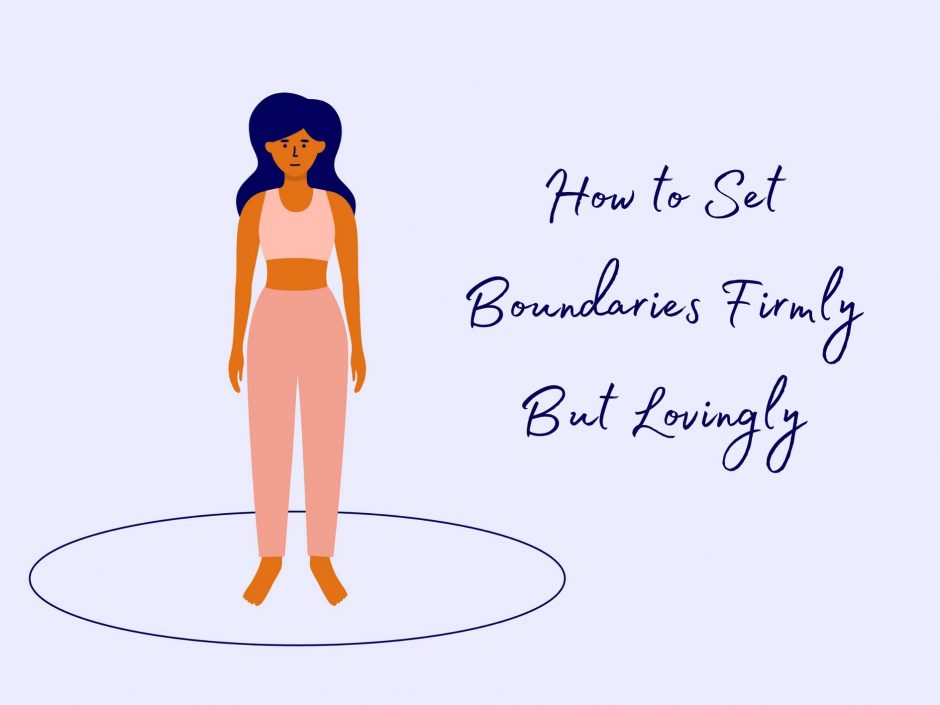
How to Set Boundaries Firmly But Lovingly

The older and more experienced I get, the more I learn that all healthy and loving relationships—romantic, platonic, familial, and even professional—must have good boundaries. But what are boundaries, why are boundaries important, what does setting and holding boundaries in a loving way look like?

This post focuses on romantic and sexual relationships, since that’s my main area of expertise and the theme of this blog. However, many of these tips for setting boundaries can apply to any type of relationship.

What Are Boundaries?

Love is Respect (a fantastic resource on healthy relationships aimed at young people) has this to say:

Boundaries are really about your relationship with yourself; they help you honor your needs, goals, feelings and values. Boundaries can be emotional, physical or even digital.

Love is Respect

In other words, boundaries are about the things that are yours and over which you have ultimate say. Access to your body, your time, your home, your property, emotional or physical intimacy with you, and even your digital spaces are all areas where boundaries are essential.

Boundaries are not weapons, rules under another name, or things you should wield to punish someone else. They are ultimately about what you will you and how you will respond to certain situations. “I won’t stay in a relationship with someone who is unfaithful” is a boundary. “I don’t trust you, so you have to let me go through your phone whenever I want” is not.

Why Are Boundaries Important?

Good boundaries are a crucial component of taking care of yourself. Without strong boundaries, you are likely to end up feeling used, burned out, or taken advantage of. This can happen even if no-one has any ill intent towards you. Boundaries are one tool we can use to protect ourselves. They help you to keep a strong sense of self, drawing a clear line in the sand between what you will and won’t tolerate, what you will and won’t do, and where you end and someone else begins.

Good boundaries enable true consent to exist. A person can only give a meaningful yes (to sex, a date, a new project or responsibility, or even just a conversation) if they also have the ability to safely say no. Good boundaries allow us to say yes when we mean it, and no when we need to.

What Do I Mean By Loving Boundaries?

When I talk about “loving boundaries,” I am talking about setting and holding boundaries in a way that enables strong, healthy, and loving relationships to flourish.

If you’ve historically been bad at setting and maintaining boundaries, it can be difficult to know where to start. You might worry that people will be upset, angry, or disappointed when you start to set boundaries with them. You might even be right! But that just makes those boundaries even more important. And in a healthy, loving relationship, your boundaries are gifts to your loved ones. They are a guiding light in how to love you and how to help you love yourself.

There are times, unfortunately, when setting loving boundaries won’t work. If someone is determined to violate your boundaries, you might need to be firmer or impose harsher consequences for overstepping them, such as ending a relationship or telling them to leave your space.

Here are a few of the strategies I’ve found most effective in setting and holding loving boundaries. Hopefully some of them will work for you, too.

Use “I” Statements When Setting Loving Boundaries

Boundaries are about you, so use “I” statements when you set them as far as possible. This can help prevent the other person from getting defensive or pushing back against what you’re saying. It also reduces the likelihood that they’ll hear your boundary as blame, a punishment, or shutting them out.

Here are a couple of examples:

“I’d love to cuddle with you but I don’t want to have sex tonight.”

“If I’m in my office with the door closed, I’m focusing on work and only want to be interrupted if it’s an emergency.”

Use a Calm Tone of Voice

Loving boundaries should be communicated calmly as far as possible. This can help to keep the boundary conversation respectful and positive. Raised voices, name calling, or an accusatory tone are all likely to make them defensive before you’ve had chance to make your point.

It might sometimes be necessary but as a general rule, the middle of an argument isn’t a great time to have a positive discussion about your boundaries and needs.

Here’s a low-stakes example: imagine you’ve had a tough day and you just want to zone out on the couch by yourself for a while, but your partner wants to chat about something non-urgent. Consider the difference between “ugh, go away!” and “honey, I need a little space to myself right now, can I check in with you in half an hour?” One is brusque, harsh, and likely to make your partner feel unwanted or scolded. The other calmly tells them what you need and when they can expect you to re-engage.

Assume the Other Person is On Your Side and Wants to Support You in Setting and Holding Boundaries

Unless you have very clear evidence to the contrary, assume that the other person is on your side and cares about you. This means that they wouldn’t want you to overextend yourself or say yes when you really mean no. Part of loving you is supporting you in setting and holding boundaries.

Assuming you’re on the same side will help you approach boundaries as a necessary self-care step for yourself, and not as something you’re doing to the other person. It can also be self-fulfilling; if you signal to the person that you expect them to be understanding and respectful, they’re more likely to want to live up to that expectation by responding appropriately.

Consider When to Compromise (and When Not To)

Compromise is essential in healthy relationships. This means you might not get 100% of what you want in every situation. If your needs conflict with your partner’s, it can be useful to have a frank conversation and try to come to a compromise.

However, you should never compromise on a firm boundary. If you’re someone who (like me) tends towards people-pleasing, what the other person thinks is loving compromise can look like you conceding your boundaries to keep the peace. Don’t do that.

Directness is Kindness: Loving Boundaries Are Not Ambiguous

One of the biggest headfucks in a relationship can be not knowing where you stand or what the other person needs. By making someone guess at your needs or hiding your true feelings, you’re not doing them any favours. People who care about you would rather know what’s going on with you. Setting and holding firm boundaries is more loving than being vague.

Being direct gives the other person the gift of knowing you better and having clear information about what you need. Clarity, specificity, and directness are essential when it comes to boundaries.

Model Respect for Others’ Boundaries

In a healthy relationship, both (/all) people have their boundaries lovingly heard and respected. So as well as setting and holding your own boundaries, you need to listen to and adhere to theirs.

You Get to Have Boundaries Even If Someone Else Doesn’t Like Them

You might do everything right when you set your boundaries, and the other person might still be upset. While you can sympathise and work with them to get both your needs met, their feelings about your boundaries are ultimately not your job to solve.

If someone becomes very angry or upset about a reasonable boundary, it might be because they felt (consciously or subconsciously) that they were owed a certain level of access to you. This is a huge sign that the boundary was necessary! Stand firm in holding your boundaries. If they’re consistently disrespected, it might be time to rethink the relationship.

How Audio Erotica is Making Smut More Inclusive

Sofia Sins logo

There are various different ways to consume erotic content, from written stories to visual pornography. Audio smut has rapidly emerged as a popular third option. Audio erotica from platforms such as Sofia Sins is making smut more welcoming, more inclusive, and more enjoyable for everyone. 

More Ways to Consume Erotic Stories

Many people find written or visual porn inaccessible for various reasons. For people who are blind or visually impaired, many traditional porn videos are likely to be somewhat or completely inaccessible. While many sites offering written stories can be used via a screen reader, that’s not necessarily a super appealing option.

But audio erotica opens up a whole new avenue of accessibility and enjoyment. The best audio smut is narrated by skilled voice performers with sexy voices (which can, of course, mean different things to different people.) Because quality erotica is for everyone, regardless of ability and regardless of whether they choose to watch it, read it, or listen to it. 

Audio Smut is Often Pleasure Focused and Sex Positive 

Whenever I’ve engaged with audio porn I’ve found the stories to be pleasure-focused, consent-minded, and generally sex positive, featuring mutually pleasurable sexual scenarios. This isn’t true across the board, of course, but it’s been the case more often than not in my experience.

So much mainstream porn is focused on male pleasure and the male gaze. But audio smut creators understand that women, non-binary folks, and queer people want quality erotic material just as much as cis men do. And they’re giving it to us.

I’ve also found that audio porn trends much less towards using dehumanising terminologies and categorisations. Mainstream porn sites often use terms that are problematic at best, and downright sexist, ageist, racist, or transphobic at worst. I haven’t encountered the same issue nearly as much in the audio smut space. 

Audio Smut Offers More Options for Creative Scenarios

Don’t get me wrong, porn makers and performers can get very creative! But ultimately, visual content will always be limited by what’s possible (and affordable) to pull off on screen. Audio erotica, though, allows for almost anything that the writers and creators can dream up.

So if immersing yourself in a futuristic, fantastical, or historical scenario sounds up your street, or you fantasise about sexual acts that are physically or biologically impossible or simply impractical to live out in reality, you can find all of those things and so much more. 

Sofia Sins Audio Erotica: A Discreet Option

You wouldn’t watch visual porn while on the Tube or while walking to work, right? And while it’s possible to sneakily read written erotica via a Kindle or smartphone app, there’s always the danger of someone looking over your shoulder. Discretion is required when consuming erotic content. The people around you didn’t consent to be exposed to it.

Audio smut, though, is easy to enjoy anywhere. Just choose your story, pop your headphones in, and no-one will be any the wiser. You could be listening to the morning news or a perfectly innocent podcast, for all anyone around you knows.

This is also particularly useful for those who need privacy because they live with family or have roommates or children at home.

Audio Smut Mitigates Many Ethical Concerns

There’s a huge amount of feminist, queer, consensual and ethical porn out there. I rarely watch porn but when I do, I prefer to access it either from trusted ethical producers or from independent producers who create, share, and sell their own content.

For the average consumer, though, the large free sites are still by far the most popular way to access porn. And while these sites do contain some good and ethical content, they’re also rife with stolen, non-consensual, and abusive material.

If you’ve ever watched mainstream porn and wondered whether the performers are really consenting or whether they’re being abused or coerced, you’re not alone. It’s a real and valid concern. Audio smut removes many of these potential harms.

Audio Smut Allows You to Insert Yourself Into a Fantasy

One of the biggest downsides of watching porn is that I can’t often find scenarios I find hot with bodies that look like mine or like the people I find most attractive. This makes it hard to get immersed in the fantasy.

But when all I’ve got is a voice, I can envision the main characters looking however I want them to look. Instead of the narrow and normative beauty standards set by mainstream porn, you’ve suddenly got a whole world of potential. 

Audio smut makes it easier to mentally put yourself into the scenario. Since the action all takes place in your ears and your mind, you can immerse yourself and place yourself into whichever role takes your fancy. Do you want to be the whip-wielding Domme? The helpless maiden? A member of the couple exploring group sex for the first time? Now you can.

Sofia Sins actually takes this premise a step further. When you choose the story you want to listen to, you can read a little bio for each of the main characters and decide whose perspective you want to hear. 

FYI: today’s post was sponsored by Sofia Sins audio smut subscription platform with subscriptions from just $29.99 per year. All views, as always, are my own! 

What is Ethical Porn and How Can It Enhance Your Sex Life?

I have no problem with porn, but I do have a pretty big problem with the mainstream porn industry. The largest and most dominant pornographic sites have come under fire for hosting non-consensual material including so-called “revenge porn” (i.e. image-based abuse) and even child abuse material. They also often steal content from indie and amateur creators. But all porn isn’t like that and there is an alternative. If you’ve never explored ethical porn, you’re missing out. But what is ethical porn all about and how is Bellesa bringing it to more bedrooms?

Bellesa Plus ethical porn streaming platform

Today I’m spotlighting ethical porn platform Bellesa Plus, a streaming platform that calls itself “The Netflix of Porn” with prices starting from $3 per month. The higher prices offer special perks, such as free sex toys and gift cards to the Bellesa Boutique (BBoutique), but the low entry point means you can enjoy more ethical adult content even if you’re on a budget. 

But What is Ethical Porn?

As with many of the things we consume, from food to media, people are becoming more and more concerned about the ethics behind their porn. Untangling exactly what constitutes ethical porn can be a minefield, especially given that the porn industry is still often defending its right to exist at all. 

Here are four things that I believe go into making porn ethical. These are bare minimum standards, not a comprehensive framework; the porn industry is massive and complicated, and this issue is far too nuanced to sum up in a single post.

This might seem like a bare minimum standard, but it’s missing from a shocking amount of mainstream porn. 100% of Bellesa’s content features consenting adults having consensual sex that has been consensually filmed. 

Performers have the opportunity to negotiate with their partner before filming starts, exploring their likes and dislikes. If a scene involves roleplay, performers will receive a brief about their role in plenty of time to ensure they’re comfortable with it. 

Ethical Porn Centres Chemistry and Connection

I don’t watch porn very often. I tend to prefer my erotic material in written form. When I do watch porn, I often gravitate towards amateur content because it feels so much more authentic. Whatever the specific acts that they’re engaging in, ultimately I want to watch people who truly like (or even love) each other having hot sex that they’re genuinely enjoying. 

Many mainstream porn studios don’t give performers much choice who they work with. Part of Bellesa’s ethical framework involves pairing performers who truly have chemistry and actually want to have sex with each other. Because real connection and attraction makes for much hotter content and a much better working environment for the performers. 

Women as Subjects, Not Objects 

One of the things that will turn me off the fastest in any porn scene is seeing women being objectified. This is apparent in everything from the naming of scenes to the ways in which female pleasure is explored (or, often, ignored.) 

Ethical porn puts the pleasure of all participants front and center. Ethical porn depicts women as full human beings with their own desires and erotic agency. In other words, subjects of pleasure, not objects to be acted upon. Bellesa porn is directed and produced by women, headed up by the inimitable Jacky St. James. 

A Safe and Respectful Working Environment

Making pornography is work, and hard work at that. Performers deserve a safe working environment just as much as employees in any other industry. 

This can be as simple as prioritizing their comfort on set, such as making sure they’re well fed and hydrated. Sexual safety is important too, whether that’s ensuring plenty of lube is used or carrying out rigorous testing for STIs and COVID-19. And, of course, performers must retain the right to say no or to call “cut” on a scene for any reason.

Performers should also be fairly compensated for the work they do. Many porn performers say they love their job, but it can also be physically and emotionally taxing at times. Performers are workers and deserve to be paid a fair rate. 

How Ethical Porn Can Enhance Your Sex Life 

Despite what naysayers might say about it, I believe that porn can be a healthy and positive addition to your sex life, whether you’re single or partnered. When you make a point of consuming ethical porn, you can feel good about your viewing habits.

Here are three ways ethical porn can enhance your sex life. 

Get New Ideas

I recently experimented with a new kink activity with my partner. Why? Because I saw this specific act in a porn clip, thought it looked hot, and asked him if he’d be willing to try it with me.

Good, ethical porn has the potential to introduce you to new kinks, activities, and ways of having sex that you might never have thought of before. While you might not want to try everything you see, some things are sure to resonate. 

One of the things I love most about human sexuality is its infinite variety. Every single day, people are having sex in endlessly creative ways, many of which I’m sure I’ve never even thought of (and you probably haven’t, either!) Ethical porn gives you a consensual window into other people’s bedrooms and allows you to draw inspiration from what you see. 

Enjoy Things You Can’t Do in Real Life

Perhaps there are things you fantasize about but can’t (or don’t want to) do in real life. For example, you might be a bisexual person in a monogamous relationship with a different-gender partner. Watching porn can allow you to express your attraction to same-gendered people without changing the relationship you have with your partner. 

Or maybe you have a particular fetish that your partner doesn’t share. If your relationship agreements don’t allow for getting that itch scratched with others, porn featuring your kink is another ethical and safe sexual outlet. 

It’s also valid to enjoy things in fantasy that you don’t want to do in real life. Let’s say you fantasize about gangbangs but consider the idea too risky to carry out in reality. Ethical porn is a wonderful way to enjoy your fantasies in a safe way that doesn’t carry any of the real-world risk that might come with realising them. 

Boost Your Desire

For many people, including me, arousal begets arousal. In other words, the more you masturbate, have sex, or consume erotic media, the more you’ll want to. The anti-porn crowd would say this is a bad thing, but I believe it can be just the opposite! After all, sexual pleasure is healthy and orgasms are good for us. Why not seek a little more of both in your life? 

So if you’re looking to get in the mood more often or more easily, pulling up your favourite steamy scene can help make that happen. Whether you watch alone or with a partner, the right porn can help to fire up your libido when it needs a little extra help. 

Want to Explore Ethical Porn?

If so, grab yourself a Bellesa Plus ethical porn subscription. You’ll get access to top content from 50+ premium porn channels, unlimited 4K streaming, access to interactive sex education content, and unlimited access to over 600 erotic stories. You’ll also enjoy 24/7 support, discreet and secure billing, and an ad-free viewing experience. 

Best of all, you can get off to some of the hottest content you’ll find anywhere, and know that you’re supporting a company doing good in this industry. 

Bellesa Plus ethical porn logo

FYI: this post was sponsored by Bellesa. All views, as ever, are my own. 

Why Do People Like Pain? 5 Common Reasons Behind Sexual Masochism

You absolutely don’t have to like pain, sexually or otherwise, to do BDSM. There are plenty of kinky things you can do that don’t involve pain play at all! From gentle dominance to sensual play, praise kinks, chastity, and beyond, there are all kinds of ways to get kinky without needing to give or receive pain. With that said, lots of people do enjoy a little (or a lot of) ouch with their kink. So why do people like pain?

People who like pain sexually are called masochists. Sexual masochism is still quite stigmatised, but it’s also pretty common. Masochism is not inherently disordered, or unhealthy. As long as you are engaging with your masochistic desires in a risk-aware and consensual way with other adults in an appropriate setting, there’s nothing wrong with it whatsoever.

By the way: masochists aren’t aroused by all pain in all circumstances. I might enjoy a partner paddling my ass, but I hate stubbing my toe or walking into things as much as anyone (which is annoying, because I’m clumsy.)

Why Do People Like Pain?

I can’t give you a comprehensive answer to this question, because sexual masochists are all unique people who enjoy pain in different ways and for different reasons. With that said, here are a few of the main reasons I’ve encountered why some people find pain sexually arousing.

They Enjoy a Challenge

Some people like light pain play, staying well inside their comfortable level of tolerance. Others prefer to push their boundaries. For these players, the challenge can sometimes be the point. It can give them an endorphin rush and a sense of accomplishment.

Some say that an intense pain play scene is a bit like pushing yourself through the last half-mile of a particularly intense run, only a lot more fun. (I fucking hate running. Kink over marathons any day, thanks!)

Taking Pain as An Act of Service

Ultimately, partners should only ever inflict pain on us because we want them to. Otherwise it would be abuse! However, in the context of carefully negotiated scenes and clearly defined limits, taking pain “for” someone else as an act of submission or service can be highly erotic and satisfying for some kinksters.

Pain Can Alter Your Headspace

Some people like pain not just for how it feels physically and sexually, but for what it can do to them mentally. Physical sensations can help us get into a particular mental zone or headspace. Many submissives find that pain inflicted by a dominant partner can help to alter their mental state or even put them into subspace.

For me, one of the most interesting questions while negotiating a kink scene is “how do you want to feel?” Perhaps you want to feel cherished, challenged, scared, safe, taken, useful, or something else entirely. Pain, depending on how you use it, can help you to get into any of these headspaces and many more.

It Gets Them Out of Your Head

One of the reasons I like sex in general, and kink more specifically, is because it pulls me out of my head. As a writer and an overthinker with ADHD, I live perpetually in my head. It’s loud in here. In the right context, the physical sensation of consensually-inflicted pain can help to turn down the volume and ground me in my body instead of my brain for a while.

Pain Can Get You High (Kind Of)

Sometimes the reason why people like pain is physiological. Pain causes the central nervous system to release endorphins. These powerful hormones are the body’s feel-good chemicals which are also released in response to all kinds of pleasurable experiences, from eating delicious food to having an orgasm. Endorphins can produce a profoundly euphoric effect, which some liken to a natural high.

Endorphins also act as pain relievers, by the way, which might account for why some masochists’ pain tolerance goes up as a scene progresses.

Why Do People Like Pain? Sometimes They Just Do

Sometimes kinks just are what they are. There isn’t always a strong reason why a person enjoys a particular sensation or type of play, and that’s okay. If you like pain, sexually or otherwise, you might know exactly why or you might have no idea. Either way is fine!

Learn More About Pain on Purpose and Why People Like It Beyond the Bedroom

This post is primarily about sexual masochism. However, the bedroom isn’t the only place that people engage intentionally with things that hurt. If you’d like to learn more about why people like to do things that cause pain, from ballet to eating hot chilli peppers to running ultramarathons, I highly recommend the book Hurts So Good: The Science and Culture of Pain on Purpose by Leigh Cowart.

FYI: affiliate links appear in this post!

There is No Time Limit: Exploring Your Sexuality Later in Life

I occasionally receive questions from readers who are wondering if it is “too late” for them to enjoy some aspect of sex or relationships. Some haven’t had their first sexual experience by the time they reach their 20s. Others are realising they’re queer or trans and coming out in their 40s. Some are considering trying polyamory, exploring kink, or experimenting with group sex for the first time in their 50s, 60s, or even later in life. Regardless of your reasons for exploring your sexuality later in life, I’m here to tell you this: there is no time limit.

You can have amazing sex at any age or stage of life, including if you’re a “late bloomer.”

You can find love after the age of 35. Yes, even if you want to get married. Yes, even if you want to have children.

Polyamory, kink, group sex, and all those other wonderful adventures aren’t just for youngsters. You can have your first orgasm in your 30s or 50s or 70s or 90s.

Why Exploring Your Sexuality Later Can Be Beneficial

I understand that it’s hard, and daunting to feel like you’re running late. Though it might not seem like it, exploring your sexuality later in life can give you some advantages. There are times when it can be beneficial to have a bit of life experience behind you.

It’s true that a lot of people are now finding sex positive communities and the resources they need to explore their sexuality earlier in life. In large part, this is thanks to the internet. I discovered polyamory and kink in my late teens. There was a time when I’d be the youngest person in any sex positive space I entered by at least a decade. I don’t think new adults exploring these spaces generally have the same experience today.

For a long time, I was grateful to have found these communities early and experienced so many things so young. Now, though, my relationship with that time in my life is more complicated. In some ways, I wish I’d put off exploring sex until a little later in my life.

I’m glad I’ve had my entire adult life to explore. But looking back with the wisdom and knowledge of a woman in her 30s? I can see the ways that I was tremendously vulnerable back then. I’d walk into a room, young and wide-eyed and so naive, and I might as well have had a sign over my head saying Fresh Meat. The way some of the men looked at me, when I was barely out of high school, is no longer something I recall with pride but something that makes me shudder. I spent a lot of time in those early days fending off the advances of men ten or twenty or thirty years older than me. Or not fending them off and falling into situations I was wildly ill-equipped to handle.

It was all kind of fun… until it wasn’t. I had some amazing adventures, but I also picked up a lot of new traumas. I’m saying all this to illustrate that the knowledge and wisdom that comes with being older can be a huge asset. It can help keep you safe, healthy, and boundaried when you’re exploring your sexuality later in life.

4 Tips for Exploring Sex Later in Life

Whatever your story and whatever the reason you’re exploring relationships, pleasure, identity, or sex in later life, the first thing I want this post to do is give you a sense of permission. To let you know that you’re welcome and it’s not too late for you. But I also thought some tips and suggestions might be useful. As always, pick the ones that work for you and leave the ones that don’t.

Give Yourself Permission to Be a Beginner

No matter your age or prior experiences, there’s no shame in being new to something. That includes sex, relationships, dating, queerness, kink, masturbation, pleasure… all of it. Something a lot of people find helpful is to approach whatever aspect of sexuality they’re exploring as if it were a new hobby.

You wouldn’t sit down at a piano for the first time and expect to play a flawless Beethoven sonata. You wouldn’t go to your first ever language class and expect to come out speaking fluent Italian. Sexuality is just the same. None of us are born knowing this stuff. As long as you’re breathing and curious there’s always, always, always time to learn.

Being a beginner isn’t shameful. It’s a beautiful sign that you had the courage to step out of your comfort zone and learn something new.

Get Educated About Sex, Relationships, Pleasure, and Your Body

Depending on your age and where you grew up, your sex education was likely somewhere on the spectrum from “lacking” to “non existent.” If you’re exploring sex or relationships later in life and feel like you don’t know all that much about your sexuality, your body, or what you enjoy, that’s no reflection on you. But it is something you can take control of! This might include some unlearning, letting go of old narratives, and releasing shame that isn’t serving you.

Check out the resources section below to help you get started.

By the way: don’t forget to learn about sexual health, too. Even if pregnancy is no longer a concern for you, you’ll still need to understand how to protect yourself and your lover(s) from STIs.

Embrace the Power of “I Don’t Know Yet”

It can be daunting to be asked questions like “what do you like?” or “how do you identify?” and not know the answers. But not knowing is part of the journey, and it’s okay not to know! It’s also okay if your answers tomorrow, or a year from now, or ten years from now are not the same as they are today. Change, growth, discovery, and rediscovery are all part of this process.

Meet Your Body Where It Is

Your body may not be the same now as it was ten or thirty or fifty years ago. It’s normal to feel some complicated feelings about that, but ageing or disability needn’t be a barrier to enjoying your sexuality in its full glory. If you’re exploring sex later in life, it’s important to get to know your body as it is now.

Get curious. Learn about your responses and desires and the reality of your current body. Practice radical acceptance of your body and yourself. You might need to expand your definition of sex and pleasure (it’s not all about penetration!). Navigating sexual side effects, such as a drop in libido or anorgasmia, can also be issues for folks of any age who take some medications.

Pro tip: tools like a good lube, positioning aids, and smart sex tech can be game-changers at any age.

Resources for Exploring Sex Later in Life

Whether you’re exploring your sexuality in your 20s, your 80s, or anywhere in between, check out some of these resources to learn more.

If You’re Ready to Explore Sex in Later Life, You’re Right on Time

We all have a finite amount of time on this planet. But as long as we’re still here, there’s no time limit on learning, exploring, adventuring, experiencing.

Tomorrow is always a new day. No matter your age or your experiences so far, you can always wake up and decide that you want to do something differently. You can try something new, learn something new, chase some new dream.

Sex, relationships, love, pleasure… they’re for everyone who wants them. You don’t have to have had your first sexual experience by 20, met your life partner by 25, got married by 30, or discovered kink while you’re still young enough to attend the “Under 35” munch.

We all come to things at different stages and for different reasons. Wherever you are in your journey and whatever your reasons for exploring your sexuality later in life, those of us in the sex positive community are waiting to welcome you. You’re not too late. I promise.

Sexual Side Effects: How to Have Sex if Medication is Getting in the Way of Your Pleasure

Unfortunately, sexual side effects are incredibly common with numerous types of medication. Antidepressants and other mental health medications including SSRIs and MOAIs, blood pressure medications, ADHD medications, and certain hormonal therapies are just some of the commonly prescribed medical treatments that can affect sex drive, orgasm, and sexual function.

Sexual side effects can include loss of desire, low arousal, erectile issues, pain during sex, and anorgasmia. Obviously, not everyone who takes medication experiences these issues and not everyone will experience them to the same extent. They can also naturally occur as a result of ageing, stress, physical health issues, and so on. But they are super common. In this post, I’ll share some strategies that can help you to manage them and continue to access sexual pleasure, if you want to.

Note: I am not a medical professional, so I have kept my advice here to sex and relationships advice, not medical advice. If you have any medical concerns or queries, see your doctor.

Talk to Your Doctor About Sexual Side Effects

You shouldn’t have to choose between the right medication and a happy and pleasurable sex life. You should be able to have both! So if you’re suffering from sexual side effects, talk to your doctor. My doctor once told me to stay on my antidepressants even though they killed my sex drive and appetite. I ignored that advice and ultimately switched to a different doctor (and a different drug.)

A good provider will work with you to find a medication solution that helps you without damaging your sex life. This might mean adjusting your dose, trying a different drug, or implementing other strategies to combat the sexual side effects. If your doctor dismisses you or doesn’t think sexual pleasure is important, go to a different doctor.

Sex matters. For many of us, it’s a quality of life issue. You deserve to get medical support and be taken seriously.

Get Creative and Expand Your Definition of Sex

Perhaps you can’t or don’t want to change your medication right now (or ever), but you also want to start enjoying sex again. If so, I invite you to think about your definition of sex. When you think of sex, are you thinking exclusively about penetrative intercourse or another specific activity?

Getting creative, exploring different kinds of touch, and expanding your definition of sex can all be great ways to sidestep sexual side effects and find new ways to access pleasure and sensuality.

What if sex didn’t need to involve penetration? What if there was no pressure for anyone to have an orgasm, and you could just enjoy touch and sensation without racing towards any particular goal? If it didn’t matter whether a cock got hard or a pussy got wet? Paradoxically, removing the focus from things like penetration, erection, or orgasm can actually make those things easier. Don’t underestimate the power of taking the pressure off.

Intimate connection doesn’t even need to involve your genitals! What if you spent an entire session just kissing and making out, focusing on nipple play, trading massages? What if a kink scene, whether that involves flogging or shibari or candle wax or sensation play or power exchange, was the main event rather than an appetiser? When you step away from what you assume sex is, you discover all the things pleasure can be.

Experiment with Toys

Sex toys are amazing for so many reasons! (That’s why I turned talking about them into a career.) One of the ways they’re amazing? They can help to overcome or navigate sexual side effects by offering different kinds and intensities of sensation.

If you’re struggling with a loss of sensation, powerful vibrators can help. When I suffered from anorgasmia and a reduced sex drive due to antidepressants, a wand vibrator helped me to break through the block. Some people with a clitoris find that the focused intensity of suction toys works well when sensitivity is low. If you have a penis and your medication makes it difficult to get or stay hard, a toy like the Hot Octopuss Pulse – which can be used from either erect or flaccid – can be a great choice. If you want to have penetrative sex, a strap-on, fucking machine, thrusting toy, or dildo can facilitate it.

If pain during sex is an issue, toys and accessories can also help. The OhNut is an amazing invention that limits the depth of penetration with a penis or dildo, and dilators can help to gently stretch and relax your vaginal tissue.

Explore Self-Touch

Learning to navigate sexual side effects and adjusting to your body’s new normal can be a process. Whether or not you have a partner, this is a great time to explore self-touch. You might want to experiment with masturbating in different ways (such as in a new position or with toys), experiment with mindful masturbation, or perhaps just touch your body in whatever ways feel good to you.

Talk About Your Sexual Side Effects with Your Lover(s)

Too many of us have, at some point, struggled through sex that was not pleasurable or even sex that was painful. Perhaps we felt pressured, perhaps we didn’t want to let our partner down, or perhaps we believed that maybe we’d “get into it” if we just kept going. I understand the urge, but you deserve so much more than suffering through uncomfortable or painful sex.

A partner who loves and respects you will want to understand your experience and support you. Great sex with a partner is a collaborative process. It begins with honesty and vulnerability, so – as long as you’re in a safe and trusting relationship – talk to your partner(s) about how you’re feeling, what’s going on for you, and how you’d like to address it. If you want them to do or not to something specific, ask for it. If you just want their patience and understanding while you adjust, ask for that.

Fight Shame and Self-Blame

Sexual side effects often bring a lot of shame. You might feel as though there’s something wrong with you, or worry that you’re letting your partner(s) down. Some people even feel as though their masculinity, femininity, or sense of sexual identity is threatened.

There is absolutely no shame in what you’re going through right now. Orgasm problems and loss of sex drive are still stigmatised and, unfortunately, so are certain types of medication such as antidepressants. However, please try to avoid getting into a shame cycle or blaming yourself. But sexual side effects are incredibly normal, and most of us will be on medication that will impact our sexuality at some point in our lives.

If you’re struggling with shame, reach out to others who have had similar experiences, ask your partner(s) for reassurance and support, or talk to a therapist.

Check Out These Resources to Help You Navigate Sexual Side Effects

Wherever you are in your journey with medication and navigating sexual side effects, these are a few resources I recommend. As always, pick the ones that sound most useful to you!

If you find my work useful, you can help me keep doing this by buying me a coffee! This post contains affiliate links.

Five Lessons I’ve Learned About Reclaiming Pleasure After Sexual Assault

Pleasure can be far from simple for all kinds of reasons, and after sexual assault or other kinds of sexual trauma, finding joy in intimacy and in your sexuality again can feel like an insurmountable task.

Disclaimer: I’m a survivor and a trauma-informed sexuality writer and educator. I am not a psychotherapist, psychologist, or any form of medical or mental health professional. Nothing here can or should replace competent, professional advice and support.

The first and most important thing I want you to take away from this post is this: your journey is your own and wherever you are now is okay. There is no correct way to recover from sexual trauma and there is no set path. Everyone’s experience is different and numerous factors impact healing.

This is not a how-to guide. It’s just a set of lessons I’ve learned that have helped me in my ongoing journey towards healing. Maybe they’ll help you too. Or maybe you’ll find something completely different that works for you! Either way is wonderful.

Pleasure and Intimacy After Sexual Trauma is Not a Linear Journey

Recovery is not a straight line. You won’t just get better and better each day until suddenly you wake up and find that you’re fully healed. At least, I don’t know any survivors whose experience has been this way.

You’ll have good days and bad days. Sometimes you might feel like you take two steps forward and one back. All of this is normal. Intimacy after sexual trauma is complicated, multi-faceted, and messy. You don’t need to berate yourself if it’s harder today than it was yesterday.

Be where you are today. Wherever that is, it’s okay.

A Healthy Sexual Relationship With Yourself Can Be Immensely Healing

Sex doesn’t have to involve another person unless you want it to. In fact, masturbation and other forms of self-touch, both sexual and non-sexual, can be a valuable part of healing from sexual violence and reclaiming pleasure as a radical act of self-love after trauma. Reclaiming intimacy after trauma includes intimacy with yourself.

Masturbation and solo sex is something you do entirely for yourself. You don’t have to perform or worry about pleasing someone else. You don’t even need to involve your genitals at all, if you don’t want to. The only agenda is to touch yourself in the ways that feel good, and stop when you want to stop.

Self-touch is a wonderful way to get to know ourselves, to be kind and loving and gentle with ourselves. Pay attention to your body and what feels good. Do you just want to run your hands over your skin for now? Perfect, do that. Does using a wand vibrator through your clothes help you access pleasure in a way that feels safe? Amazing.

Healing From Trauma is For You and You Don’t Owe Your Sexuality to Anyone

Many survivors feel anxious to recover from or “get over” their trauma because they want to be able to give their partner sex (or certain kind of sex.) Sometimes this pressure comes from the partner. Other times, the partner is completely supportive and this pressure is internal.

Either way: your healing is for you. Your trauma is yours and your sexuality is yours. You don’t owe it to anyone.

Yes, it’s wonderful to be able to share awesome sex with your partner(s) if you want to. But reclaiming intimacy after trauma has to be for yourself first. No-one has the right to access to your body. Not even if you’ve been married for fifty years.

You can heal with other people. In fact, love and support are essential for recovering from trauma. But you can’t heal for somebody else, and you don’t owe your partner(s) a certain kind of recovery.

There is No “Correct” Version of Healthy Sexuality After Trauma

Pleasure is personal and it can look countless different ways. A healthy relationship with your sexuality means something different to everyone.

Sadly, a lot of people still believe that the only correct sex is penetrative, heterosexual, monogamous, vanilla, and within the context of a serious relationship. Survivors of trauma who identify as queer, non-monogamous, kinky, asexual, demisexual, or highly sexual may find themselves pathologised, with professionals and loved ones alike attributing their identities and experiences to their trauma. This is tremendously damaging to survivors and is another form of taking away our agency.

Reclaiming pleasure after trauma means that you get to decide how your sexuality looks. If it’s happy, risk-aware, and consensual, you’re doing it right.

The Hardest Lesson About Intimacy and Pleasure After Sexual Trauma: Some Things Might Never Go Back to the Way They Were

I still grieve for the Amy who never met her abuser. I still grieve for the version of me who didn’t get pressured into sex in her teens, who didn’t lose half her twenties to psychological abuse, who didn’t get raped at a party in her thirties. Honestly? I will probably always carry that grief.

When it comes to reclaiming pleasure and intimacy after trauma, the hardest thing for me to learn was that some things will never be the way they might have been in that alternate timeline.

Because abuse, assault, violence? It changes us. It has a deep, profound, and lasting impact. I know that the things I’ve experienced will, in some ways, be with me forever. I’ll never go back to the way I was before.

But I am starting, in some small ways, to be okay with that. Nothing stays the same forever, and every experience we have shapes and molds us. So no, I’ll never be the person I might have been without those experiences. But I can grow into someone else. She might even be someone great.

If you need crisis support after sexual violence, please contact RAINN in the USA and Rape Crisis in the UK.

What is Consent? 10 Fundamentals Everyone Needs to Understand

Most of us think we know what consent is in sex, relationships, and beyond. But when you start to look at it more closely, the “what is consent?” question becomes murkier and far more complex. That’s why I’ve put together a quick consent 101 with ten fundamentals you need to know.

If you asked most people what consent is, their answer would likely relate to sex. And yes, sexual consent is obviously vital. But if we only apply consent to sex, we’re missing out a lot of vital steps.

Instead, I’d like us to think of consent as something we apply in all areas of our lives. If your child doesn’t want to hug or kiss a relative, don’t make them. When your partner tells you they hate being tickled, don’t take it as a challenge. If your friend has decided to quit alcohol, don’t push them to drink. And so on.

If we normalise respecting people’s choices and autonomy in all areas of life, it becomes easier to normalise informed consent as a minimum standard for sex.

Consenting to something in one context doesn’t imply that the person consents to it in another setting or situation. I might love my partner casually grabbing my ass in the kitchen while we’re cooking dinner. That doesn’t mean I want them to do it when I’m on a work call.

Never assume that consent in Context A implies consent in Context B. If you’re not sure, ask.

Consent is inherently person-specific. In other words, consenting to something with one person doesn’t mean you’ll agree to it with someone else. This one should really be self-evident. Unfortunately, in a world where prior consensual sexual activity with someone else is still widely used to discredit survivors of sexual violence, it still needs reiterating.

Consent is as much about what happens when someone says “no” as when they say “yes.” To be meaningful, consent must be revocable. In other words, all parties must be able to stop an activity or interaction at any point.

Even if you’re in a 24/7 D/s relationship, consent is never, ever irreversible. If consent can’t be revoked, you don’t have a relationship, you have a hostage situation.

Consent that’s given without all pertinent information isn’t really consent at all. Lying, deliberately omitting information, or misrepresenting the situation to obtain consent renders it meaningless.

Consent to Activity A doesn’t imply consent to Activity B. If I’ve consented to kiss you, that doesn’t mean you can touch my genitals without asking. If I say you can tie me up, that doesn’t mean you also get to spank me unless I say you can.

Never assume that someone is up for something based on their having consented to something different. If there’s any doubt, ask or check in.

Consent is active, not passive. A lack of saying no is not a yes. Sadly, I still hear “well, they didn’t say no” used as a defense for violating consent.

Is the other person actively engaged in whatever you’re doing together? Are they responding positively? If not, pause and check in. If they shrug, say something non-committal, go quiet, or otherwise seem uncomfortable, stop.

Standard sex education in schools is too often based on a “boys push, girls say no” model. This was certainly the consent 101 education I received. But this is a gross over-simplification of what consent is and how it works. This model also harms everyone. It normalises men pressuring women for sex, it completely invisibilises male victims of sexual violence, and it’s cisheteronormative.

Consent is everyone’s responsibility, regardless of gender, orientation, or identity. Everyone needs to learn how to seek consent, how to give or withhold it, and how to accept a “no” with grace.

As a general rule, I’m a proponent of allowing informed and consenting adults to make the best decisions for themselves. However, this principle has its limits. There are some things one cannot reasonably consent to. Following the murder of Grace Millane, the UK outlawed use of the so-called “rough sex defense” in murder trials.

Here’s a great article from my friend Franki Cookney on why this defense is an antithesis to what consensual kink is all about. The bottom line? Fun, consensual kink doesn’t cause serious harm. People cannot consent to GBH or death.

This is the hardest one to swallow, and yet the most essential. We are, all of us, imperfect. I’ve made consent mistakes in the past, and I’m sure you have too.

But making a mistake or fucking up in good faith doesn’t make you a terrible person. It makes you human. Apologise, change your behaviour, and learn from the incident so you don’t cause the same harm again. Doing our best, operating in good faith, and sincerely seeking to improve when you make a misstep is how we prevent small consent mistakes from becoming big violations.