Five Ways I’m Trying to Increase Sustainability in My Femme Style

My identity and presentation as a femme is tremendously important to me. Femme is not just a way of dressing, but a way of sharing who I am with the world. It’s an inherently queer identity and my femme style is a way of living in and embodying my queerness every day. However, like many of us in recent years, I’ve also been thinking more about my impact on the planet and how to express my style in a more sustainable way. So, in collaboration with slow fashion brand IDENTITY LINGERIE, I wanted to talk about some of the changes I’ve made.

Acknowledgement and disclaimer: Before I dive in, I want to acknowledge that to a certain extent many sustainability practices (including those I have listed here) require privileges that many people do not have access to, including money and time. It is also not ultimately possible for individuals to save the planet. The biggest changes must come from corporations and governments. This list is not a prescription or a set of instructions, and you know best what is possible for your life. This is simply what works for me. I’m also far from perfect and frequently fail to live up to the high standards I set for myself. No ethical consumption under capitalism, etc.

Breaking Up with Fast Fashion

Fast fashion—brands that churn out massive quantities of ultra-cheap, throwaway clothing—is one of the world’s most polluting industries. It also exploits workers and harms animals. For all these reasons, I no longer buy new fast fashion items. Sustainable alternatives to new fast fashion if you like a particular style include thrifting pieces, finding alternatives from sustainable brands, or getting creative with items you already own.

Fast fashion brands encourage damaging practices like unnecessary impulse buys, large “hauls” of things that will be worn once or twice (or never worn), and fashions that change overnight.

Buying (and Selling/Donating) Second Hand

I love getting new clothes and shoes, but I actually very rarely buy anything apart from underwear brand new any more. My town has a large number of charity and second-hand shops, and I often find nice pieces at bargain prices there. I also spend far too much time browsing apps like Vinted and Depop and watch-listing things, a small fraction of which I’ll eventually buy. My favourite recent finds include a fabulous leather jacket and some Lucy & Yak rainbow dungarees.

I just had a major clear-out of clothes I no longer wear. I’m going to sell on a few bits, and the rest I’ll either pass on to friends, take to clothing swaps, or donate to charity. That way, they’re not either languishing in the back of my wardrobe or creating more waste, and can instead be worn and enjoyed by someone else.

Of course, second-hand clothing isn’t totally without its issues (delivery emissions when you buy or sell online being the obvious one, and it’s still possible to over-consume thrifted items), but it’s one way to reduce clothing waste and reduce purchases of new items while enjoying style in a more sustainable way.

Buying More Versatile Styles for Sustainable Rewearing

I enjoy getting creative with my presentation. For this reason, I love clothes, shoes, and accessories I can wear multiple ways. One of my favourite dresses at the moment is a simple one that I can dress down with leggings and a cardigan, make playful with fun tights and stompy boots, or dress way up with a petticoat, a waist belt and heels for a wedding or date.

For me, part of the fun of sustainable femme style is creating different looks by mixing and matching the same items in different ways.

I recently got this gorgeous green multiway dress from IDENTITY LINGERIE. IDENTITY is a slow fashion brand that makes lingerie, nightwear, dresses, and more, all while following zero-waste practices. This dress is wearable in so many different ways that it feels a bit like a new dress every time I put it on. The multiway bridesmaid dress trend has been popular for bridal parties for some time, but I think they’re a great choice for anyone looking to get more mileage out of one garment.

Buying Recycled and Upcycled Materials

Materials is a really complicated one when it comes to clothing, and there are no easy answers here. It’s also very, very hard to totally avoid unsustainable synthetic fibres such as polyester, nylon, and viscose. Some natural materials, such as cotton and bamboo, also present issues. The more sustainable alternatives can be expensive and hard to find, not to mention the confusion of wading through the muddy and often conflicting information out there.

One thing I’ve started trying to do, though, is look for more recycled and upcycled materials. This is a great way to support the “rescue” of materials that would otherwise end up in landfill.

For example, I recently reviewed a range of polyurethane (PU) leather accessories. PU is, in itself, pretty terrible environmentally. However, that particular brand manufactures its styles entirely from recycled materials, creating a sustainable alternative use for waste. I’ve also tried some gorgeous eco-friendly lingerie pieces over the years, many of which I still love.

Switching to Eco-Friendly Bathing & Beauty Products

Glitter is, of course, a staple of my personal femme style. But the wrong glitter products can also be hugely harmful to the environment. For that reason, you will only ever find eco-friendly, biodegradable glitter in my makeup bag.

I’ve tried to switch to more eco-friendly bathing and beauty products recently, too, including shampoo bars, mineral sunscreen, and products made without palm oil. This is in addition to my policy of not buying anything that was tested on animals.

Sustainable Style as an Ongoing Project

I’m sure I will keep learning more about sustainable style and eco-friendly practices, adjusting my habits as I go. None of us are (or can be) perfect. What matters is that we learn, grow, and try to do better every day.

IDENTITY LINGERIE gifted me the piece featured in this post. All views and writing, as always, are mine.

How to Respond When Your Partner Discloses Jealousy or Insecurity [Polyamory Conversation Cards #12]

There’s a vast amount of information out there about how to deal with your own jealousy or insecurity in polyamorous relationships (I’ve even added to it myself!) What we see much less of, though, is information on how to handle it when a partner discloses feelings of jealousy, envy, insecurity, or other difficult emotions in polyamory.

In case you missed it, this post is part of a series inspired by Odder Being’s Polyamory Conversation Cards. Once a week or as often as I can, I’ll pull a card at random and write a piece of content based on it. There will likely be some essays, advice pieces, personal experiences, rants, and more! You can read the whole series at the dedicated tag. And if you want to support my work and get occasional bonus content, head on over to my Patreon.

This week’s card asks:

“How would you like your partner(s) to respond when you’re voicing a fear, insecurity or concern?”

Everyone’s answer to this will be slightly different. As always, the best way to learn about how to support your partner(s) specifically is to ask them. With that said, I have identified some common themes that usually help when someone is feeling jealousy, insecurity, envy, a trigger or reminder of a negative past experience, or similar emotions in a polyamorous relationship.

Jealousy in Polyamorous Relationships is Normal, So Be Kind

If you take nothing else away from this piece, I hope you’ll remember this. It’s difficult to express vulnerable feelings such as jealousy or insecurity to a partner in polyamory and, if you meet your partner’s vulnerability with hostility, impatience or derision, they will likely never open up to you in this way again.

Try to meet them with gentleness, compassion, and grace. How would you want someone to respond to you when you were at your most raw? Do that.

Validate Their Feelings and Resist the Temptation to Downplay Them

When a partner is expresses jealousy or insecurity in a polyamorous relationship, the first instinct for many people is to try to make that feeling go away as quickly as possible. This can often look like downplaying, invalidating, or rationalising away very real emotions. Despite good intentions, this can come across as dismissive. It can leave a person feeling unseen, unheard, and misunderstood.

Never tell a person they “shouldn’t” be feeling a particular way, and do not try to logic them out of their emotions. Feelings are not rational, and causing someone to feel bad or guilty for their emotional response is never productive. Resist the urge to jump into “fix it” mode, too. That’s often not what a person feeling jealousy or insecurity in a polyamorous relationship needs, at least not right away.

Instead, listen and validate. Paraphrase your partner’s words back to them: “what I’m hearing you say is that you’re feeling…[fill in the blank].” Tell them that you understand, that you’re listening, and that their feelings are real and matter to you.

Not sure how to respond? “I’m sorry you’re feeling that way. That sounds painful. I’m here for you” is rarely a bad place to start.

Offer Verbal Reassurance

Most of us want to hear that our partners love us, value us, find us desirable, and so on. This is equally true in a polyamorous relationship, and a lack of verbal affirmation can lead to jealousy or insecurity. Though the “love languages” system is deeply flawed, I’ve also found it a useful starting point in talking about how we give and receive love in relationships. I’m very much a words of affirmation person, for example, so verbal reassurance matters to me a lot when I’m feeling insecure.

It’s important to understand what your partner is feeling insecure about so that you can offer them appropriate reassurance accordingly. They might need to hear that you love them, that you still find them sexy, that you’re committed to your relationship and not going anywhere, or even that you’re not upset with them for some real or imagined infraction. (Things can get a bit meta at this stage. I often find I end up needing a second layer of reassurance: that my partner isn’t mad at me for feeling insecure or asking for reassurance in the first place!)

What’s even more important, though, is that your words of reassurance are backed up by actions. It’s no use saying all the right things if your actions say something else entirely. Never say things you don’t wholeheartedly mean, and never make promises you can’t or won’t keep.

Offer Touch and Comfort, If Possible

This may not be possible if you’re long distance or not physically together. But if possible, most people find a hug, a cuddle, or some other kind of physical contact from a partner to be comforting in times of emotional pain or distress. Jealousy and insecurity can be the toughest parts of polyamory, but a hug can make a lot of things better.

This isn’t universal, of course. Some people don’t like being touched when they’re processing difficult feelings. Always ask your partner first and respect their answer. “Would you like a hug?” or “I’d like to hold your hand, would that be okay?” are useful phrases.

If they’re not up for being touched, other physically comforting or grounding things—getting under a blanket, holding and sipping a warm drink, stroking a pet, playing with a fidget toy—can be helpful for some people.

Process with Them… or Just Sit with the Feelings

Some people like to process their feelings out loud when they experience jealousy or insecurity in a polyamorous relationship. For others, it’s more productive to simply sit in the uncomfortable feeling until it passes through and over them. Your partner will know best which is true for them. (And it might be a bit of both, or contextual depending on other factors.)

Either way, you can support them. If they need to process out loud, you can have a conversation or just listen to them talk. If they prefer to sit with the feelings instead, you can offer to be with them in that space or give them some alone time to work it through.

Change Your Behaviour if Appropriate, But Boundaries Are Essential When Responding to Jealousy in a Polyamorous Relationship

There will be many circumstances where you haven’t done anything wrong and your partner is simply having an emotional reaction to something that’s well within the parameters of your relationship. In these cases, comfort, support, and time to process may be all that’s needed.

In other circumstances, though, you may find it’s actually appropriate to change your behaviour in some way.

Huge, enormous, giant caveat here: in a polyamorous relationship, changing your behaviour in response to jealousy or insecurity should not negatively impact a third party or another relationship. Cutting off, curtailing, restricting, or “backburnering” another relationship is deeply cruel to the other person/people involved and never a good response to jealousy or insecurity.

So what can changing your behaviour in response to jealousy or insecurity look like in a polyamorous relationship? Here are a few examples:

  • Setting aside intentional, quality time to spend with a partner who is feeling neglected or sidelined
  • Agreeing to put your phone away so you’re not distracted when you are spending time with your partner
  • Offering more of something your partner feels is missing in your connection (physical touch, verbal expressions of love, sweet gestures, etc.)
  • Stepping up more with regard to shared responsibilities (children, housework, etc.)
  • Limiting the amount that you share/gush about your other sweetie(s) in the presence of a partner who is feeling jealousy or insecurity in your polyamory
  • Shifting to a more parallel style of polyamory, at least temporarily, while your partner addresses their jealousy or insecurity
  • Being more forthcoming in sharing important information with your partner
  • Taking more time to check in emotionally with your partner before or after potentially jealousy-inducing events (e.g. dates with new people)

Offer Only Things You Are Happy to Give

I have adopted this as a personal policy in relationships and it’s served me very well: I only make offers I’m wholeheartedly happy to carry out if the person takes me up on it. To offer things you don’t actually want to give is a trap and will only lead to hurt and resentment down the line. (Low-stakes but real example: If I offer you a ride home, I’m not going to feel annoyed about having to go half an hour out of my way if you accept. I only offered the ride because I was genuinely happy to give it.)

When we love someone and that person is feeling pain or distress, it is natural that we want to stop that pain. However, this can sometimes lead to making offers or promises that are not genuine. This might look like “I’ll cancel my date tomorrow night” or “I’ll always be home by 10pm so you don’t have to be alone at night.”

As I’ve mentioned above, curtailing other relationships is never a wise thing to offer or do in response to jealousy or insecurity in polyamory. Neither is heavily restricting your own freedom or other aspects of your life. However, it’s totally possible to make changes or implement strategies to help your partner feel better without doing these things. I outlined some options for this in the last section, but you should feel entirely free to get creative with it and strategise together. As with all things in relationships, it’s deeply personal.

Ask your partner what they would like from you, with the understanding that you’re not obligated to give it if you don’t feel able to do so with a full heart. Make offers and suggestions, too, but make sure they come from a genuine place.

Polyamorous Relationships Require Constant Communication, Especially When Jealousy Comes Up, So Check Back In Later

When a partner has expressed difficult feelings, it’s a good idea to check back in later and see how they are doing. This might mean asking them how they’re feeling a few days after the initial conversation or reaction and asking if there is anything else they need from you.

It might also mean checking in the next time an event happens that’s similar to the one that triggered the jealousy or insecurity. For example, if your partner felt jealous when you went out on a date with a new person, you might do an emotional check-in or provide some additional reassurance before the next time you go on a first date. You might also plan a way to reconnect and decompress together after the date.

How to Choose the Best Sex Doll for You

Sex dolls seem to be growing in popularity all the time, with more and more manufacturers and retailers popping up offering them in a huge variety of styles, shapes, sizes, and designs. The stigma against sex dolls also seems to be slowly reducing as more people come to understand that sex toys are for everyone and that owning one (or several, or many) doesn’t say anything negative about a person’s character, desirability, sexual prowess, or gender. But with so many options now available, how do you choose the best sex doll for you? If you’ve never bought one before, it can be confusing and overwhelming to say the least. In partnership with PPUNSON, here are six things to consider when you’re thinking about buying your first sex doll.

Sex doll by PPUNSON lying on its side

Before You Choose a Sex Doll, Get Clear on Why You Want One

People buy sex dolls for all kinds of reasons, and they’re all equally valid. From trying out new sexual techniques to building sexual confidence to experimenting with group sex fantasies without the emotional risk, your reasons for buying a sex doll will be completely personal.

Are you looking to fulfil a particular and specific fantasy, or just seeking a general-use toy? Will your partner, if you have one, be using the doll as well or is it just for you? What is it, specifically, about the concept and the reality of sex dolls that appeals to you?

Once you understand why you want to get a sex doll, you’ll be able to start formulating a clearer idea of what type is most likely to work for you.

Think About the Traits You Find Attractive

Sex dolls are not designed to be replacements for human partners. However, if there are particular traits you find attractive (such as large breasts, an hourglass figure, or a muscular chest) then you will probably be able to find a doll that boasts those features.

Some sex dolls are designed to be fairly realistic in their appearance. Others, however, often have exaggerated versions of human features. This means it’s vital to keep in mind that, while sex dolls are simply sex toys and completely harmless to use, it’s important not to compare your human partners’ bodies to them.

When You Fantasise About Using a Sex Doll, What’s On Your Mind?

Presumably you have fantasised about using a sex doll at least occasionally to get to the point where you are considering buying one. When you have those fantasies, what type of doll do you imagine? Try to hone in on the specifics as much as you can so you can choose a sex doll that aligns with your desires.

What shape and size is the sex doll you think about? What type of features does it have? How are you using it, and how might its design impact that use? Once you can picture your ideal sex doll, you can start shopping for something that fits the bill.

Consider Size When You Choose a Sex Doll

Sex dolls come in various shapes and sizes, from “life size” dolls roughly the size of an average human through to miniature versions and those only encompassing a small portion of the body (torso dolls or butt/genitals dolls, for example.)

When you’re choosing the best sex dolls for you, don’t forget about the practicalities. That life-size doll might be super sexy, but is it really going to fit in your tiny studio apartment? Where will you hide it when the family comes to visit? If you are going to be travelling with your sex doll, you might likewise want to choose a smaller one. PPUNSON offers sex dolls of various sizes.

On the other hand, full size dolls can offer a more realistic experience in use. If that’s important to you, you might decide that finding the extra storage space is worth it. There’s no right or wrong here, but think it through before you hit the purchase button.

Understand Sex Doll Materials and Care Considerations

Sex dolls can be made out of several different materials, but thermoplastic elastomer (TPE) and silicone are by far the most common. For the longest lasting and safest sex doll, choose silicone. Silicone dolls tend to be more expensive than TPE dolls, but are also likely to last longer because silicone is a non-porous material.

With good care and cleaning, TPE dolls can last for a good while. However, you’ll need to keep an eye on the material (watch for discolouration, dark spots, or bad smells) and avoid sharing them for safety and hygiene reasons. Using a condom can also help your sex doll to last longer.

You can use water-based lube with any sex doll material, but should avoid using silicone lube with a silicone doll as this can cause a chemical reaction that may damage the material.

What’s Your Budget?

Sex dolls are available at a wide array of price points, from tens of dollars up to thousands of dollars. Prices vary according to size, material, manufacturer, complexity of design, customization options, and more. So when you are trying to choose a sex doll, have a budget in mind. Retailers like PPUNSON offer dolls at various price-points.

If you’re prepared to drop the money for it, you can have a sex doll customized in virtually any way you like. If you’re on a budget on the other hand, you may be surprised at how many affordable options are out there for you to choose from.

Thanks to PPUNSON for sponsoring this post. All writing and views are, as always, mine. Image by PPUNSON.

5 Things You Should Disclose Upfront in Polyamorous Dating [Polyamory Conversation Cards #11]

Dating is hard. Who amongst us hasn’t spent hours swiping and swiping on dating apps or felt like we’ve wasted evenings of our lives at speed dating parties full of people we have nothing in common with? Polyamorous dating is even harder. Polyamorous people have a small dating pool to begin with (assuming you follow my number one dating tip of only dating other poly people) and it becomes smaller still when you factor in all the various ways that even two or more polyam people can be incompatible.

When I’m trying to date, I prefer to filter out unsuitable matches quickly. After all, no matter how hot someone is, if we’re wildly incompatible there’s no point in trying to take things further. Part of this process is knowing what you need to disclose (and ask) early on in dating a new person.

In case you missed it, this post is part of a series inspired by Odder Being’s Polyamory Conversation Cards. Once a week or as often as I can, I’ll pull a card at random and write a piece of content based on it. There will likely be some essays, advice pieces, personal experiences, rants, and more! You can read the whole series at the dedicated tag. And if you want to support my work and get occasional bonus content, head on over to my Patreon.

This week’s card asks:

“What do new partners need to know upfront about what’s (im)possible given your existing relationships?”

Here are five things I think you really need to disclose upfront in polyamorous dating.

Poly dating tips: always disclose that you’re polyamorous upfront

No shit, right?

Well, a surprising number of polyamorous people seem to be completely cool with the idea of not disclosing that they’re polyamorous immediately. I’ve read polyamorous dating tips that tell people to wait until they are one, three, or even more dates into a connection with a new person before disclosing that they’re poly. This is absolutely, utterly, unequivocally not cool.

I believe that, as a general rule, polyamorous people should only date other polyamorous people. While there are occasional (very occasional) examples of mono/poly relationships that work, these are few and far between and most people who attempt this type of dynamic end up completely miserable. However, if you’re going to insist on trying to date monogamous people, at the very least you need to disclose your polyamorous status upfront. It’s not okay to bait-and-switch someone.

Put it in your dating profile. When you connect with someone, make sure they’ve actually read and understood that you’re polyamorous. And be ready to talk about what polyamory means to you, how you practice it, and any relationships you’re currently in

Be ready to talk about what style of polyamory you practice

People do polyamory in lots of different ways, and not all of them are compatible. If you practice relationship anarchy, hierarchical polyamorous people won’t be a good fit for you. If you’re in a close kitchen table polycule and hate not being able to have all your partners in one room, someone who prefers a strictly parallel style is unlikely to be a good match.

There’s nuance here, of course, and you should be ready to talk with a potential match about the particulars of your situation. But you should at least have a one-line elevator speech that sums up your polyamorous style and philosophy.

For example, I might say “I have a nesting partner and practice non-hierarchical polyamory. I prefer kitchen-table or garden-party polyamory but I’m also open to parallel if that’s what people need.”

Always disclose any rules or restrictions that will apply to your relationship

I’ve written recently about why I don’t think restrictive rules are a good idea in polyamory. But lots of people still have them and, if this is you, you really need to disclose them as quickly as possible.

If your new partner won’t be allowed to (for example) engage in certain sex acts, express or receive expressions of love with you, spend the night with you, or ever spend holidays and special occasions with you, they deserve to know these things upfront.

Someone can’t meaningfully consent to a relationship if it comes with a host of limits and restrictions they weren’t aware of.

Your dates deserve to know about any veto arrangements (including screening, tacit, or indirect vetos) that will apply to your relationship

A veto arrangement is where one partner—usually a spouse, nesting partner, or “primary”—has the power to unilaterally demand their partner end an outside relationship. I’ve written about the problems with veto multiple times and I now believe it is an inherently abusive thing. Unfortunately, some polyamorous couples still insist on it; if this is you, you must disclose it upfront to potential dating partners.

This includes other forms of veto power beyond the explicit, by the way.

Does your partner have a “screening veto” (i.e. can they veto a relationship when it’s in its fledgling stages but not once it’s established?) People you’re dating deserve to know that they have to pass an external party’s test before they can be in a relationship with you.

What would you do if a particular partner suddenly issued you with a “leave them or I’m leaving you” ultimatum? If the answer is anything other than “break up with the person who issued the ultimatum” then… that person has tacit veto power. Your other partners and potential partners should know this. They should know that, even if you don’t call it veto power, they are ultimately disposable in service of your relationship with someone else.

My real poly dating tip here is “don’t have veto agreements.” But if you absolutely must, at least be honest about it.

Don’t start polyamorous dating until you can articulate what type of relationship you’re looking for

Before you start dating, you should know what type of relationship you’re looking for and be prepared to be honest with your dates about it. Are you looking for a nesting partner? Someone to marry and/or have children with? A serious but non-nesting/non-escalator relationship? A one night stand, casual fuck-buddy, or friend with benefits?

One of the great things about polyamory is that we can feel out relationships as they evolve and allow them to be what they are. However, most of us also have at least some idea of what we’re looking for and what we’re absolutely not looking for.

Unfortunately, a lot of people lie about or obfuscate what they’re looking for on early dates. They pretend to be open to a serious relationship because they think it’ll make them look bad if they say they just want casual sex. Conversely, they might think it makes them look uncool and not “chill” to admit they want something serious, so they downplay it. This kind of thing just makes it harder to connect with people who want the same thing as you.

If you’re truly open to any kind of structure and just want to explore connections and see how things go? You can say that. But don’t say it if it’s not true. You’ll just waste your own time and theirs.

8 Polyamory Time Management Tips Beyond Google Calendar [Polyamory Conversation Cards #10]

Love is infinite, so the cliché goes. Love is infinite but time and energy are not, so the polyamorous version of the cliché goes. In polyamory, time management and scheduling are amongst the biggest sources of conflict that can damage relationships and polycules.

In case you missed it, this post is part of a series inspired by Odder Being’s Polyamory Conversation Cards. Once a week or as often as I can, I’ll pull a card at random and write a piece of content based on it. There will likely be some essays, advice pieces, personal experiences, rants, and more! You can read the whole series at the dedicated tag. And if you want to support my work and get occasional bonus content, head on over to my Patreon.

This week’s card asks:

“What is your preferred way of scheduling dates/time with your partner(s)?”

Luckily, scheduling and polyamory time management challenges are much easier to mitigate and overcome than (for example) jealousy, metamours who don’t get along, or major disagreements about money. With some forward planning and some simple strategies, you can limit polyamory scheduling conflicts and make your time management relatively painless.

Here are eight of my tips for how to do it.

The First Step in Time Management for Polyamory: Get a Shareable Calendar

Okay, I know I said that this post was going to be about polyamory time management tips “beyond Google Calendar”, but we really do need to start with this. Polyamorous people and Google Calendar is one of those things that’s a stereotype because it’s sort of true. Most of us have busy lives, and more romantic relationships means more people’s needs and schedules to juggle. It can get overwhelming fast.

You absolutely need some sort of calendar that you can share with the relevant people (which probably includes your partners but may also include your metamours, children, other family members, close friends, or work colleagues, depending on your circumstances.)

If you and your partners all live together and are the old-fashioned sorts, this could be a literal physical calendar or a whiteboard on the fridge. Most of us, though, will need a digital solution. Google Calendar is probably still the most popular, but there are dozens if not hundreds of calendar-sharing and family scheduling apps. Try some out and find which ones work for you and your polycule.

You don’t need to share your calendar with everyone in your polycule unless you want to, but many polyamorous people find it useful to do so. At the very least, having your calendar on an app on your phone means you can pull it out and see your schedule at a glance whenever you’re trying to make plans with one of your sweeties.

If you and any of your partners have shared responsibilities such as caring for children, pets, and other dependants, you might want to consider a separate calendar just to coordinate how those responsibilities will be managed and divided up.

Aim for Equity, Not Equality in Polyamory Time Management

Equality is giving everyone the same things. Equity is ensuring everyone has what they need to thrive, which will be different for everyone. Keep this difference in mind when you’re scheduling time with your partners. Not every partner will want the same amount of time with you, and not every relationship will need the same amount of time to thrive.

A casual or primarily sexual comet relationship, for example, may operate best with one date night every few months when you happen to be in the same place. A committed and intense romantic relationship, on the other hand, may need much more time together in order to remain happy and healthy.

Talk to your partners about their time wants and needs in your relationship, and share your own. Be honest about what you want and what you can offer. And remember that each relationship will look different, and this is fine and normal.

If you and a partner are in wildly different places (they want to see you once a month but you want to sleep over three times a week, for example,) you may find that you’re not compatible as partners or need to renegotiate some aspects of your relationship. This isn’t a failure. It’s important information that can help you to communicate more honestly and build healthier, happier relationships.

Balance Routine with Space for Spontaneity

I remember once hearing a polyamorous person joke that the maximum number of partners any one individual should have is 27 (“because even in the shortest month of the year, you’ve still got one day to yourself!”)

This was obviously said for comic effect, but I think it speaks to a very real tendency some polyamorous people have: we overcommit to plans, overschedule ourselves, and end up with a diary that’s so packed there is no space for self-care, rest, or spontaneity. Balancing scheduled plans with space is a vital polyamory time management skill.

For some polyamorous people, having an established routine with their partner(s) is one of the ways they feel loved and secure. For example, maybe every Thursday night is your standing date night. This doesn’t work for everyone (it doesn’t work for me; my schedule is too inherently unpredictable and changeable due to several factors) but it works beautifully for others. You might find it works well in one of your relationships and not in another, and that’s fine.

Whether you like to have standing dates or not, you likely have at least some routines you stick to. Work, childcare, and hobbies are just some things that can dictate people’s schedules. Make sure that you don’t schedule your time so tightly that you’re left with no downtime, though. It’s important to have time to yourself, time to do nothing in particular, and the opportunity to make or say “yes” to spontaneous plans if you want to.

Make Scheduling Chats a Part of Your Relationship

When I was with one of my exes, we’d have a 10-15 minute “scheduling chat” every so often (in practice, it tended to be every 3-4 weeks) where we’d look ahead a few weeks and put time in the diary to see each other and generally talk about what plans we had coming up. This worked well and I recommend it.

Scheduling and time management in polyamory doesn’t need to be onerous, stressful, or tremendously time-consuming. Just make a habit of sitting down with your calendars and mapping out your plans every so often. This might be as often as every week in the case of some nesting couples—particularly if you have children—or as infrequently as every few months if you’re comet or long-distance partners. If you have a very intertwined polycule or polyamorous family, you might want to do this all together.

Do Things All Together If You Can (But Don’t Mistake Group Time for Date Time)

If you practice kitchen table polyamory or another structure where metamours get along and enjoy spending time together, then doing things all together (or in smaller breakout groups from the entire polycule) can not only be fun, but allow everyone to get more time overall with their partners.

However, do not make the classic newbie polyamory time management error of turning every date into a group hang. Relationships all require one-on-one time to thrive. If you keep inviting all your partners over at the same time, you might be surprised to hear them all saying “when do I get to spend quality time with you?” after a while.

Group time and date time can both be valuable, but they are not the same thing and they are not interchangeable. And by the way, this applies even if you’re in a group romantic relationship such as a triad or quad.

Don’t Mistake Incidental Time for Quality Time

Ironically, many polyamory time management conflicts arise not in long-distance or comet relationships but in marriages and nesting partnerships. If you live with your partner, chances are you spend a lot of incidental time together—passing in the kitchen when you go to make a cup of coffee, doing household chores together, or sitting in the living room together in the evening while you both scroll on your phones or read your books.

None of this is the same as quality time. Mistaking it as such can easily lead to your nesting partner feeling ignored, abandoned, and resentful, especially if you are spending all sorts of quality date time with your other partners.

This incidental time can be great for a relationship. However, it’s important to build in quality time, too. Don’t forget to make date nights with your nesting partner or spouse and to set aside time to focus exclusively on being with each other and enjoying one another’s company.

Get Comfortable with the Fact That There Will Be Time Management Mistakes and Scheduling Conflicts in Polyamory

Even in the monogamous world, there are going to be scheduling conflicts sometimes. For example, what happens when your partner has an important work event and wants you to be their +1 on the same night as your sister is having her birthday party? Scheduling conflicts are a fact of life and polyamory is no different.

Don’t make it a goal to avoid all polyamory scheduling conflicts. This is probably impossible. Instead, do what you can to minimise them (see the preceding tips!) and be prepared to roll with them when they do arise. Assuming good faith, giving each other grace when scheduling mistakes happen, and being prepared to get creative with solutions will all help you to navigate scheduling conflicts with minimal stress, pain, and drama.

Which brings me to the final tip…

Be Flexible

Flexibility is perhaps one of the most important and most underrated attributes that successful polyamorous people display. When there are multiple people in your romantic network, things are sometimes going to change. There are going to be emergencies, crises, and unforeseen circumstances popping up at least occasionally.

Time management flexibility allows you to roll with these changes and still feel safe, secure, and happy in your polyamory.

Flexibility is not the same thing as being a doormat or always putting others first, by the way. You should be able to safely assume that when people make plans with you, they will keep them absent an emergency. When you give flexibility, you should expect to receive it in return, too. So if you’re happy to move your regular date night so your partner can attend your metamour’s birthday celebration, you should be able to expect that the same courtesy would be given to you if a similar conflict arose.

What are your favourite polyamory time-management hacks? Share them in the comments!

What is Extreme Chastity and How Can You Explore It Safely?

Chastity kink is a lot more popular than you might think. Though we most commonly hear about “male chastity” (a bit of a misnomer, since not everyone with a penis is a man), this kink is common amongst kinksters of all genders and can be practiced by people with all genital configurations. But what if you’ve been experimenting with chastity for a while and you’re looking for something a bit more intense? That’s when you might start looking into more extreme chastity play, trying a different cage or device, or adding other kink activities to your chastity.

First, What is Chastity?

In short, chastity is all about restricting someone’s ability to feel sexual pleasure and/or to reach orgasm for the purposes of fun, arousal, and kink. Chastity can be mental (i.e. “I don’t touch myself or orgasm because my Dominant has instructed me not to”,) but it can also involve physical restriction of the cock or vulva/clitoris through the use of a device such as a chastity belt or chastity cage. Some people find using a cage or device can make chastity more extreme and intense.

People enjoy chastity kink for all kinds of reasons. It can make them feel more submissive, it can feed into a humiliation kink, it can be connected to cuckolding, or it can simply lead to a more intense orgasm when release is finally permitted.

So What is Extreme Chastity?

Sex and kink are inherently subjective. This means that your definition of “extreme” will not be the same as someone else’s, and that’s okay! Ultimately, “extreme chastity” is whatever it means to you. There is no competition in kink and you do not have to live up to anyone else’s ideal of the right way to do things or the right level of intensity to strive for.

In general, when we refer to extreme chastity, we are referring to anything that pushes at your edges and challenges you more than what you have been doing so far. Sound interesting? Let’s look at a few ways you might want to explore it.

Experiment with Longer Lock-Ups

Whether you’re doing mental or physical chastity (or a combination of both), one way to up the ante is to go for longer periods of time between orgasms. If you’ve done a day, try a weekend. If a weekend feels easy, try a week. Once a week feels doable, why not extent to two weeks, a month, or even longer?

Long-term chastity isn’t for everyone, and it’s fine if you only enjoy short lock-ups or periods of denial. But if you find yourself craving something more extreme, simply extending your denial or locking your chastity cage for longer is one great way to do that.

If you’re wearing a chastity device, it’s important to be aware of the safety implications of wearing one for long periods of time. Dan Savage did a great article on this subject, with insights from a urologist on the risks and ways to keep yourself safe.

Add a Little Pain

Not all submissives enjoy pain play. If you do, though, adding pain to your chastity play can be a hot way to take things to the next level. This might include activities like impact play to the genitals, electrostimulation (for example, using a violet or neon wand), urethral sounding, or hot wax play.

If you’re going to do any of these activities, it’s important to get proper tuition and learn how to do them safely. Like all BDSM activities, they carry some inherent risk and applying pain to the genitals is riskier than other areas (such as the upper back or butt.) Most importantly, go slowly and stop if anything doesn’t feel right.

Many people find that they can take more pain when they are very horny. So you might find that, the longer you are in chastity, the more your pain tolerance rises.

Try a Different Type of Cage

Some chastity cages are designed to increase the intensity and extremity of your play. They can have features built in such as sounds, spikes, or electrostim capabilities to add additional pain or pleasure. If you’re used to wearing a device, experimenting with a more extreme chastity cage or device can be a good way to try out something a little more intense to see if you enjoy it.

Make Chastity Feel More Extreme By Playing with Ruined Orgasms

When most people think of chastity, they think of a lack of sexual pleasure and orgasm. But ruined orgasms are also very popular amongst chastity kinksters. To give someone a ruined orgasm, you bring them to the point of climax and then stop all stimulation just as they tip over the edge. You can also do it to yourself, of course, though this requires a level of discipline and self-control that not everyone has.

People experience ruined orgasms differently. Some find that they bring some relief from arousal, while others find they make it worse. For some people, they are even painful. To some submissives they are a reward, while to others they are a punishment. The only way to know what’s true for you is to try it out.

Make Chastity More Emotionally Extreme: Consider Cuckolding

Cockolding is a separate kink and not inherently connected to chastity, though the two often go together. In a nutshell, cuckolding is enjoying watching your partner have sex with another person (or hearing about their adventures after they’ve had sex with someone else.) Many people use it in conjunction with chastity to add an element of humiliation, emotional masochism, voyeurism and exhibition, or other related kinks to their play.

This kink is not to be taken lightly and I could easily write an entire piece on how to explore it. It’s a form of consensual non-monogamy, which isn’t for everyone. It can bring up surprisingly intense emotions in reality even if you’re totally into the fantasy. If you do decide to explore it – especically if you’ve been monogamous until now – then go very slowly, communicate at every stage, and be prepared for intense and unexpected feelings to arise.

Thanks to Lock the Cock, purveyors of quality chastity cages, for sponsoring this post on experimenting with extreme chastity safely. All writing and views are, as always, mine!

15 Things I’ve Learned in 15 Years of Polyamory

So much of the polyamory content out there is devoted to the earliest stages of the journey, from discovering a polyamorous identity to opening up a monogamous relationship. There is much less dedicated to making polyamory work long term. So just for fun, I thought I’d celebrate my polyamory anniversary with some facts, lessons, and hard truths I’ve picked up along the way.

Today, 13 March 2024, marks my 15th anniversary of being polyamorous. Of course, knowing how to quantify such things or where to count from isn’t always easy. Personally, I count from the first day that I was in two romantic relationships at the same time (with the full knowledge and consent of everyone involved, of course.) For me, this was the day I got together with my first girlfriend while still being with my then-fiancé.

I’ve changed a lot, many times over, in those intervening fifteen years. Unsurprisingly, neither of those relationships survived in the long term, though my affinity for polyamory never wavered. I’ve also learned a few things, even if I still feel like I’m winging it half the time.

So just for fun, here are fifteen facts and lessons I’ve learned about polyamory and non-monogamy to celebrate fifteen years in this world.

1. Even in long term polyamory, you’ll probably never stop feeling as though you’re making it all up as you go along

The nature of non-normative relationships is that there are few roadmaps. Sure, there are books like The Ethical Slut, Polysecure, Polywise and so on but, compared to an entire world of monogamy-centric conditioning and assumptions about how relationships work, a lot of this is relatively unchartered territory.

As you navigate a non-monogamous relationship structure, you’ll likely always feel to some extent like you’re making it up as you go. Embrace it. That journey is part of the fun.

2. Being too rigid about relationship structures is the enemy of happiness

A lot of people enter non-monogamy thinking they know exactly what they want out of their relationships. A closed triad, an open quad, one male and one female partner, a sprawling polycule made up exclusively of neurodivergent queers…

It’s fine to have an idea of what sort of thing might make you happy, but being too rigid about the relationship structures you’re seeking can prevent you from connecting with the actual humans in front of you. Instead, stay open to possibility and accept that it will probably never look exactly like the “ideal” vision you thought you had when you first decided to practice non-monogamy. You know what’s really cool though? It might end up even better.

3. More relationships means more joy, but also more heartbreak

Being polyamorous has brought me tremendous joy. It has also brought me some of the most devastating heartbreaks of my life, including one very recent one.

When you have more relationships, you can experience more of those glorious highs that being in love brings. The flip side of this is that you also have more potential for heartbreak. Unless you’re extraordinarily lucky, at some point some of your polyamorous relationships will end, and it will suck every bit as much as it does when a monogamous relationship ends.

4. You cannot open a relationship without changing it

I recently wrote an entire huge essay about this, so I won’t recap all those points again here. But many couples come to non-monogamy saying “we want to do this without it changing our relationship.” To which, in the kindest possible way, I say “good luck with that.”

To transition from monogamy to non-monogamy is to change the fundamental structure, foundation, and nature of a relationship. There is no way to make this transition and to keep your relationship the same as it was before. This isn’t something to be afraid of, though. Change can be good. Change can be beautiful.

5. Even if you do polyamory long term, the fact is you will likely always feel jealousy at least occasionally

A common misconception from monogamous people is that polyamorous people don’t get jealous. A common misconception from newly polyamorous people is that at some point they will trancend jealousy and simply… never feel it again.

Hah. I wish.

The fact is that some level of jealousy in polyamory is normal.

Jealousy is a normal human emotion that we are all susceptible to from time to time. You’ll likely always struggle with it at least occasionally. Instead of fearing it or placing restrictions on your relationships in an attempt to avoid it, though, it’s time to get comfortable with it. Learn to sit with difficult feelings, learn to understand what they’re telling you, and learn to communicate your way through them with your partners.

6. Compersion is lovely but it’s not essential

Compersion—that feeling of warm, fuzzy joy you get when you see your partner happy with one of their other lovers—can be absolutely wonderful. It’s one of my favourite things about polyamory. What it is not, though, is essential. Some people will never feel compersion and can still be happily polyamorous. Many people feel it sometimes but not all the time, with all partners, or in all situations.

Either way is fine. Chasing compersion is likely to just make it even harder to attain, and beating yourself up for not feeling it will make it downright impossible to find.

7. Look for community before you look for partners

When people decide to practice non-monogamy, particularly if they are opening up from an existing couple, they’re likely to ask “where can I/we meet potential partners?” And it’s a fair question, but it’s also not the first one you should be asking.

Instead of looking for partners, look for community. Join groups and forums, go to meetups, attend polyamory events and classes and workshops, and get to know other people doing this thing we call consensual non-monogamy. Finding people to date will fall into place, but you need non-monogamous friends and safe community spaces first.

8. With rare and specific exceptions, mono/poly does not work for long term polyamory harmony

I’ve seen a lot of people attempt a mono/poly relationship, where one person wants a monogamous relationship and the other person wants a polyamorous one. If you find that you and a partner or prospective partner have this incompatibility, the best and kindest thing you can do in 95% of cases is break up amicably.

When people attempt to make a mono/poly relationship work, most of the time one or both parties is utterly fucking miserable. Sure, you might be the exception to the rule. But in most cases, the sad fact is that the polyamorous person will feel trapped and restricted, the monogamous person will feel jealous and resentful… or both.

9. Humans are extraordinarily bad at predicting how things will make us feel

“Experience shock” is a phenomenon wherein how we think we’ll feel about something in advance does not align with how we actually feel about the thing when it happens. It’s incredibly common and so, so normal. Most of us are really bad at predicting how we will feel about something ahead of time.

Make room for experience shock as you explore non-monogamy, both your own and your partners’. Learn to say “this feels different in practice to how I thought it would in theory.” Learn to talk through difficult feelings as they come up and give yourself and your partners permission to say “I don’t actually know how I will feel about this.”

Most importantly, never ever berate yourself or a partner for having experience shock.

10. Rules and restrictions are almost always a bad way to deal with difficulties

When there’s a challenge in your relationship—particularly a spousal or nesting relationship—or one of you is feeling something difficult, is your impulse to bring in rules and restrictions on outside relationships in an attempt to solve the problem or eliminate the feeling?

I understand the temptation, but this is almost always the wrong approach for several reasons. First, your or your partner’s outside relationships are just as important as the one between the two of you. Those other partners are people with feelings and should not be collateral damage in your relationship issues.

Secondly, if your partner doesn’t want to consider your needs and treat you well, the rules won’t actually compel them to (and if they do want to, the rules are unnecessary.)

Finally, restrictive rules (or rules disguised as boundaries) do not build trust and security. If anything, they stifle its growth by strategising around problems instead of actually addressing them.

11. No matter how many partners you have, you will still feel lonely sometimes

Of all the facts I’ve learned about polyamory, this one might be the hardest to swallow. Loneliness is a fact of life no matter what relationship structure you practice, polyamory or monogamy. Some people think they can avoid loneliness through non-monogamy. After all, if I have enough partners I never have to be alone… right?

Yeah, sorry, it doesn’t work like that. Even if you have ten partners, there will be days when they’re all busy or on other dates or working or sick or otherwise not available to you. And sometimes you’ll feel lonely even if you’re surrounded by people, because that’s just how humans work.

Learning to be comfortable in your own company is a vital skill not just for polyamory, but for relationships in general. Feeling okay alone allows you to approach relationships from a place of curiosity and possibility, not one of desperation, and helps to prevent you from staying too long in relationships that are not working for you.

12. You can probably handle one fewer long term partners than you think you can when you’re starting out in polyamory

How many serious relationships do you think you can manage, nurture, and sustain at one time? If you’re new to polyamory or have not yet tested this theory, substract one from the number you just said. That’s more likely to be your actual number.

Polysaturation is real, and oversaturation can be tremendously damaging, both for the person experiencing it and for their partners. To avoid becoming oversaturated, start one relationship at a time and give that relationship plenty of time to grow, mature, and settle into the form it wants to take before you start any others.

I have met very few polyamorous people who can successfully handle more than three serious relationships. Those people exist, but they are the exception.

13. NRE is fun, but long term polyamory is where the really good stuff is

New relationship energy (NRE), also known as the honeymoon period, is that giddy love-drunk feeling at the start of a new relationship where you can’t get enough of the other person. Polyamory allows you to experience NRE multiple times throughout your life without needing to lose any existing relationships.

NRE is a lot of fun. It’s also finite, kinda exhausting after a while, and can cause its own problems. Long term love in polyamory, though? That’s where the real magic is for me. When you’ve overcome challenges, had each other’s backs, and seen each other at your worst and you’re still totally in love. For me, the security and comfort and safety that comes with this kind of love—and the ability to have that with multiple people—is one of the greatest joys of polyamory.

14. Most metamour problems are actually hinge problems

Not getting along with your metamour—your partner’s partner—is a real concern for many polyamorous people. However, I’ve realised over the years that most problems with metamours are actually problems with the hinge partner (that is, the person in the middle.) Most people don’t want to hear this fact when they’re new to polyamory and mad at a metamour for the first time, but it’s true.

If your metamour’s behaviour is damaging your relationship with your shared partner, they have a responsibility to manage the situation. They should be setting boundaries, advocating for their relationship with you, or keeping the relationships parallel. They should not be playing you and your metamour off against each other or sacrificing your relationship to placate another person.

If you think you have a metamour problem, you probably have a hinge problem. This isn’t universally true, of course, but it is true the vast majority of the time.

15. The most important polyamory fact to internalise: there are no experts

Whenever I’m writing, speaking, being quoted, or teaching a class about polyamory, I am always very firm that I am not under any circumstances to be referred to as a “polyamory expert.” Just because I’ve been doing polyamory long term doesn’t mean I know everything. Fundamentally, I don’t believe there are any experts. We’re all just imperfect humans working this thing out as we go along (see #1 on this list!) Some of us are sharing the wisdom we’ve gathered, but none of us actually have it entirely figured out.

Not to mention, in the last few years we’ve seen what happens when certain voices are elevated and exalted too much and for too long in this community.

So there you have it. Fifteen facts and lessons from fifteen years of polyamory. As always, take the pieces that work for you and leave the rest.

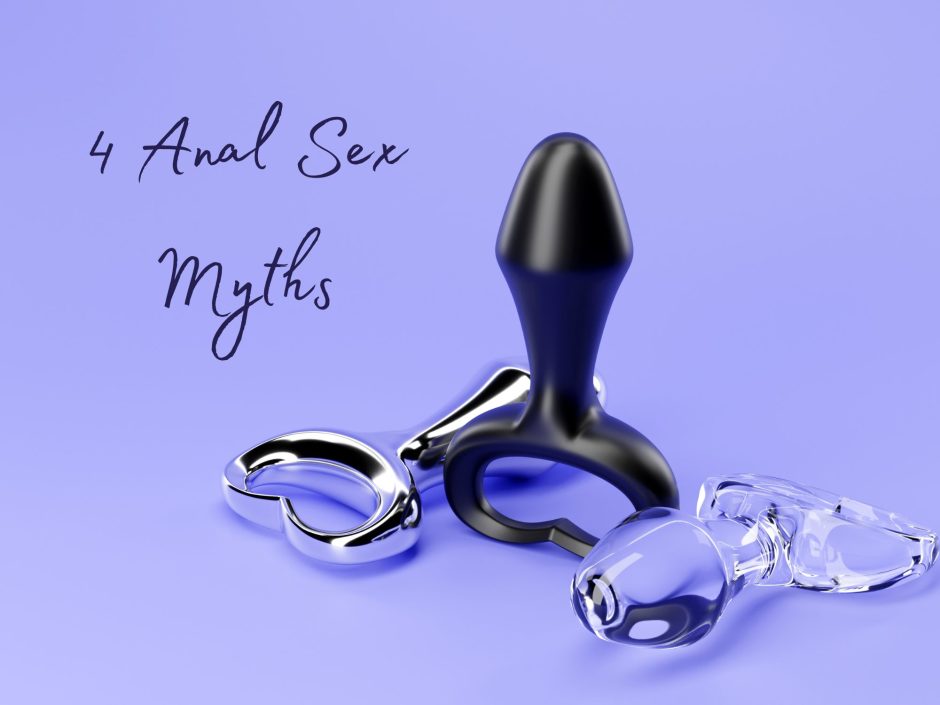
4 Anal Sex Myths You Should Stop Believing

Anal sex is probably one of the most misunderstood sex acts of all. It carries an allure for a lot of people, whether they want to be on the giving end or the receiving end or both. However, it also scares a lot of people. This is, in part, due to incorrect assumptions and beliefs. Anal sex myths can scare people off who might otherwise be interested in trying this type of play. They can also lead people to engage in dangerous behaviours or take unnecessary risks due to a lack of knowledge.

Here at C&K, we’re all about fact-based and non-stigmatising information. So let’s bust some anal sex myths, shall we?

Anal Sex Always Hurts

This is perhaps one of the most harmful anal sex myths, and actually likely leads to more avoidable pain and injuries. After all, if you think anal is supposed to hurt you’ll be more likely to push through pain, which can be dangerous. In fact, though anal can be intense and some mild discomfort can be normal, pain is your body’s way of telling you that something is wrong.

With proper lubrication, warm-up, enthusiastic consent, and communication with your partner, anal sex does not need to be – and should not be – painful. If something hurts it’s time to adjust, add more lube, or stop for now.

And by the way: those “numbing” or “desensitizing” lubes designed for anal sex? Avoid them at all costs. The ingredients in them can be harmful, they increase your risk of injury, and (frankly) if you have to numb your body to engage in a particular sex act, then you probably shouldn’t be doing that thing at all.

It Isn’t Pleasurable for the Bottom

This particular myth always strikes me as really sad, particularly when I see questions from people who are trying to grit their teeth and force themselves into anal sex they don’t want to please their partner.

Anal sex isn’t pleasurable for everyone and, if you don’t enjoy it, then you shouldn’t do it! However, if you do want to, it can be just as pleasurable for the bottom (the person being penetrated) as for the top (the person doing the penetrating.) Think about it: if anal sex wasn’t pleasurable for the receptive partner, why would anal sex toys such as butt plugs and prostate massagers be so popular?

One of the reasons that anal sex can feel so pleasurable for cis men and other people assigned male at birth is due to the prostate. Approximately the size and shape of a walnut, this gland is located just below the bladder and in front of the rectum. It is responsible for producing some of the fluid in semen and, when stimulated, it is incredibly sensitive.

However, anal sex isn’t all about the prostate, and can be just as pleasurable for receptive partners who do not have one. There are still tonnes of highly sensitive nerve endings in and around the butt, which can feel incredible. And, of course, it is located close to the genitals. According to a 2022 study on (cis) women’s experiences of anal pleasure: “[the anus] contains a dense network of sensory nerves that participate with the genitals in the engorgement, muscular tension and contractions of sexual arousal and orgasm.”

Yes, it’s even possible for some people to have an orgasm from anal sex without any direct stimulation of the genitals! Aren’t bodies awesome?

Anal Sex is Only For Gay Men (Or All Gay Men Have Anal Sex)

Wrong on both counts! Many of the most common anal sex myths centre on sexual orientation, from who engages in it to what it means about your sexuality if you do.

Firstly, anal sex is for anyone who wants to have it. We all have a butt, after all! Liking or not liking anal sex doesn’t imply a single thing about your sexuality. Your sexual orientation is about who you’re attracted to, not which acts you want to do.

Also, not all men who have sex with men (MSM) have anal sex. One 2011 survey of almost 25,000 gay and bisexual men in the US found that only 35% of respondents had had anal sex during their last sexual encounter. Some queer men do it regularly, some do it occasionally, and some never do it at all. All of this is completely normal and awesome.

You Can’t Get Pregnant, So Anal Sex is Safe Sex

It’s true, of course, that a person cannot become pregnant from anal sex, but the idea that this makes it safe is a myth. Like all forms of sex, anal has some risks.

In fact, when it comes to the transmission of STIs, unprotected anal sex is actually riskier than most other kinds of sexual activity including unprotected vaginal sex. However, it’s easy to mitigate this risk with a few basic precautions.

The best way to protect yourself and your partner(s) is to use a condom every time you have anal sex. If you choose to go barrier-free for anal – which I only recommend in the context of an ongoing relationship with someone you trust – make sure that both you and your partner(s) are having regular sexual health screenings.

You might also want to ask your healthcare provider if pre-exposure prophylaxis, or PrEP, is suitable for you. PrEP is a daily medication for people at risk of exposure to HIV, whether through sex or through drug use. According to the CDC, it reduces the risk of contracting HIV through sex by about 99% when used as directed.

FYI: this post was sponsored. All writing and views are, as always, entirely my own.

Sex Toy Companies That Don’t Use Gendered Marketing

Gendered marketing is one of my biggest bugbears in the adult space, and the vast majority of retailers do it. Everywhere you look, you’ll see sex toys categorised as “for men” or “for women.” But we should all know by now that body parts don’t define gender. Not everyone with a vulva is a woman, not everyone with a penis is a man, and myriad genders exist between and beyond those two binary options.

(If you think gender is binary or that physiology alone defines gender, then erm… you’re probably in the wrong place.)

And look, I even understand why adult retailers do this, up to a point. For many, it’s primarily an SEO concern. “Sex toys for men” gets almost half a million Google searches per month at the time of writing, while “sex toys for women” gets close to 100,000. “Sex toys for penis” and “sex toys for clit” get a relatively paltry ~5000 and ~500 searches, respectively (and “vulva” doesn’t even get a look-in, but that’s a rant for another day.)

Even so, though, continuing to aggressively gender sex toys contributes directly towards exclusion and inequality in an industry that is already… not great on those things a lot of the time.

With that in mind, I wanted to tell you about some of my favourite adult retailers and manufacturers that do not use gendered marketing.

SheVibe: Long-Standing Adult Retailers With a Broad Catalogue

I love SheVibe’s playful, comic book-inspired aesthetic, and I love their gender-neutral approach even more. Toys are categorised by type and body part, not by gender. So you’ll find categories like “vibrators”, “dildos”, and “penis toys”.

SheVibe has a huge and extensive product catalogue so whatever you’re looking for, you’ll find something for you here.

Godemiche: Beautiful, Colourful Silicone Toys for All Bodies

This small, UK-based adult retailer of colourful silicone sexiness categorises their toys by type (dildos, hump toys, masturbators, and so on) rather than by gender. The Grind Ring products (some of my all-time faves!), for example, are described as being for “anyone with a clitoris.”

If you’re looking for quality body-safe silicone sex toys in a bigger range of colours and blends than you’ve ever seen in your life, then look no further.

Arosum: New LGBTQ-Led Store Without Gendered Marketing

I’ve only recently started working with Arosum, and I’m a big fan. They categorise their toys by body part (vulva, penis, or anus) then sub-categorise them by type (“clitoris vibrators,” “masturbators,” etc.)

Arosum puts the LGBTQ+ community front and centre and designs their products with us in mind. It’s so refreshing to see diverse images of smiling queer people. Arosum’s blog content covers topics like the history of Pride and LGBTQ+ workplace discrimination.

The Pleasure Garden: My Favourite Inclusive Adult Retailers in the UK

The Pleasure Garden is a small business and the UK’s inclusive sex shop. They believe that everyone deserves pleasure and they only stock body-safe products. Products are categorised variably by type and by body part (“vibrators”, “cock and ball toys,” and so on.)

They even have a separate “gender expression” category filled with products designed specifically with trans and non-binary people in mind!

Stockroom: The Ultimate Destination for Kink Gear and More

Stockroom is actually primarily known as a BDSM gear supplier, but also offers an impressive array of sex toys in their catalogue. You’ll see wording like “cock and ball toys” rather than “toys for men.”

Annoyingly, some of their kink gear—most notably their extensive range of chastity devices and suction pumps—is categorised by gender rather than body part. For this reason, I debated whether or not to include them. But their sex toys, at least, are de-gendered.

FYI: this post contains affiliate links for the adult retailers mentioned.

What Does Inclusive Sex Toy Design for the LGBTQ+ Community Look Like?

I believe, and have believed since the first day I started working in this industry, that sex toys are for everyone. Unfortunately, sex toy design and marketing often fail to live up to this ideal. Toy retailers are often unintentionally exclusionary at best, and outright offensive at worst. But what does it actually look like to create and market inclusive sex toys? Today, in partnership with Arosum, I want to look at this question specifically through the lens of LGBTQ+ experiences.

No Sex Toy Design Will Suit Everyone

There are so many reasons I cringe when I see phrases like “best ever sex toy for women!” and “orgasm guaranteed!” in sex toy marketing copy. The main one, though, is that sex—and bodies—simply do not work that way. We’re all different. Our bodies, minds, and relationships have diverse needs. This means that it is absolutely impossible to design a sex toy that will work for everyone or to guarantee that a product will work for any particular individual.

With that in mind, let’s look at a few different ways that sex toy design can become more inclusive for the LGBTQ+ community. Hint: I love colourful Pride-themed things as much as anyone, but this issue is much more complicated than just slapping a rainbow on something during the month of June.

This post is by no means meant to be exhaustive, but includes some considerations for sex toy designers and makers who want to be LGBTQ+ inclusive to think about.

Inclusive Sex Toy Design for Diverse Bodies and Preferences

LGBTQ+ people’s bodies can look and function in a whole myriad of different ways, and inclusive sex toy design accounts for this beautiful variety. It is essential for inclusive sex toy design to not only consider but to centre trans, non-binary, and gender-diverse bodies.

Arosum has recently released two new products, the G-Snuggle and the LushVibe, that are specifically crafted for people with tighter or narrower vaginal canals. This might include trans women who have undergone gender confirmation surgery, some intersex people, and cis women, trans men and AFAB non-binary people who suffer from conditions such as vaginismus. Arosum has designed these toys with a slim design and a unique hooked tip shaped like a bean sprout that applies gentle pressure to the vaginal walls.

To be honest, even as a cis woman who simply prefers slimmer toys for penetration most of the time, I think I’d enjoy these products. It’s really nice to see companies breaking the “bigger is always better” narrative when it comes to toys. (The Arosum LushVibe, by the way, is also suitable for anal use.)

Toys that are useable when flaccid are also popular amongst some trans women and non-binary people who take estrogen, which can affect erections. I’m eternally disappointed that one of the best sex toy designs in this category, the Hot Octopuss Pulse, is marketed with the cringeworthily-gendered term “Guybrator.” Wand vibrators are another great gender-neutral option, because high-powered vibration feels awesome for most genitals.

Highly versatile toys, in general, are wonderful and there should be more of them.

Sex Toys and Gender

Sex toys can play a role in gender affirmation, too. Simply de-gendering your toys entirely is a step in the right direction and can help you to avoid inadvertently causing gender dysphoria.

There are even toys specifically designed with gender affirmation in mind. For example, there are strokers designed specifically for trans men and transmasculine people who have experienced bottom growth due to taking testosterone. And pack-and-plays allow wearers to both pack (create the look and feel of having a penis) and have sex with the same cock.

Toy Kits for Couples

Something that’s tremendously popular in the sex toy industry is bundles or kits for couples. Some of these sets include two toys, one for each person. Sometimes the two products will link up or work together in some way (such as through an app. Isn’t technology marvellous?) Others include multiple toys, kink and BDSM items, or a mix.

But these bundles are, with very few exceptions that you really have to go looking for, incredibly cisheteronormative in their marketing and design. I’d love to see LGBTQ+ toy manufacturers like Arosum designing sets and kits for couples with the same genitals… and for couples with different genitals but without the “his & hers” marketing.

Be Aware of Other Intersections for More Exclusive Sex Toy Design

Privilege and oppression exists as a huge and complex system of intersecting identities. This means that, when designing products with the LGBTQ+ community in mind, it’s important to consider other intersections of identity and experience as well.

For example, the sex toy industry has a huge and ongoing racism problem. “Historically, “flesh” dildos and vibrators were the color of Caucasian skin,” writes Hallie Lieberman. This is still a common occurrence and, when sex toy designs are available in other skin colours at all, companies often market them using problematic or even outright racist language. In the same article Shani Hart, CEO of the Hart’s Desires boutique in the D.C. area, calls out the “racist and derogatory” packaging and marketing copy that still appears far too often in this industry.

Disability inclusion matters, too, and it’s important to remember that disability doesn’t look just one way. Disabled writer, advocate, and sex worker Ruby Rousson writes that “Nearly every toy I’ve come across has not been designed with accessibility in mind. Whilst we’re slowly getting there, we’re not there yet.” Size, weight, shape, button size and placement, positioning, care and cleaning, and noise are just some of the factors you’ll need to consider when it comes to disability-friendly sex toy design. Even then, you should probably avoid claiming that your toy is “good for disabled people” without specifying what that actually means.

The Words and Images You Use Matter

Okay, this is a sex toy marketing issue rather than a sex toy design issue, but it’s all intricately connected. Think about the language and images you’re using when you market your toys. Are you using a lot of images of cisgender, heterosexual-presenting people and couples? If so, your LGBTQ+ audience is unlikely to see itself represented and will probably feel excluded by your marketing.

Are you using gendered language? If so, that should be the first thing to go. For example, not everyone with a vulva is a woman and not all women have vulvas, so marketing a clitoral vibrator as a “toy for women” is exclusionary and alienating.

Think about language around sexual orientation and gender identity, too. I advocate against categorising toys by sexuality because, well, inanimate objects don’t have sexual orientations. You might think it’s inclusive to categorise a strap-on, for example, as “for lesbians.” But people of a huge array of sexualities, genders, and relationship configurations can and do use these toys.

If In Doubt, Ask

Remember that, when designing and marketing products for the LGBTQ+ community, you should actually ask us for feedback! Even if you and your team are part of the community, you probably don’t have every single identity under the LGBTQ+ umbrella represented and your experience won’t be someone else’s experience. Always seek the direct input of the individuals and communities you’re looking to serve.

Thanks to Arosum for sponsoring this post on inclusive sex toy design. Check out Arosum’s range of products designed with LGBTQ+ people in mind! All writing and views are, as always, my own.